Is Becoming a Wound Care Nurse Practitioner Right for You?

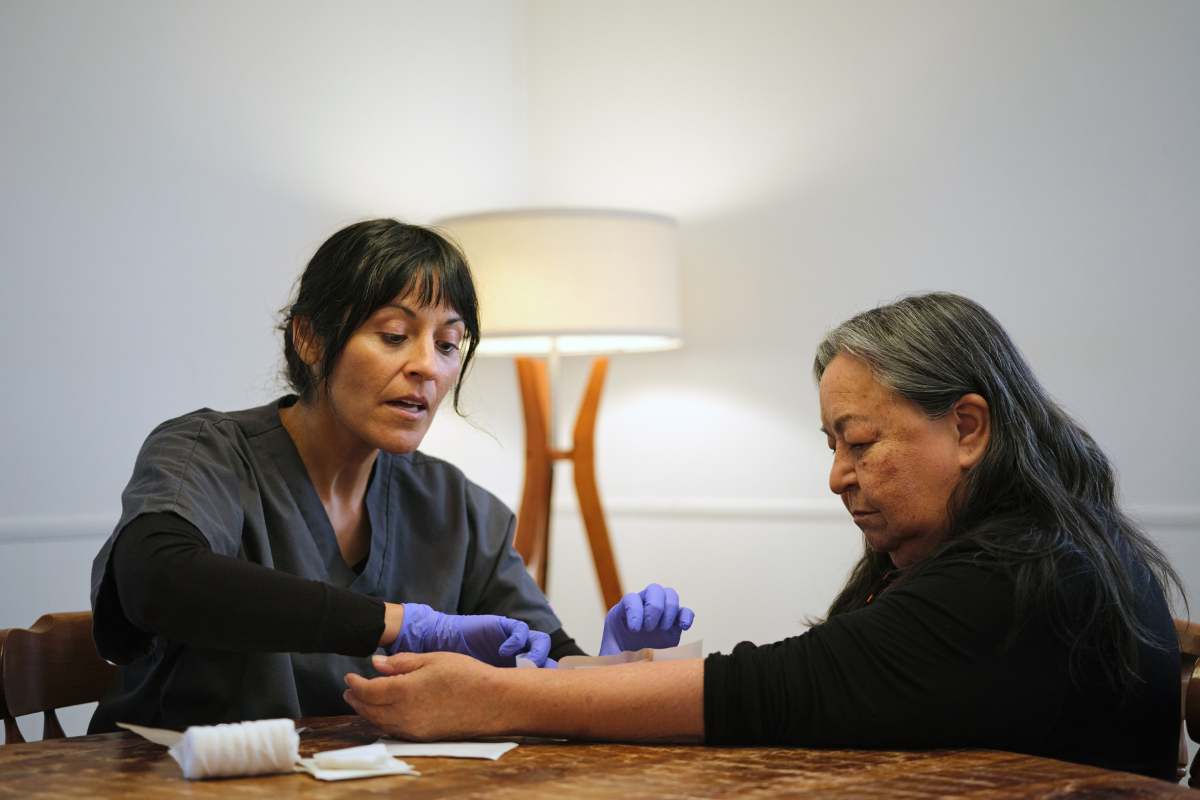
If you’re interested in skin physiology, becoming a wound care nurse practitioner (NP) might be a great fit. NPs in this position have the opportunity to gain long-term patient relationships, developing care plans for a variety of populations.
The skin is the largest organ in the human body, protecting the internal organs and regulating body temperature. Yet when the skin is damaged — whether through injury, surgery, or something else — breakages in this organ can risk infection and further complications.
Skin healing requires a delicate cascade of processes. While most wounds heal within a year, about 15% become chronic wounds, impacting patients’ social, mental, physical, and economic lives. Certain patients, such as those with diabetes, impaired circulation, and incontinence, may be at risk for delayed wound healing and worsening skin integrity. Wound care NPs treat these patients and help them access resources to achieve the best outcomes possible.
What Does a Wound Care NP Do?
A wound care NP is an advanced-practice nurse (APRN) who specializes in wound care and skin integrity. Nurse practitioners have an extended scope of practice, allowing them to prescribe, order tests, create medical care plans, and more. In this specialty, NPs tend to have the following responsibilities:
- Perform initial and continuing wound assessments.
- Prescribe wound care medications and regimens.
- Order laboratory testing and referrals, if necessary.
- Stay updated on new findings in wound care research and recommendations.
- Educate patients and families on wound care regimens and care plans.
- Perform procedures, including biopsies, incision and drainages, debridement, suturing, applying compression wraps, and more.
- Educate nurses and assistive staff in proper wound care practices.
- Collaborating with physicians and other staff.
- Document assessment findings, interventions, and care plans in the electronic health record (EHR).
Compared to the responsibilities of a wound care nurse, wound care NPs tend to focus on overseeing care. They may perform initial wound assessments and prescribe a wound care regimen, but RNs typically complete dressing changes and maintenance. However, this can differ depending on the care setting and staff environment.
Where Can Wound Care NPs Work?
This role offers great flexibility, because it’s highly specialized yet needed in a variety of care areas. See some of the settings where wound care NPs might work:
- Acute care units
- Long-term care settings
- Rehabilitation
- Home health agencies
- Wound care specialty clinics
- Surgical clinics
- Ambulatory care
What’s the schedule like in this role? Wound care NPs may work different schedules depending on their setting. For example, wound care clinics and ambulatory care centers tend to run on a Monday to Friday office schedule, but long-term care settings may require more weekend or evening coverage.
Wound Care Nurse Practitioner: Salary Expectations
On average, nurse practitioners earn $132,000 per year, but this varies based on several factors. Those who work in outpatient settings, such as wound care centers, earn an average of $143,600, while home health NPs average $130,410 per year.
Experienced NPs are likely to earn more, and location is another major factor in determining salary. If you’re curious about current roles in the areas with the highest NP salaries, check out opportunities in the following states:
To find out what you might earn, check out the latest wound care NP jobs in your location.
How to Become a Wound Care Nurse Practitioner: 4 Steps
It takes at least six years — and typically more than that — to complete the training and education requirements for this role. That’s because wound care NPs must be initially licensed as RNs and pursue advanced training to become nurse practitioners.
Step 1: Become an RN
To earn your RN license, you’ll need to complete a prelicensure nursing course. The shortest option, an Associate Degree in Nursing (ADN), is a great option if you want to begin working as soon as possible (in about two years). The four-year degree option is a Bachelor of Science in Nursing (BSN), which may be a better fit for students who want more career options down the road. NP schools may require a BSN in order to apply, but others offer bridge programs for ADN nurses.
After graduating from an accredited program, you’ll also need to apply for state licensure and pass the National Council Licensure Exam (NCLEX). This process typically includes submitting a background check, fingerprints, and final school transcripts. Learn more about preparing for the NCLEX.
Step 2: Gain Experience
Most NP schools require at least a year of RN experience, and often more. This initial practice time helps nurses transition from student to professional nurse, developing critical thinking, time management, and clinical skills. If you’re interested in wound care, consider roles in one or more of the following areas:
- Home health
- Med-surg
- Ambulatory care
- Wound care clinics
- Urology
- Gastrointestinal
Once you’ve gained some experience, you can deepen your wound care expertise (and strengthen your graduate school application) by pursuing a specialty certification. Consider one or more of the following wound care credentials for RNs:
- Certified Continence Care Nurse (CCCN)
- Certified Foot Care Nurse (CFCN)
- Certified Ostomy Care Nurse (COCN)
- Certified Wound Care Nurse (CWCN)
- Certified Wound Ostomy Continence Nurse (CWOCN)
- Certified Wound Specialist (CWS)
- Wound Care Certified (WCC)
Step 3: Earn Advanced Licensure
Once you meet the application requirements, it’s time to complete an advanced nursing education. NP programs typically take about two years, with a combination of classroom or remote courses and in-person clinical practicums.
Any of the following NP program types could be a good fit for a career in wound care:
- Adult-Gerontology Acute Care (AGACNP)
- Adult-Gerontology Primary Care (AGPCNP)
- Family Nurse Practitioner (FNP)
After graduating from a program, you’ll need to pass a national board exam that corresponds to one of the specialties above. This will allow you to register as a nurse practitioner in your state.
Step 4: Enter the NP Profession in Wound Care
Now that you have the credentials, it’s time to land your first NP roles. Wound care training for nurse practitioners starts in nursing school, but there’s also a considerable amount of on-the-job education. NPs may choose to pursue additional training in the form of an NP fellowship role.
As you’re updating your nurse practitioner resume, be sure to include your clinical rotations during school, as well as any leadership or professional development activities. Once you’re ready to apply, search for wound care NP jobs on our job board.
Step 5 (Optional): Pursue NP Wound Care Certification
Some roles, particularly those in wound care clinics, may require a wound care certification for nurse practitioners. This validates your expertise and helps standardize care quality. The Wound, Ostomy, and Continence Nursing Certification Board (WOCNCB) offers several entry-level certifications for wound care NPs:
- CWOCN-AP
- CWON-AP
- CWCN-AP
- CCCN-APSM
- COCN-AP
Wound Care Nurse Practitioner FAQ
Can a nurse practitioner open a wound care clinic?
In many states, yes. This depends on the practice authority granted to NPs in the state — some require physician oversight, while others allow NPs to practice independently.
Can a nurse practitioner debride a wound?
This depends on the practice scope defined by the state nursing act. Refer to your state nursing board for specific information about procedures that an NP can perform.
Do wound care nurse practitioners work 12-hour shifts?
Some do, particularly those in acute care, long-term care, and other settings where patients need round-the-clock medical assistance. In general, however, wound care services are non-emergent, so roles tend to revolve around an office schedule.
Find Great Roles for Nurse Practitioners
Whether you’re looking for roles as a wound care nurse practitioner or another nursing professional, we can help you find what you’re looking for. Our personalized job notifications send tailored roles directly to your inbox — no job board search required. Learn more today.