How to Become an ER Tech

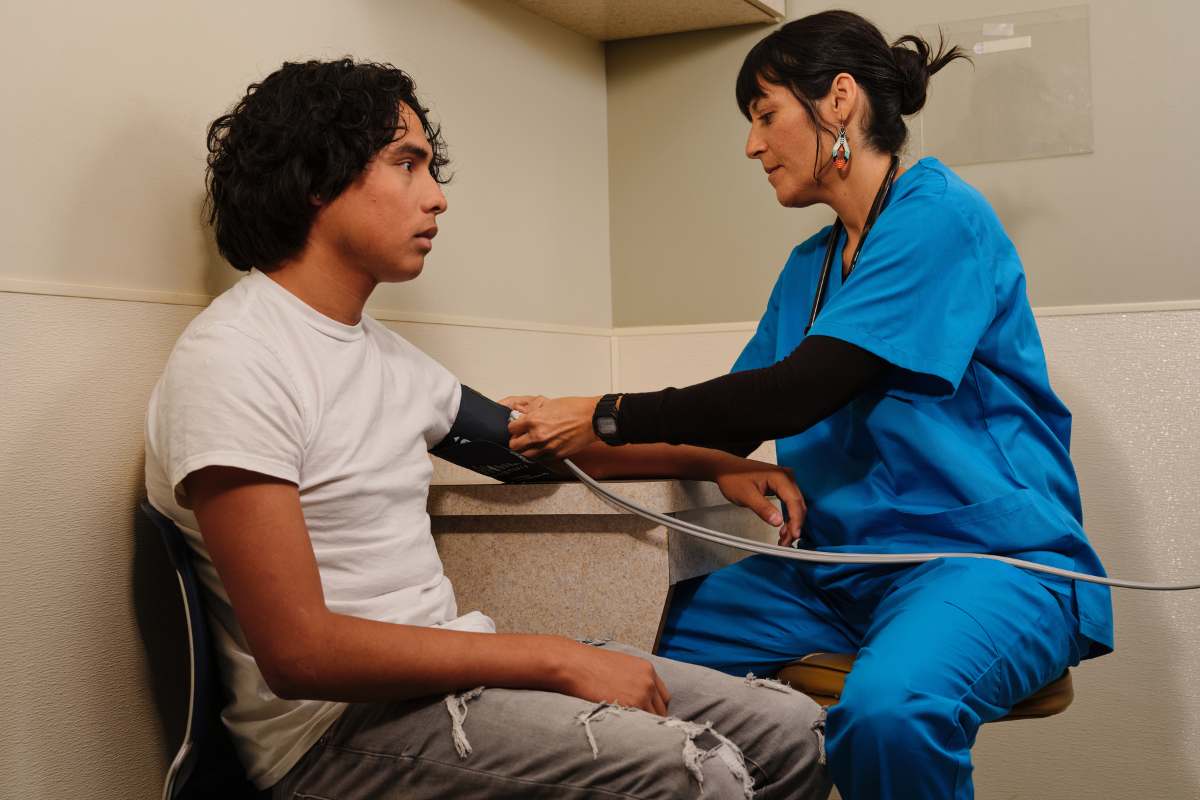
Want to be an essential member of the ER team without a degree? Learn how to become an ER tech (emergency room technician). These nonlicensed professionals help keep the ER running, and if you’re calm in high-pressure situations, you may be a good fit for this role. Find out more about the responsibilities of an emergency room tech, as well as the requirements to become one.
The emergency room (also known as the emergency department, or ED) is an area where patients are triaged, assessed, and treated for medical issues. As an ER technician, you’re likely to see any of the following conditions and medical problems (and many more):
- Motor vehicle accidents and injury-related trauma
- Myocardial infarction (heart attack)
- Stroke
- Diabetic ketoacidosis
- Sepsis
- Bone fractures
What Does an ER Tech Do?
ER techs help physicians, nurses, nurse practitioners, and other staff by completing basic care tasks. These include:
- Gathering vital signs and basic assessment information
- Transferring patients to the bathroom, testing areas, and between beds
- Providing basic assistance during catheterizations, intubations, and other interventions
- Drawing blood, gathering urine, and obtaining other patient material for lab testing
- Administering electrocardiogram (ECG) tests
- Gathering point-of-care (POC) blood glucose levels
- Managing supplies and re-stocking when appropriate
- Cleaning rooms, maintaining equipment, and ensuring treatment areas are ready for the next patient
- Providing comfort and support to patients and families
- Reporting changes and findings to the nursing staff and the medical team
- Documenting interventions and interactions in the electronic health record (EHR)
Essential ER Tech Skills
Certain qualities may make you a good fit for this role:
- Calm thinking under pressure
- Patience
- Multitasking
- Empathy
- Time management
- Resilience
How Much Do ER Techs Make?
The average annual ER tech salary is about $37,000, but this varies depending on location, experience, certifications, and other factors. You may be able to increase your earning potential by pursuing additional training, such as phlebotomy, ECG certification, and others.
How to Become an ER Tech: 3 Steps
How long does it take to become an ER tech? If you have a high school degree or GED, completing the ER tech requirements below may take a few months or less. The specific requirements for how to become an ER tech differ by facility, but you’ll find a general step-by-step process below.
Step 1: Research Local Requirements
First, check out ER tech jobs in your area, and scroll through the job requirements. Some roles have specific certifications, while others rely on on-the-job training, so you may not need to complete any additional steps to get started. Qualifications may include:
- High school diploma or GED
- Basic life support (BLS) certification
- Certified nursing assistant (CNA) credentials and/or experience
- Emergency medical technician training and/or experience
- Advanced cardiac life support (ACLS) certification
- Pediatric advanced life support (PALS) certification
- Phlebotomy certification
- EKG certification
Step 2: Complete Requirements
Once you’re clear on the training you’ll need, research programs where you can obtain these credentials. For example, BLS, ACLS, and PALS typically take a day or two and are offered at private training facilities and hospitals. CNA and EMT training are offered at many technical schools and community colleges, and typically take about three to four months to complete.
Some roles require hospital experience as a CNA before transitioning into the ER. Working in another specialty, such as med-surg, oncology, or another inpatient area, can help you gain confidence in working with patients, performing basic nursing tasks, and documentation. Learn more about CNA jobs across specialties.
Step 3: Apply for ER Tech Roles
Once you’ve completed the application requirements, it’s time to apply for ER technician jobs. Update your resume so that it reflects your experience, certifications, and skills. If you’re not sure what to include, refer to the job description and tailor your skills to the role. A cover letter is your opportunity to expand on why you’re interested in the job of an ER tech and why you’d be a great fit for the facility.
In addition to the job-specific requirements above, employers may also require:
- Background check
- References
- Vaccination reports
- Physical
- Clean drug screen
When it’s interview time, review common interview questions to prepare. Hiring managers are looking for ER techs who work well with a team and can go from one task to the next with flexibility. Emphasize skills such as time management and interprofessional collaboration, and prepare a few questions to ask of the interviewer.
Emergency Room Tech FAQ
ER tech vs. EMT: What’s the difference?
While the two roles may see the same patients and issues, they’re very different:
- Training: All EMTs need emergency response training, and while some ER techs have this education, it is not always required.
- Location: ER techs work in emergency departments in teams with nurses, physicians, and other staff. EMTs work out of an ambulance alongside paramedics.
- Responsibilities: ER techs play a supporting role and perform some skills under supervision, while EMTs work with more autonomy and responsibility.
Is an ER tech the same as a CNA?
They’re very similar: Both perform basic nursing tasks and assist staff in procedures. The role of an ER tech has more emphasis on emergent care and stabilization, with a rotating pool of patients. A CNA tends to have a set number of patients per shift with less daily turnover, and is more focused on hygiene and daily care.
Is an ER tech higher than a nurse?
No, a nurse has to complete more training and licensure requirements than an ER tech does. In many facilities, ER techs need no certifications in order to enter the job, while an entry-level nurse must have a nursing degree and a legal license to practice. As a result, nurses have a much broader scope of practice, more autonomy, and a higher average salary. Learn more about how to become an RN.
Find ER Tech Jobs
Now that you know how to become an ER tech, you might be curious about new jobs as they open up in your area. You don’t have to scroll through job boards every day to know when fresh opportunities become available. Sign up for personalized job notifications to let the roles come to you.