Overview of the Nola Pender Health Promotion Model


Whenever you’re teaching a patient how to care for their body, remember Nola Pender. Her Health Promotion Model (HPM), proposed in the early 1980s, highlights how individuals can be motivated to improve their own health. This model has influenced policy, research, and nursing education.
Who is Nola J. Pender? As a nurse educator and theorist, Pender is a nurse with doctoral degrees in psychology and education who has taught at Northern Illinois University, the University of Michigan, and several other institutions. She’s an active leader in research and speaking, and has been recognized as a Living Legend by the American Academy of Nursing.
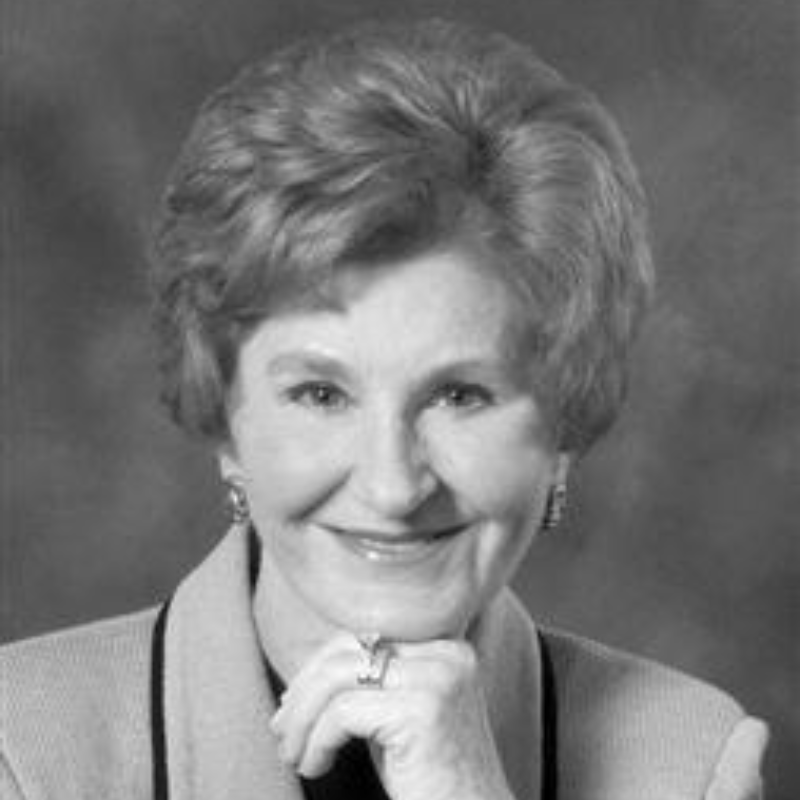
Nola Pender. Source: NurseKey
Understanding the Nola Pender Model
One of the foundational ideas in Pender’s model is the concept of self-efficacy, or an individual’s belief that they can succeed in a certain situation. For example, if you’re a nursing student, you have to believe in your ability to graduate in order to do so.
Pender believed that a patient’s health behaviors were influenced by the benefits they perceived, potential barriers, and their own self-efficacy. In other words, everyone’s life situation is unique, and this affects their ability to adopt healthy habits.
Pender developed this theory after noticing how reactionary the current medical model was. Patients would only receive education and treatment when they were already sick with acute or chronic health problems. She believed that health promotion could both improve quality of life and save money on costly treatments.
At the same time, Pender acknowledged that health behaviors are the result of unique and complex life situations. For example, a patient might have been told by their dermatologist to stay out of the sun, but if their primary income is from farming, they probably won’t be able to adhere to this recommendation. The next time you’re caring for a patient who has not adhered to their care plan, assess the reasons why rather than blaming the individual.
Pender’s HPM has five key concepts:
| Concept | Description |
|---|---|
| Person | An organism shaped by their environment, who seeks to create a safe space to reach their full potential. The relationship between persons and their environment is reciprocal. |
| Environment | The social, physical, and cultural context where life happens. Individuals can manipulate their environment to promote healthy behaviors. |
| Nursing | A profession in collaboration with persons, families, and communities whose goal is to create the best conditions for health and well-being. |
| Health | An evolving state requiring self-care that allows people to realize their potential in their relationships and personal goals. |
| Illnesses | Separate events throughout life that can hinder a person’s quest for health. These can be acute or chronic. |
Pender also listed seven assumptions in her theory, drawn from nursing and behavioral science:
- People seek optimal life conditions that allow them to express their full potential.
- People have the ability to reflect and build self-awareness by assessing their own knowledge level.
- People value positive growth and will attempt to achieve a balance between change and stability.
- People attempt to regulate their own behavior.
- People are biopsychosocially complex, and in interacting with the environment, they will transform it and also be transformed by it over time.
- Health professionals are part of the interpersonal environment, exerting influence on people throughout their lives.
- People have to take initiative to alter their behaviors in order to create lasting change.
Patients may be in different phases of modifying their behavior, such as pre-contemplation, contemplation, planning, action, or maintenance. It’s the nurse’s job to assess where the patient falls on this continuum and plan how to help them progress to the next phases.
Applying the Nola Pender Theory in Practice
Example 1: Primary Care
A nurse practitioner is seeing a patient and counseling them on exercise habits for cardiovascular health. The patient is also a registered nurse, so he struggles with finding time to exercise when he’s working 12-hour shifts. He also works nights, so it’s hard to find healthy meal options when the cafeteria is closed. Since he doesn’t yet know how to solve this problem, he is contemplating a change.
Understanding that work is a common barrier for healthy behaviors, the NP recommends the patient use a step counter to give himself credit for the exercise he’s already doing. She also recommends bringing a prepared lunch to work and meal prepping at the beginning of the week to make healthy food choices easier.
Example 2: School Health
A school nurse observes that many teens bring energy drinks to school. She pulls one of them aside and asks about this behavior, learning that one of the teachers is assigning a high homework load, forcing students to stay up late. The students are aware of the health risks of energy drinks, but they also need to complete their homework and stay awake at school, so they are in the pre-contemplation phase of health promotion.
Knowing that the students need to be invested in their own habits, the nurse holds an assembly to discuss sleep habits and healthy ways to feel energized throughout the day. The nurse also submits a request to school leadership that homework loads be capped daily, giving the students more time to rest during the night. By addressing habit promotion at the individual and system level, she helps the students have safer sleep habits.
Example 3: Maternal Health
A nurse midwife is counseling a newly pregnant patient on smoking cessation. The patient knows she needs to quit and plans to, but after having tried before, she has low confidence in her ability to do so. She lives with her partner, who also smokes, making cessation even harder to achieve. Since she already has a plan to quit, this patient is in the planning stage.
Taking a motivational approach, the nurse encourages the patient and says she believes in her. She also schedules a follow-up appointment to speak with both the patient and her partner about the effects of first- and second-hand smoke on fetal development. Lastly, the nurse connects them both with a peer support group to build community in their goal of smoking cessation.
Want More Nursing Theories?
Learn more about influential nursing theories and how you can apply them today in your practice. Check out our guides to theories from top nursing thinkers:
- Dorothea Orem
- Faye Abdellah
- Florence Nightingale
- Jean Watson
- Madeleine Leininger
- Patricia Benner
- Virginia Henderson
Promote Your Career Health
The nursing theory developed by Nola Pender guides nurses in promoting holistic self-care. Your situation is unique, and if your job isn’t fitting your needs, we can help you make a change. Find out more with personalized job notifications that alert you to great opportunities in your area.