Dermatology Nurse: Career Guide

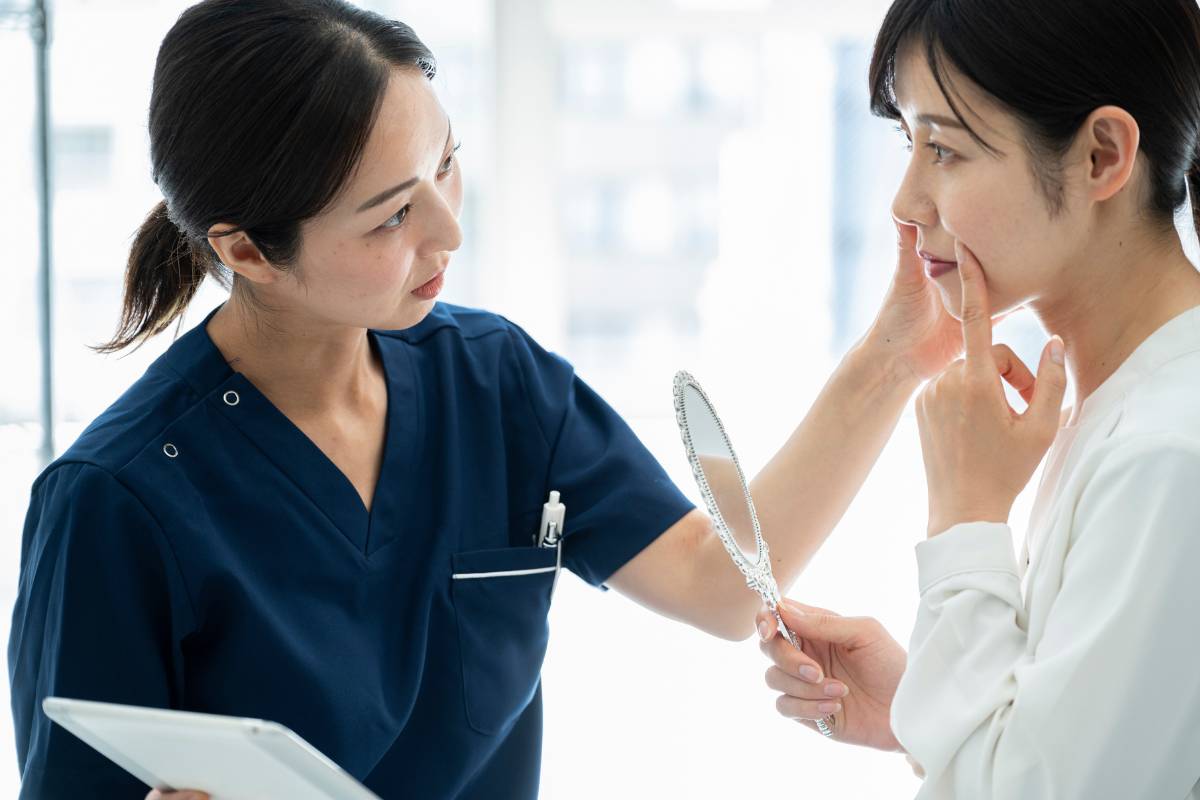
The skin is the largest organ in the body, and skin disorders are some of the most prevalent health issues: Over one in three people across the globe have some type of skin condition. A dermatology nurse helps evaluate, support, educate, and coordinate care for these patients. If you have a passion for helping people be healthy in their own skin, this could be a great career path for you.
Dermatology nurses work with patients who are dealing with a range of issues, including the following:
- Acne
- Autoimmune skin disorders
- Burns and chronic wounds
- Corrective and cosmetic procedures
- Cysts
- Dermatitis
- Eczema
- Hives
- Psoriasis
- Rosacea
- Skin cancer
- Skin infections
- Vitiligo
- Warts and skin tags
What Is a Derm Nurse and What Do They Do?
This specialty offers a mix of medical and cosmetic care, making it ideal for nurses who enjoy hands-on procedures and patient education. Here are some of the tasks you might do in a day, depending on the clinical area you work in:
- Assess patients’ skin, history, and complaints.
- Educate and counsel patients on skin care, treatment plans, and medications.
- Monitor wound healing and provide wound care for burns, ulcers, and post-procedural sites.
- Administer topical and injectable medications.
- Assist with excisions of cysts, moles, or skin cancer lesions.
- Prepare patients for laser treatments.
- Assist with Botox and dermal filler injections.
- Document patient progress and treatment responses in the electronic health record (EHR).
Dermatology nurses play a crucial role in skin health, working in areas like dermatology clinics, skin cancer treatment offices, and cosmetic surgery centers. They commonly work with an interdisciplinary team such as dermatologists, nurse practitioners, physician assistants, medical assistants, and more.
Wondering if you have the personality to become this type of nurse? Dermatology nurses need good people skills to put patients at ease. Patients with visible skin ailments may feel embarrassed or vulnerable, and nurses in this role need to understand therapeutic communication. You’ll also need a strong attention to detail, as slight changes in a patient’s skin could indicate complications or illness progression.
Dermatology Nurse Salary Averages
Dermatology nurses make about $85,000 per year on average. Most nurses in this role earn between $76,400 and $94,000. What you make as a nurse depends on several factors, including your employer, specialty, experience, any additional certifications, and your location. Check out our article on specialty certifications for information on credentials that could help boost your income.
If you’re open to a move, check out roles in the states with the highest incomes for registered nurses:
How to Become a Dermatology Nurse: 4 Steps
How long does it take to become a dermatology nurse? Going through the steps to become an RN takes at least two to four years because you’ll need either an associate’s or bachelor’s degree. See the steps below for a breakdown of how to enter this specialty.
Step 1: Nursing School
Dermatology nurse schooling is the same as any other nursing specialty. It begins with completing a prelicensure nursing program, either via a two-year Associate Degree in Nursing (ADN) or a four-year Bachelor of Science in Nursing (BSN).
While the ADN is the faster option, a BSN might be a better choice if you plan on specializing in dermatology. Over 80% of employers prefer to hire BSN-prepared nurses, so you may be a more competitive candidate with a BSN. Learn more about comparing ADN vs. BSN degrees.
Wondering what nursing school is like? Prelicensure nursing programs combine classroom learning with clinical rotations, to help you gain the knowledge and real-world skills required of nurses. Many schools also use simulation labs to help you run through situations and clinical scenarios using mannequins.
Step 2: Pass the NCLEX
Once you graduate, it’s time to apply for and take the National Council Licensure Exam for RNs (NCLEX-RN). This standardized exam assesses your readiness to practice nursing at the entry level and covers clinical judgment, safety, prioritization, and more.
The NCLEX is an adaptive exam, so you’ll have to answer between 75 and 145 questions. It includes multiple-choice, select all that apply, case study, and other question formats. And the newest version even gives partial credit for some questions. Learn more about preparing for the NCLEX.
Depending on your state, you’ll also need to go through an additional licensure application process before or after you take the exam. This typically includes paying a fee, providing your school and degree information, and submitting a background check.
Step 3: Gain Experience
Once you’re an RN, you’re ready to start taking care of patients. Dermatology can be a competitive nursing field, so it may be challenging to find a role as a new graduate. Many new nurses enter healthcare through a residency program. Typically offered in acute care medical centers and hospitals, residencies help you transition from student nurse to professional RN.
You might consider a residency in one of the following inpatient areas before transitioning into dermatology:
Step 4: Transition Into Dermatology Nursing and Gain Certification
Once you’ve added some experience to your resume, it’s time to start applying for dermatology nursing roles. If you’re looking for help with your applications, check out our guides on dermatology nurse resumes and dermatology nurse cover letters.
Once you gain experience as a derm nurse, you might consider pursuing additional training and certifications. Continuing education is a cornerstone of nursing professional development and can make you a better nurse.
The leading certification in this field is Dermatology Nurse Certified (DNC), offered by the Dermatology Nurses Association. To qualify, you’ll need to meet the following eligibility requirements:
- Current, unrestricted RN license
- At least 2 years of dermatology RN experience
Dermatology Nurse vs. Aesthetic Nurse: What’s the Difference?
While both of these nursing specialties focus on the skin, aesthetic nurses typically treat different populations and work in different clinical settings:
- Population: Derm nurses work with patients who have existing or potential medical skin issues. Aesthetic nurses work with clients who are pursuing cosmetic procedures, which may result from medical issues but are typically not medically necessary.
- Clinical setting: Derm nurses work in medical dermatology offices and surgical settings. Aesthetic nurses work in med spas, plastic surgery and laser offices, or other skin-enhancing clinical areas.
- Responsibilities: Derm nurses typically work to support and guide patients through medical treatment, while aesthetic nurses administer Botox, chemical filler, and laser treatments.
Find Nursing Roles
Looking for dermatology nurse jobs, or opportunities in other specialties? IntelyCare can help you find your next dream gig without hours of searching. Sign up for nursing job notifications to learn more.