Head-to-Toe Assessment: Nursing Guide


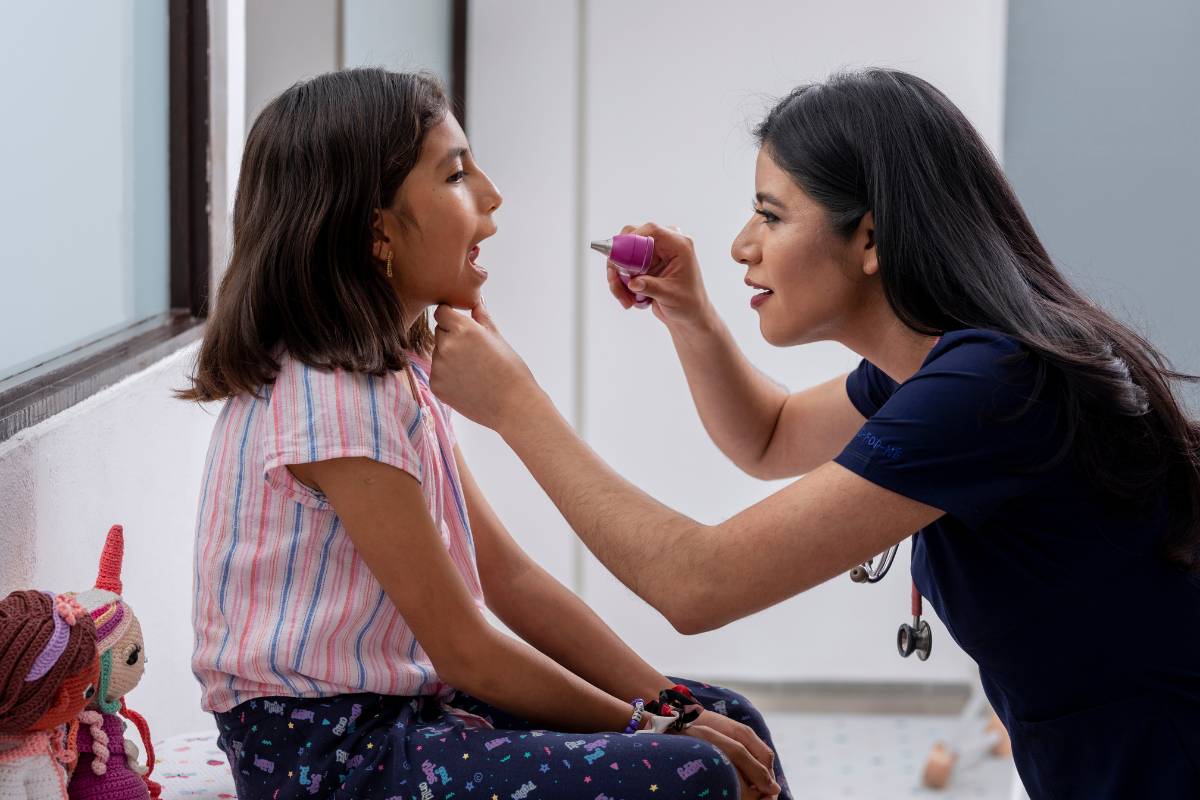
A head-to-toe assessment is one of the most fundamental — and powerful — tools in nursing. In today’s fast-paced world of healthcare, it’s easy to get caught up in the numbers — blood pressure readings, lab values, heart rates, and oxygen saturation levels. And while data plays a crucial role, what you see and sense matters just as much. The way a patient breathes, moves, speaks, or even looks at you can communicate the earliest signs of a problem — sometimes even before lab values catch up.
This head-to-toe assessment nursing guide is your resource for understanding the physical examination process. It covers essential equipment, examination techniques, the sequence of the head-to-toe assessment, and the key aspects to watch for.
What Is a Nursing Head-to-Toe Assessment?
A head-to-toe assessment nursing evaluation is a full-body examination of a patient’s physical condition, covering everything from — you guessed it — head to toe. This assessment is a routine component of nursing care, typically performed on admission, during every shift, and sometimes more frequently, to closely monitor a patient’s health status. It is considered one of the basic nursing skills you’ll use throughout your career.
The main goal is to quickly spot any shifts in a patient’s condition. By systematically evaluating the patient’s vital signs, skin, mobility, and various body systems — for example, using Tanner’s clinical judgment model or Gordon’s functional health patterns as a framework — nurses can identify concerns early and act before things escalate.
Head-to-Toe Nursing Assessment Types:
Not every health assessment in nursing looks the same — different situations call for different levels of detail and focus. Here are the main types of assessments nurses use in practice:
| Type of Assessment | Description |
|---|---|
| Initial nursing head-to-toe assessment | This is the most comprehensive assessment, covering all body systems and areas. It’s typically performed during admission to a healthcare facility for a very thorough health check. |
| Focused nursing head-to-toe assessment | This assessment concentrates on specific body systems or areas relevant to the patient’s condition. It’s commonly used for monitoring or addressing particular concerns. |
| Ongoing or partial assessment | This assessment is done regularly (often at the start of each shift) to monitor a patient’s status over time. Its goal is to compare current findings with the previous baseline. |
| Emergency assessment | This rapid assessment focuses on identifying and responding to immediate threats to life. It follows the ABCDE approach (Airway, Breathing, Circulation, Disability, Exposure) and helps prioritize life-saving interventions quickly. |
Head-to-Toe Assessment: Nursing Techniques
When you’re doing a head-to-toe assessment, it’s not just what you check — it’s how you check it. Inspecting, palpating, and listening can help you uncover the subtle clues a patient’s body reveals that tell you a story about what’s really going on beneath the surface.

The four techniques used to perform a head-to-toe assessment nursing procedure are:
| Assessment Technique | Description |
|---|---|
| Inspection | Use inspection to observe the patient’s general appearance, body movements, posture, hygiene, skin color, and any visible abnormalities (like rashes, wounds, or swelling). Example: Watching for signs of respiratory distress, such as nasal flaring, use of accessory muscles, or cyanosis. |
| Palpation | Use palpation to feel the body for texture, temperature, moisture, tenderness, or abnormalities like lumps or swelling. Example: Feeling for edema in the lower legs or checking skin turgor for hydration status. |
| Percussion | Use percussion to assess the underlying structures by tapping on the body surface. It helps evaluate the presence of air, fluid, or solid masses in areas like the lungs or abdomen. Example: A dull sound over lung fields might indicate fluid (as in pneumonia), while a resonant sound suggests normal, air-filled lungs. |
| Auscultation | Use auscultation to listen to body sounds — usually with a stethoscope. This includes heart tones, lung sounds, and bowel activity. Example: Listening for crackles or wheezes in the lungs, bowel sounds in all four abdominal quadrants, or heart murmurs. |
Head-to-Toe Assessment: Nursing Checklist
As you prepare to begin a health assessment in nursing, take a moment to collect all the vital nursing supplies needed to perform the examination. Below are essential items to include in your nursing head-to-toe assessment checklist:
- Tray
- Gloves
- Alcohol swabs
- Tongue depressor
- Stethoscope
- Thermometer
- Watch
- Penlight
- Notebook
- Pen
For focused assessment, you may also need additional equipment:
- Tuning fork
- Otoscope
- Ophthalmoscope
- Reflex hammer
- Toothpick
- Cotton ball
- Something for the patient to smell (such as coffee beans)
Once you’ve got the supplies, check the patient’s medical history. Knowing their conditions, medications, allergies, and recent tests will help you customize the assessment to their needs.
Next, wash your hands thoroughly, and make sure the patient is comfortable and knows what to expect during the assessment. Follow standard precautions in a head-to-toe physical assessment, as you always do when performing any nursing task.
Head-to-Toe Assessment: Nursing Guide
A standard head-to-toe assessment nursing process is organized in a logical sequence that ensures no system is overlooked. Here’s how to perform it, step by step:
1. Identify Your Patient
Start by knocking on the patient’s door, introducing yourself, and explaining the purpose of your visit — a nursing head-to-toe assessment. Ask your patient: “Is it alright if I do this procedure?” Obtaining patient consent is important. You cannot perform the assessment without the patient’s verbal agreement.
Verify the patient’s identity by checking their name and birthdate. Additionally, cross-check the information with the patient’s identification bracelet — does it match what the patient is saying? Once the patient’s identity is verified, place your tray of nursing supplies down and get ready to start the assessment.
2. Mental Status
As you step into the patient’s room, your mental status assessment begins. You can ask your patient the following questions:
- Can you please tell me where you are?
- What date is it today?
- When did you arrive here?
- What brought you here?
While they chat, keep an eye on how they look and act. Is their posture relaxed and upright? Do they move their body freely and smoothly? Are they dressed appropriately for their age, gender, the season, and the situation? Do they seem clean and well-groomed? Are they awake, alert, and oriented, or are they hard to arouse?
Watch their facial expressions, which should match the conversation. How does their speech sound? Is it clear and understandable or is it slurred? Check their mood and behavior — it should usually be appropriate, with the patient being cooperative.
Next, check their memory — recent and remote. To see how well they remember the past, ask things like when they moved to this city or which school they attended. For recent memory, ask them about today’s lunch. While they answer, you can quickly do the Glasgow Coma Scale, a brief neurological check.
Lastly, assess their thinking and judgment by asking how they feel about their treatment, their general mood today, and if they’ve had any thoughts of hurting themselves or others. Normally, their thoughts should make sense, be logical, and show good judgment.
Be on the lookout for suicidal ideation or thoughts of self-harm. A thorough head-to-toe assessment nursing approach can help identify not only physical symptoms but also potential signs of psychological distress or behavioral changes in a patient.
| Examples of Normal Findings | Examples of Abnormal Findings |
|---|---|
|
|
3. Head
The next step in your head-to-toe assessment nursing routine is evaluation of the head, addressing neurological status and cranial nerve function. Start by wearing your gloves because in this step, you’ll do more than just observe — you’ll also palpate.
- Head shape: Check the patient’s head and face. Is their head shape in proportion to their body?
- Hair: Is their hair evenly distributed, clean, and well-groomed?
- Skin: Examine their skin, which should be intact, and show no unusual colors, marks, or bumps.
- Symmetry: Look for symmetry in the eyebrows, eyes, nose, mouth corners, and jaw angle. There shouldn’t be any involuntary movements like twitching.
- Scalp: Gently feel the scalp and ask if there’s any pain. The scalp should be clean, without lumps, tenderness, or odd indentations.
Then, carefully assess the patient’s eyes, ears, nose, and mouth.
- Eyes: For the eyes, ask if they wear glasses and examine pupil shape and gaze movements. You might use a penlight or ophthalmoscope.
- Ears: When looking at the ears, ask about hearing aids and use a penlight. You could do a tuning fork test or whispering test based on your practice. Check for ear pain at the pinna, tragus, and mastoid process.
- Nose: For the nose, ensure the septum is midline, with no drainage, polyps, or foreign bodies, and that the mucous membranes are pink and moist. Check for nostril patency. Here you can also use your coffee beans to check the patient’s sense of smell.
- Mouth: Ask the patient about swallowing issues. Are they wearing dentures? Examine lips, gums, teeth, and use a tongue depressor to view the uvula. Have them stick their tongue out and move it around. Ask them to say ‘light, tight, dynamite’ to check cranial nerves.
| Examples of Normal Findings | Examples of Abnormal Findings |
|---|---|
|
|
4. Neck
The next step in your head-to-toe assessment nursing process is examination of the neck. Inspect for consistent color and ensure there’s no pallor, cyanosis, lesions, bruising, or masses. Check for jugular venous distention. Is the patient’s trachea in midline position? Is their thyroid gland visible? If visible, it’s not a good sign.
Then, palpate the carotid artery, one side at a time, ensuring a pulse rate between 60–100 bpm, with regular rhythm and normal intensity. It’s important to assess each side individually because pressing on both carotid arteries at once could cause your patient to faint.
| Examples of Normal Findings | Examples of Abnormal Findings |
|---|---|
|
|
5. Anterior Thorax
In this part of head-to-toe nursing assessment, begin by inspecting the chest and ensuring the patient’s breathing comfortably. Check for skin color and signs of distress, making sure there are no unusual colorations, moisture, or lesions. Also, assess the chest’s symmetry and look for a barrel chest.
Next, palpate five precordial points for tenderness and move on to auscultation for breath and heart sounds, using the diaphragm of the stethoscope. Examine various points, including aortic, pulmonic, Erb’s point, tricuspid, and mitral areas, listening for any irregularities.
Use your stethoscope to auscultate breath sounds and the bell to check for extra heart sounds in a z pattern. Normally, there should be no adventitious breath sounds, but normal heart sounds with no murmurs.
| Examples of Normal Findings | Examples of Abnormal Findings |
|---|---|
|
|
6. Breast
As part of the head-to-toe assessment nursing process, you must conduct a thorough breast examination. Start with inspecting the patient’s breasts for symmetry and skin health, and gently palpate the upper chest areas for tenderness, lumps, and masses.
This is also a great opportunity to educate your patients about the importance of monthly breast self-examinations. Remind your male patients that monthly breast checks are important for them, too.
| Examples of Normal Findings | Examples of Abnormal Findings |
|---|---|
|
|
7. Upper Extremities
In the upper extremities assessment, inspect the nails, checking their profile and nail bed color, and ensure good capillary refill. Then, examine the arms, looking for intact skin, even hair distribution, and normal skin color. Assess temperature, mobility, turgor, pain, tenderness, and skin texture. Check your patient’s sense of touch and pain with cotton balls and toothpicks.
Additionally, check for edema around the wrists and confirm a good radial pulse with the arms relaxed. Normally, no abnormalities should be noted on assessment.
| Examples of Normal Findings | Examples of Abnormal Findings |
|---|---|
|
|
8. Abdomen
For the abdominal assessment, begin by asking about the patient’s recent bowel movements and any related issues. Then, inspect the abdomen, checking for appropriate skin color, midline umbilicus, and a flat contour.
Moving on, auscultate the abdomen for bowel and vascular sounds, ensuring they are normal. Then, proceed to palpate for pain, tenderness, and masses in all quadrants. Finally, percuss the abdomen, confirming the presence of tympany throughout, which is a positive sign of good abdominal health.
| Examples of Normal Findings | Examples of Abnormal Findings |
|---|---|
|
|
9. Genitals
The head-to-toe assessment nursing approach includes a comprehensive genital examination: testicular and vaginal. This assessment involves inspecting for any abnormalities, including skin conditions, lesions, or signs of infection. Check for symmetry, ensuring that the genitalia appear normal and healthy. Additionally, ask about any discomfort, pain, or urinary issues that the patient may be experiencing.
This is a great time to teach your male patients about the importance of doing monthly testicular self-examinations. Instruct your patient to contact his doctor if he notices any pain, bumps, lumps, or masses when performing the exam.
| Examples of Normal Findings | Examples of Abnormal Findings |
|---|---|
|
|
10. Lower Extremities
When performing a nursing head-to-toe assessment, inspect the patient’s thighs, calves, and toes for intact skin, even color, and the absence of lesions, moisture, or edema. Hair should be evenly distributed, and skin should be well-groomed.
Check for temperature, moving from proximal to distal. Skin should feel warm to touch. Also, palpate for edema, focusing more around the ankles and ensuring no indentations are present. This assessment also includes evaluating mobility, turgor, and thickness, with good mobility and uniform thickness. Additionally, assess for pain, tenderness, and skin texture, ensuring they are normal.
Finally, check the dorsalis pedis pulse between the big toe and the middle toe, confirming regular rhythm, normal intensity, and symmetry.
| Examples of Normal Findings | Examples of Abnormal Findings |
|---|---|
|
|
11. Posterior Thorax
Next in performing your head-to-toe assessment nursing procedure is assessing the patient’s posterior thorax. Note the point of maximum impulse (PMI) on the left side, ensuring regular rhythm and normal intensity. Then, inspect the neck and back for skin conditions, ensuring it has no abnormalities.
For thoracic expansion, assess for symmetrical chest expansion at the T9-T10 level. Also check for vocal fremitus and palpate for pain, tenderness, masses, and crepitus, ensuring no issues are present. Finally, auscultate the lungs for clear breath sounds without any abnormalities.
| Examples of Normal Findings | Examples of Abnormal Findings |
|---|---|
|
|
12. Buttocks
In the buttocks assessment, inspect the area by separating the gluteal folds and examining the skin. Ensure that the skin is intact, with color consistent with the patient’s race, and with no signs of cyanosis, pallor, erythema, or any lesions or masses. After this assessment, ask the patient to return to the supine position.
| Examples of Normal Findings | Examples of Abnormal Findings |
|---|---|
|
|
13. Musculoskeletal Assessment
Here, evaluate the patient’s range of motion in the lower extremities. This includes tasks like bending toes upward (dorsiflexion) and bending them downward toward the bed (plantarflexion). Normally, the patient is able to make these movements in both legs. Here, you can also use your reflex hammer and assess a patient’s reflexes.
Next, ask the patient to stand up. Then, inspect and palpate your spine for alignment. The spine should exhibit normal curvature with no lordosis, kyphosis, or scoliosis. Your final step in the head-to-toe assessment nursing process is to assess the function of the patient’s joints, explaining and demonstrating each movement: flexion, extension, abduction, adduction, internal and external rotation, circumduction, elevation, and depression. Normally, a patient is able to perform all the movements.
| Examples of Normal Findings | Examples of Abnormal Findings |
|---|---|
|
|
Head-to-Toe Assessment: Nursing Documentation
Accurate and thorough head-to-toe assessment documentation is essential. You should record your findings in a clear, concise, and organized manner. This includes noting vital signs, patient history, and the systematic assessment of each body system.
Your head-to-toe assessment nursing notes should be objective, focusing on what was observed and avoiding personal opinions or assumptions. Documenting any abnormalities, changes in condition, or concerns is important for effective communication among the healthcare team.
If you are a visual learner, watch this head-to-toe assessment example video. Finally, create a checklist for yourself listing all the body systems you need to assess before entering the patient’s room. Using head-to-toe assessment nursing checklists can help ensure that no aspect of a patient’s health is overlooked.
Head-to-Toe Assessment: Nursing Q&A Guide
How long does it take to perform a head-to-toe assessment?
Nursing assessment may take 30–60 minutes depending on the patient’s condition. For patients with multiple chronic conditions or acute illnesses, the assessment may take longer as the nurse needs to assess each system more thoroughly.
When should the initial assessment be performed for a new admission?
According to the Joint Commission, the registered nurses (RN) must perform the nursing assessment within 24 hours after admission, as per hospital standards.
What role does physical assessment play in determining a diagnosis?
An assessment is a significant part of determining an accurate diagnosis. While medical history contributes about 70% to the diagnosis, the physical exam accounts for 15% to 20%, and diagnostic tests add 10% to 15%. This shows that while the physical exam is important, history and diagnostic tests play a significant role too.
Find a Nursing Job That Fits Your Goals
Whether you are a new nurse looking for a comprehensive head-to-toe assessment nursing guide, or an experienced nurse looking to brush up on your skills, we are here to propel your career forward. Find out how IntelyCare can match you with nursing jobs that align with your skills and values today.