5 Ways a Smart Hospital Bed Could Benefit Your Facility


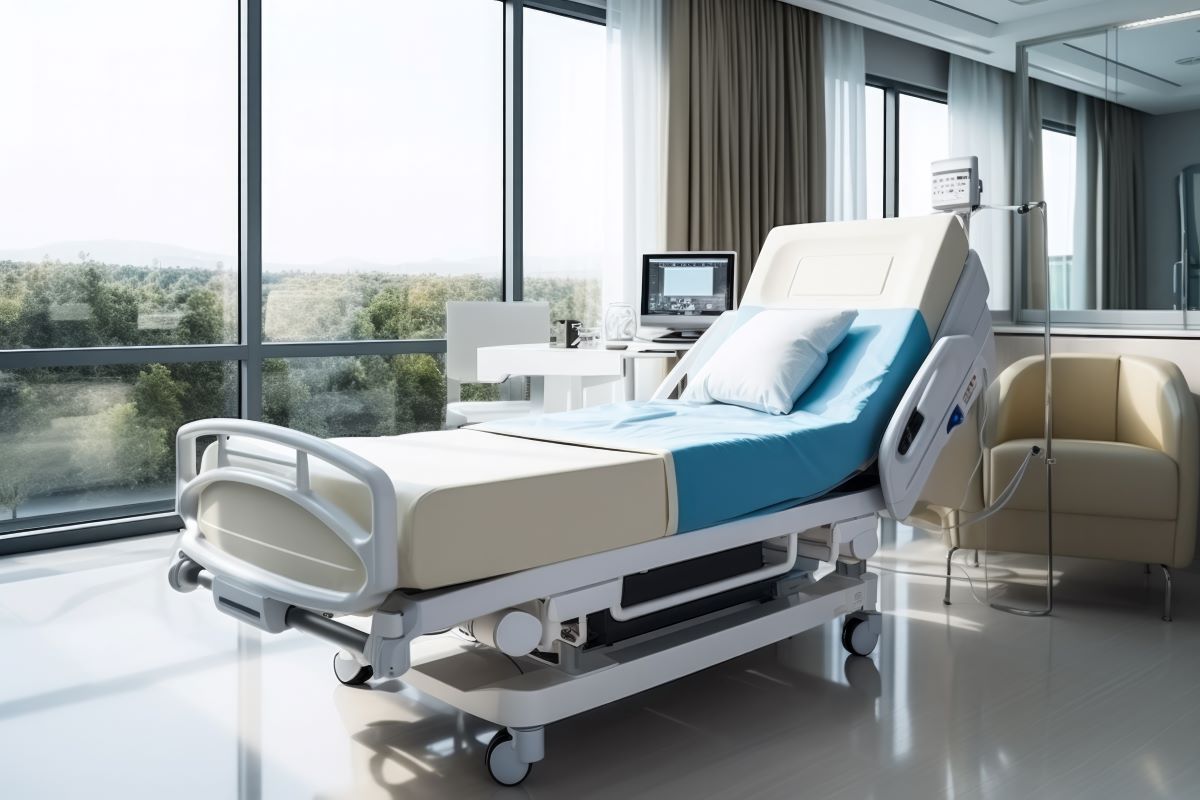
Technology advancements change the way healthcare facilities provide patient care. The growing push to automate low-value tasks extends all the way to bed positioning. By integrating computers into (now) smart hospital beds, patient comfort is optimized through a built-in system that can minimize the need for human intervention. This new, evolving technology has the capacity to do much more than raise the head of the bed, though. It can alleviate healthcare provider burdens, improve patient satisfaction, and boost health outcomes.
What can investing in current (and future) smart beds do for your facility? We’ll explain the details of this smart hospital patient bed technology and outline five ways it can benefit your patients and staff. Advancements may be changing the way healthcare tasks are accomplished, but the end goals remain largely the same: providing the best patient and staff experiences (and outcomes) possible.
Smart Hospital Beds vs. Electronic Beds: What’s the Difference?
When you think of traditional hospital beds, you might picture basic metal gurneys with thin mattresses and flimsy side rails. While most emergency departments and urgent care centers still use these gurneys, many acute care settings have transitioned to using computerized patient beds.
Well-known companies like Hill-Rom and Stryker have long been integrating electronic functions and services into basic hospital bed design. The industry has built on those early features (like automatic steering and push-button bed elevation), now offering smart (built-in computer) features including:
- Automated bed positioning.
- Embedded monitoring functions (including vital sign tracking).
- Data collection and transmission to electronic health records (EHRs).
- Patient-provider communication tools.
- Optimized safety features (like automatic lighting changes and patient fall precautions).
Electronic vs. Smart Patient Bed Example:
A simple, electronic hospital bed (remote controlled or via a button console) allows a nurse to get a patient’s morning weight without waking them (as long as the bed was properly zeroed prior to the patient getting in it). Once the nurse has clicked the button and seen the weight, they then enter that information into the patient’s EHR manually.
A smart hospital bed (like Baxter’s Centrella Smart+ Bed) takes the patient’s weight automatically after being initially programmed to do so. Once the weight’s established, the bed’s computer automatically delivers the information to the EHR for provider review.
5 Benefits of Smart Beds in Hospitals
You might be asking yourself, What’s the benefit of putting a patient in a hospital bed with smart technology? especially because new tech is typically associated with high upfront purchasing costs. Here are five clear advantages that optimize patient and staff wellness.
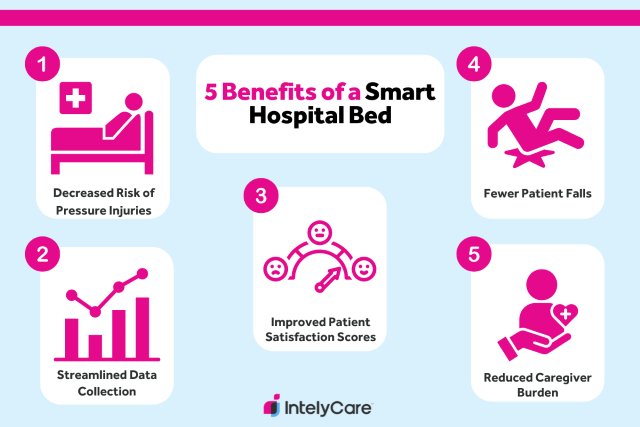
1. Decreased Risk of Pressure Injuries
Pressure injuries are a major complication in healthcare facilities. They’re common among elderly and critically ill patients, especially in intensive care units (ICUs) and nursing homes. A smart patient bed limits the frequency and severity of pressure injuries.
By improving under-patient air flow, these beds limit the constant humidity and pressure that often cause wounds. Additionally, many beds have a computerized tilting feature; this helps routinely turn patients off of bony prominences, reducing the risk of injury.
Pressure injuries and skin ulcers cost hospitals up to $70,000 per incident, and jeopardize Medicare and Medicaid reimbursement. Hospitals can save money and help their patients heal through the introduction of a computerized bed.
2. Streamlined Data Collection
Accurate and timely data collection is important in modern healthcare. Nurses and medical assistants are responsible for charting hundreds of vital signs during every 12-hour shift.
Some smart patient beds are equipped with sensors that allow contactless heart rate, respiratory rate, temperature, and body weight collection. Facilities can integrate the bed collection data into the EHR system, making it easy for nurses to document and review a patient’s health status.
3. Improved Patient Satisfaction Scores
Smart hospital beds can improve the patient experience. Patients often appreciate features like USB charging ports, remote control head adjustment, and integrated speakers. Helping patients feel a bit more at home is important for improving patient outcomes.
4. Fewer Patient Falls
Patient falls are devastating and raise red flags for regulatory agencies like The Joint Commission. Hospitals can reduce the chances of patient injury by introducing computerized beds with built-in alarm systems.
This fall alarm is often built into the mattress, making it easy to initiate in the case of patient delirium. Many of these alarms integrate into the patient call bell system, sending an alert to an overhead speaker or a nurse’s cell phone. By notifying staff members that a patient is trying to get out of bed, these bed alarms can save hospitals an average of $14,000 per fall.
5. Reduced Caregiver Burden
Features like automatic patient turning and weight redistribution mattresses help cut down on the physical labor associated with patient care. Nurses can stay healthy and strong with reduced muscle strain and back pain often experienced with heavy lifting.
Caregivers who work in facilities with smart beds are able to spend time tending to other needs like medication administration and patient teaching. Hospitals can help staff feel appreciated by being able to better prioritize their needs.
What Are the Disadvantages of Smart Beds In Hospitals?
Like most change efforts, there are drawbacks to introducing a smart patient bed into your facility.
Hospital bed costs start at about $500 for those manual, classic gurneys. Upgrading to electronic features like built-in steering raises the price to between $1,000 and $5,000. Smart hospital bed cost ranges from $10,000 to $40,000, which turns many smaller facilities or community hospitals away right from the start. Also, computerized beds tend to malfunction or break more often than traditional sturdy beds, making them sometimes difficult to use and expensive to repair.
One of the other issues of smart beds in hospitals is that patient-specific data like weight and temperature can be inaccurate. Features that were built to help nursing staff chart efficiently can sometimes malfunction and force nurses to reassess the patient to ensure accurate vital signs.
Smart hospital beds of the future can improve current bed technology and build features that optimize wellness and reduce redundancy for staff. With proper staff training and routine device maintenance, the disadvantages of these beds can be minimized.
Want to Learn How to Make the Most of the Equipment You Have?
Introducing a smart hospital bed to your facility is just one way you can improve health outcomes. For more cost-effective strategies, our facility guides and best recommendations can help you innovate with the resources and equipment you already have.