Nurses to Know: Luther Christman

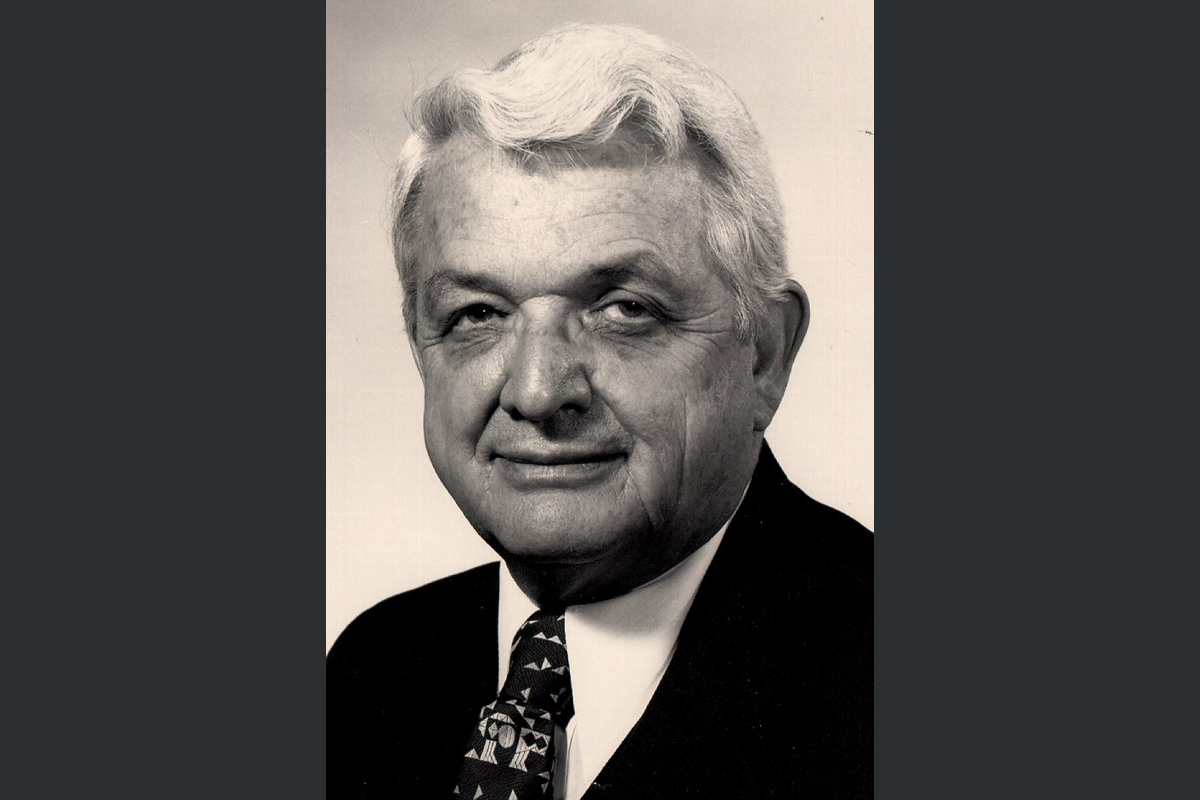
A champion for male nurses, Luther Christman helped develop the American Association for Men in Nursing (AAMN). But what did Luther Christman do in addition to that? He was also a dedicated educator, having started the nursing school at Rush University and serving as the school’s dean for many years. He is remembered as a maverick in the profession, and his impacts continue today. Let’s explore Christman’s life and legacy.
Dr. Luther Christman: Contributions to Nursing
Education and entry into Nursing
Christman was born in Pennsylvania in 1915, and in 1939, he earned a nursing diploma from the Pennsylvania Hospital School of Nursing for Men. At this time, nursing in the United States was overwhelmingly defined as women’s work. Christman was denied a maternity clinical rotation, and two university nursing programs denied his application because of his gender. After graduating, some of the only positions available to him were on the night shift in urology and psychiatric nursing.
During World War II, Christman served with the U.S. Maritime Service as a pharmacist’s mate after being refused from the Army Nurse Corps. But despite these barriers, after the war, he went on to earn an undergraduate degree from Temple University and a Ed.M in clinical psychology from Philadelphia Psychoanalytic Institute.
As a young nurse, Christman showed strong academic ability and an aptitude for teaching and leadership. He pursued advanced education at a time when few nurses — men or women — were encouraged to do so, earning graduate degrees that prepared him for leadership in nursing education.
Following graduation, he directed nursing at Yankton State Hospital in South Dakota before working for the Michigan Department of Mental Health. He earned a Ph.D. from Michigan State University and soon began coordinating hospital training programs for nurses across Michigan. In 1963, he became an associate nursing professor at the University of Michigan.
Nursing Education and Leadership
Christman was deeply involved in nursing education, where he focused on curriculum development, faculty leadership, and professional standards. He became known for advocating for rigorous university-based nursing education rather than hospital-only training models. These efforts put him among other leaders pushing for professionalism in the mid-20th century.
One of Christman’s most notable academic roles came when he was appointed dean of the nursing school at Vanderbilt, as well as nursing director at Vanderbilt Hospital. He was the first man to become a nursing dean in the United States, and nurtured other minorities in nursing by promoting the first African-American women faculty members at the school.
His leadership roles allowed him to influence conversations about workforce development, nursing shortages, and the future of nursing education in the United States. He believed that systemic change was necessary to ease the nursing shortage and that professionalization was an essential strategy. At the same time, he deeply believed in the value of bedside nursing and in the nurse as a patient-facing clinician rather than care manager.
Christman was an early champion of advanced practice nursing, in particular the clinical nurse specialist role. He imagined this professional as both a medical and managerial leader on nursing units, overseeing patient care as administered by generalist nurses, and delegating administrative tasks to non-nursing personnel. At a time when nursing autonomy was limited, Christman’s thinking pushed the profession toward a broader, more influential role in healthcare delivery.
Later Career and Advocacy
Soon after Rush University was established in 1972, Christman was chosen to be the founding dean of the College of Nursing and vice president of nursing affairs at Rush-Presbyterian-St. Luke’s Medical Center. This was his second joint appointment, creating a unifying bridge between academic nursing education and hospital-based practice.
During his time there, Christman was integral in developing the Rush Model for Nursing, which combined clinical and academic learning. His ideas, often controversial, formed the foundation for Rush’s reputation as a forward-thinking and innovative nursing institution. He urged nursing school faculty to pursue advanced degrees and doctoral education, which are now typical job requirements for academic nursing educators.
In 1980, Christman was asked to assist in developing in another organization: The National Male Nurses Association. The group, which already had up to 2,300 members nationally, was struggling after its founder departed. Under Christman’s leadership, the organization expanded, with new chapters formed in New York, California, Ohio, Wisconsin, and more.
The organization then adopted new goals. One of these was to encourage men and young men to grow professionally, demonstrating and increasing the contributions of men in the nursing profession. The organization continues to uphold this goal today, as the AAMN.
Throughout his 65-year nursing career, Christman consulted with nursing schools, healthcare agencies, and professional organizations. He published and spoke widely on the need for inclusive nursing leadership and the importance of removing structural barriers within the profession. His work emphasized that nursing’s strength depended on its ability to reflect the populations it served.
Christman retired from Rush in 1987 but remained a visible and respected figure in nursing circles for the rest of his life and beyond. He received two Sigma Theta Tau awards, the American Academy of Nursing Living Legend award, and was inducted into the American Nurses Association Hall of Fame posthumously. Numerous scholarships and awards continue in his name. He died on June 7, 2011.
Luther Christman’s Impact
Christman’s legacy endures in the institutions he helped shape, the organizations he supported, and the generations of male nurses who followed paths once closed to them. Debunking nurse stereotypes, his life’s work challenged narrow definitions of who belongs in nursing and what nurses can become. He viewed gender diversity not as a niche issue, but as essential to the profession’s growth and credibility.
Christman’s colleagues remember him with reverence: The dedication of Men in Nursing reads, “… one individual stands above the rest for his unending advocacy for men in nursing and for his vision in strengthening nursing as a profession: Luther Christman, PhD, RN, FAAN.” Today, his legacy continues not only as a trailblazer for men in nursing, but also as a visionary leader who pushed the profession toward greater inclusivity, academic rigor, and leadership at every level.
Check Out These Other Nurse Innovators
- Walt Whitman
- Clara Barton
- Edith Cavell
- Harriet Tubman
- Dorothea Dix
- Linda Richards
- Madeleine Leininger
- Lucy Higgs Nichols
- Mabel Keaton Staupers
- Mary Seacole
- Ruby Bradley
- Susie King Taylor
Get Inspired in a New Role
If reading about Luther Christman makes you feel excited to improve the nursing profession, we can help you find your next opportunity, whether you’re a bedside nurse, educator, researcher, or another nursing professional. Learn more with our personalized nursing job notifications.