Nurses to Know: Dr. Loretta Ford, Co-creator of the Nurse Practitioner Role

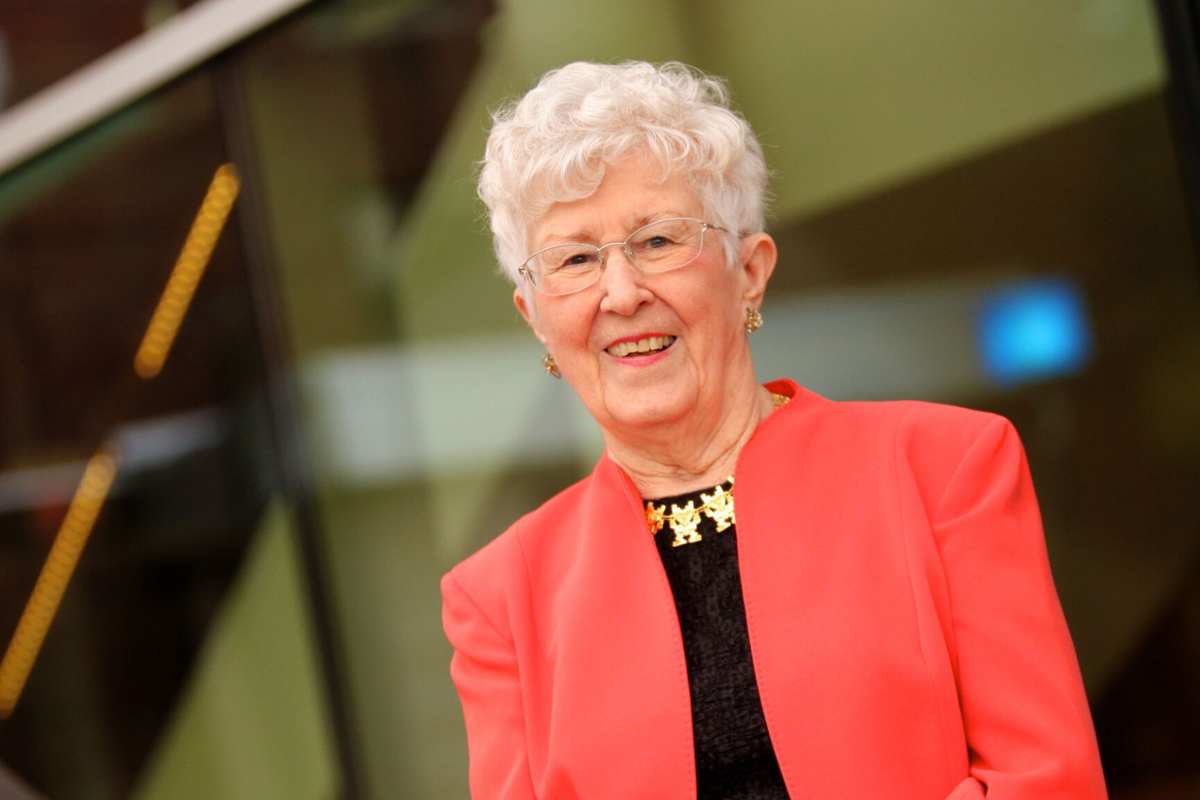
What did Loretta Ford do? You can thank Dr. Loretta Ford for the nurse practitioner role, as she helped lay the foundation for NP education in the 1960s. But there’s much more to learn from her legendary career. Read up on Ford’s life and legacy as a nurse trailblazer.
The Life of Loretta C. Ford
Early Career
Ford was born in the Bronx as Loretta Pfingstel in 1920. At 16, she left school to work as a nurse’s aide and earned her license as a registered nurse in 1941. She was working at Middlesex General Hospital in New Jersey when her fiancé was killed during World War II. The loss inspired her to join the United States Air Force in 1942, serving as a nurse in military base hospitals in Maine and Florida.
Upon her return from service, she married William Ford in 1947 and completed her BSN degree from Colorado University, then obtained a doctorate in nursing education in 1951. Primarily working in pediatric public health in rural Colorado, Loretta Ford noticed how underserved rural communities were. She believed that nurses had the power to do more for patients, but they needed additional training to do so.
Building the Nurse Practitioner Role
In 1965, Ford made her dreams for the nursing profession a reality. She partnered with Dr. Henry Silver to form the first pediatric nurse practitioner training program, with a single first student named Susan G. Stearly. The program focused on patient education, preventative care, and holistic medicine. Dr. Silver would go on to form the first physician assistant (PA) training program three years later.
Ford and Silver had a specific vision for the NP role: Certified NPs would give comprehensive well-child care, working in collaboration with physicians and other professionals. This wasn’t a new concept, but was rooted in the roles of visiting nurses of the 20th century, the Indian Health Services, and the Frontier Nursing Service (founded by nurse midwife Mary Breckinridge), which all emphasized an expanded nurse role to fill gaps in rural care.
The NP role was initially questioned by professionals from both medicine and nursing. Physicians in rural communities generally welcomed the help of an NP, but the medical establishment was more guarded. In some nursing schools, faculty recommended the role of a clinical nurse specialist over that of an NP, arguing that nurse practitioners were working as “junior” doctors.
The U.S. Health, Education, and Welfare Department conducted a formal committee review on the NP role in the early 1970s and concluded that in order to provide equal access to care, the role of nurses needed to be extended. By 1973, there were more than 65 NP programs in the U.S., and today, a quarter of all health visits are performed by a PA or NP. (Check out our article on facts about nurse practitioners to learn more.)
Later Career and Awards
In 1972, Ford became the first Dean of the University of Rochester School of Nursing. Here, she developed the Unification Model of nurse training. This included teaching, research, and practice. She was also the Director of Nursing at the University’s Strong Memorial Hospital, while still caring for patients and teaching in the classroom.
Dr. Ford was a visiting professor at schools in Japan, Washington, and Florida, and lectured across the world. She was a frequent guest at nursing conventions and conferences, often dressing up in Superwoman or Fairy Godmother costumes. She mentored and taught thousands of nurses, advocating and believing in the nursing profession as a whole.
Ford’s list of career achievements is long. She was an inaugural member of the Fellows of the American Association of NPs (FAANP), and authored over 100 publications during her lifetime. She received the Gustav O. Lienhard Award from the National Academy of Medicine, and the Living Legend Award from the American Academy of Nursing. Ford was also inducted into the National Women’s Hall of Fame at 91 and received the Surgeon General’s Medallion at 100 years old.
Loretta C. Ford died in her home in Florida in early 2025, at the age of 104.
What Can Nurses Learn From Loretta Ford?
Ford once said, “I think if you care deeply, you’re willing to stick your neck out.” Thinking outside the box led Ford to change the nursing profession forever, despite doubts from others in the healthcare world. She was a tireless advocate for the advancement of the nursing profession and patients.
Ford was forward-thinking, but also practical and pragmatic. She didn’t believe in the NP as a siloed professional; she was deeply passionate about collaboration between clinicians. She emphasized that an NPs role is to bring health care teams together to give the best care possible.
She was also clear that NPs are not meant to substitute for physicians. Her vision was for NPs “not to be mini doctors [but] maxi nurses.” She was deeply connected to her roots, and also said, “Don’t forget that you are a nurse. Don’t forget the human interaction, that’s what helps people.” While her dreams were lofty, her care was grounded in a humble goal of helping others. Nurses today can learn from her tenacity, innovative thinking, and passion.
Learn More About Nurse Leaders
Want to get inspired by other nurses who have changed the profession? Check out our articles on these famous nurse pioneers:
- Linda Richards
- Susie King Taylor
- Lillian Wald
- Dr. Ildaura Murillo-Rohde
- Mary Seacole
- Susie Walking Bear Yellowtail
- Clara Barton
- Walt Whitman
- Edith Cavell
- Betty Neuman
- Patricia Benner
- Florence Nightingale
Looking for Advanced Practice Nursing Roles?
Loretta Ford helped shape the nursing profession, and your work helps shape patient care. To learn about new opportunities in your area, sign up for nursing job notifications that alert you when roles open up that meet your criteria.
Image source: University of Rochester