Ida Jean Orlando Nursing Process Theory Explainer


The Ida Jean Orlando nursing process is a dynamic, patient-oriented, and evidence-based system of care. She believed that the nurse-patient relationship was critical for healing and that nurses had an independent, central role in patient care.
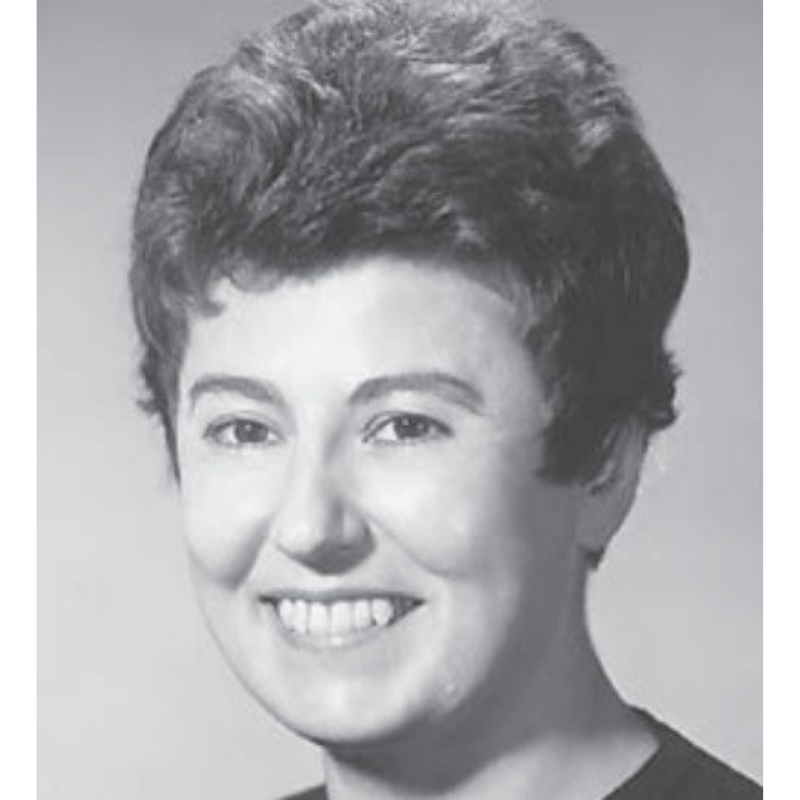
Ida Jean Orlando. Source: Miami Dade College
Ida Jean Orlando: Biography
Orlando was born into a family of Italian immigrants in New York in 1926. After growing up during the Great Depression, she earned degrees in nursing, public health, and mental health.
As a nurse, she cared for patients in a variety of specialties, including the emergency room and obstetrics. A prominent nurse educator and researcher, she taught and studied nursing at Yale and Boston University.
Her first book, The Dynamic Nurse-Patient Relationship, culminated her observations between nursing students and patients and would become the foundation of her Nursing Process Theory. Her second book, The Discipline and Teaching of Nursing Process, was published in 1972 and continued to refine her original theory on the nurse-patient relationship. In 2006, she received the Living Legends honor from the Massachusetts chapter of the American Nurses Association (ANA).
Breaking Down Orlando’s Nursing Process Theory
Orlando’s theory was published in 1961 and is also called the Deliberative Nursing Process theory. It can be explained in three parts:
- Patient behavior: Nurses must assess the patient’s nonverbal and verbal behavior, as well as their ability to communicate what is wrong.
- Nurse reaction: A nurse’s response to patients is informed by their understanding of patient behavior.
- Nurse action: At the beginning of the nursing process, the nurse takes a series of steps, beginning with observation and assessment.
Orlando’s theory highlights the essential interplay between professional nurses and patients. In the initial stages of her process, the nurse observes the patient, sharing his or her thoughts about the assessment findings with the patient. The patient may either confirm or deny the nurse’s point of view, and the nurse weighs this input alongside their professional judgment.
In addition, Orlando helped define what “good” and “bad” nursing is by evaluating thousands of nursing interactions and asking nurses to evaluate them. “Good” care is characterized by recognizing and alleviating a patient’s distress, while “bad” care tends to prescribe a predetermined treatment, disregarding a patient’s true needs. This focus on the patient as a person formed the basis for the person-centered care models seen today.
An early pioneer of nursing autonomy, Orlando positioned nurses as independent clinicians acting in the interest of the patient, rather than as assistants to physicians. In her educational programs, she emphasized the importance of interpersonal skills alongside clinical decision-making.
Ida Jean Orlando Theory Application
How can you apply Orlando’s theory on your next shift? You’re probably already doing so. According to her theory, a good nurse listens to patients’ concerns and prioritizes care around the most immediate problems. When you practice with empathy and critical thinking, you’re emulating Orlando’s process theory.
Example 1: Med-Surg
A post-op patient becomes restless and repeatedly presses the call light. The med-surg nurse first interprets this as pain, but instead of assuming, she asks the patient what’s wrong. The patient explains that he feels anxious because he’s forgotten how to use his patient-controlled analgesia pump.
The nurse takes time to explain and demonstrate its use, which eases the patient’s anxiety. In this example, the nurse uses Orlando’s process — observing the patient’s behavior, validating her assumption, and acting deliberately to meet the patient’s real need.
Example 2: Emergency Department
A teenager arrives in the ER after a car accident and is uncooperative during triage. The nurse notes the patient’s behavior but pauses to explore the underlying cause rather than labeling it as defiance. When she gently asks if he’s scared or in pain, he admits he’s worried about his friend, who was also in the car.
The nurse reassures the patient and, after asking the other patient for permission, gives him an update on the status of his friend. His cooperation improves immediately. This shows the nurse recognizing that emotional distress, not just physical injury, can drive patient behavior.
Example 3: Long-Term Care
A resident in a long-term care facility has become increasingly confused and agitated over the last few days. The nurse notices that his urine output has been low and checks his temperature to find he is running a fever.
During a period of lucidity, she asks the patient whether he is having painful urination, and he confirms this. Suspecting a urinary tract infection, the nurse calls the facility’s medical provider and requests antibiotics. Here, the nurse’s careful assessment and validation of the cause of distress demonstrate patient-centered, responsive care.
Explore Nursing Jobs on IntelyCare
Ida Jean Orlando worked in several nursing specialties and roles during her career. If you’re ready to change your current role, we can help. IntelyCare has thousands of job listings for nursing professionals across the country. Learn about our personalized job notifications that let you know when opportunities arise in your area.