How to Become a Nurse Scientist

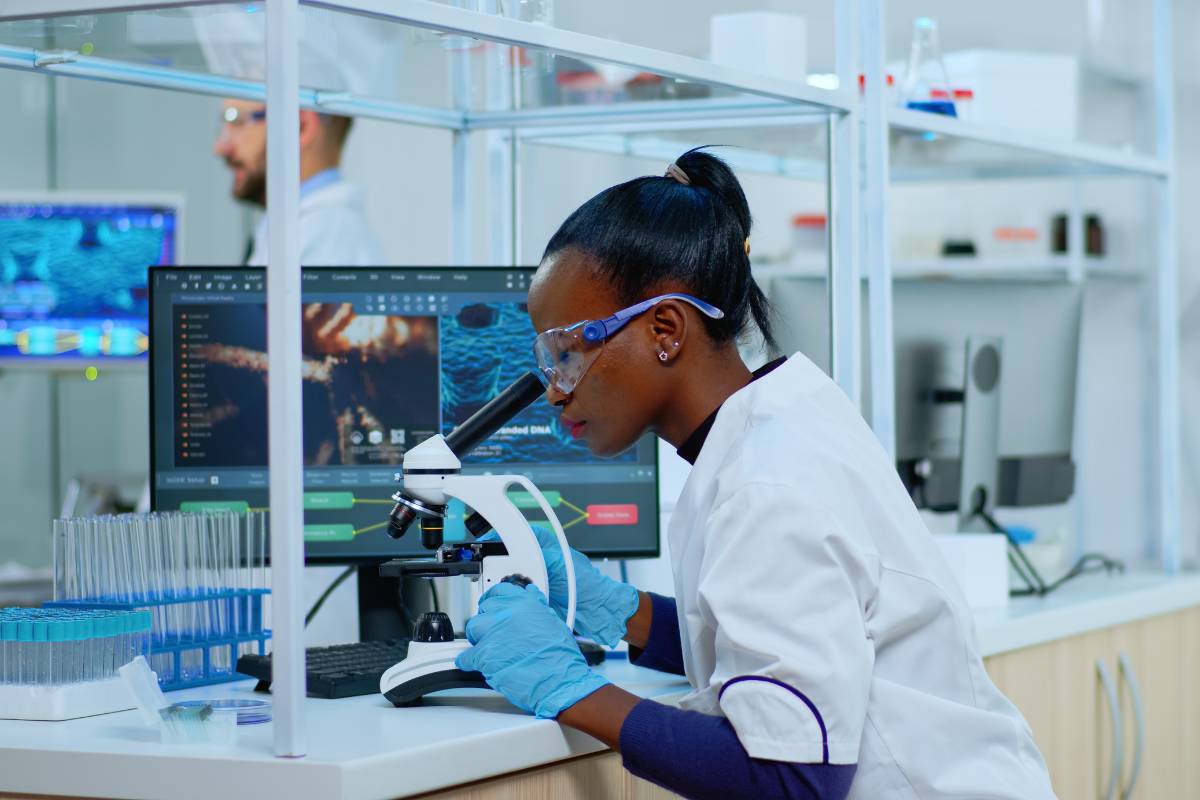
Picture this: A nurse scientist leads a research team, designing studies that uncover new ways to prevent chronic illness, improve patient safety, or reduce health disparities. Instead of only applying existing knowledge, they’re generating it — collecting data, analyzing trends, and publishing evidence that shapes how medical facilities operate. However, this role goes beyond the walls of a hospital, extending into classrooms, hospital protocols, communities, and even public health policies.
If the thought of designing solutions rather than following protocols excites you, this role may be your calling. Read on to uncover what it takes to enter this profession, the salaries you can earn, the places where your work can make a difference, and more.
Nurse as a Scientist: Career Snapshot
- Role: Conduct nursing research to generate evidence that improves patient outcomes and influences practice and policy.
- Duties: Design and lead research studies, analyze data, publish findings, and collaborate with healthcare teams to implement evidence-based practices.
- Workplaces: Universities, research institutions, hospitals, government health agencies, nonprofit organizations, and policy think tanks
- Path: Advanced nursing degree, such as a Doctor of Philosophy in Nursing (PhD), research training, and relevant academic or clinical experience
- Timeline: Approximately 7 to 10 years
Who Are Nurse Scientists?
In nursing, the term “scientist” refers to a nurse with advanced academic preparation — typically a PhD — who possesses deep expertise in clinical practices, nursing theories, and research methodology. Their primary role centers on leading, coordinating, and managing clinical research studies, translating findings into practice, and guiding evidence-based advancements across medical settings.
The role extends into many different workplaces. Here are a few examples of settings where they can be found:
- Major hospitals and healthcare systems
- Public health institutions
- Government-run agencies
- Research institutes
- Universities and nursing schools
- Nonprofit organizations
- Policy think tanks
What Does a Science Nurse Do?
These professionals wear many hats, balancing the responsibilities of a researcher, educator, mentor, and innovator. Here are some examples of tasks they may be responsible for:
| Typical job duties | Description |
|---|---|
| Design and lead research studies | Develop studies that address key challenges in nursing practice, including improving patient safety, preventing medication errors, and reducing hospital-acquired infections. |
| Collect and analyze data | Use scientific methods and statistical tools to evaluate findings and generate solutions that better nursing practice. |
| Translate evidence into practice | Work with healthcare teams to update protocols, improve safety measures, and implement evidence-based care. |
| Publish research findings | Share discoveries in peer-reviewed journals and present at conferences to advance nursing knowledge. |
| Influence policy and leadership | Advocate for positive changes in healthcare practices by presenting new policies and procedures that address existing issues. |
Additionally, nurses in the scientific sector may take on specialized responsibilities depending on their work setting. For example, those in universities may teach and mentor other nurses, while nurses working in healthcare systems may collaborate with physicians, nurse practitioners (NP), and administrative teams to identify areas of improvement in clinical practices and develop working solutions that address them.
How to Become a Nurse Scientist
Are nurses scientists? If so, how do they transition from bedside to evidence-based research roles? Let’s review the steps it takes to enter this meaningful nursing specialty:
1. Earn a Nursing Degree
Start with earning a Bachelor of Science in Nursing (BSN) degree, which serves as the foundation for your nursing career. This program equips you with essential knowledge and clinical skills while preparing you to pursue advanced opportunities. Excelling in your coursework and actively participating in research projects during your studies will help you gain valuable experience in your chosen specialty and build a professional network that can support your career journey.
2. Get Licensed
Once you’ve earned your BSN, the next step is to pass the NCLEX-RN, the standardized exam for nurses across the country. This step ensures that you are competent to practice safely and effectively in entry-level healthcare roles. Once you pass, you can apply for licensure as a registered nurse (RN) through your state board of nursing, officially allowing you to begin practicing professionally.
3. Gain Clinical Experience
Before moving into research, you may want to work in clinical settings. This hands-on experience — whether in hospitals, outpatient clinics, or specialty units — gives you insight into patient care, nursing workflows, and areas where research can drive improvement.
Experience in acute care is particularly valuable, as it exposes you to complex clinical challenges that may inspire future research projects. Here are some examples of nursing specialties where you can build relevant experience:
4. Pursue an Advanced Degree
Wondering what education is needed to become a nurse scientist? Degree choice plays a critical role in shaping your career path and research opportunities. There are several options for advanced degrees depending on your goals:
- Master of Science in Nursing (MSN): This degree focuses on advanced clinical practice, leadership, and preparing nurses for specialized practice roles. It typically takes about 2 years to complete.
- Doctor of Nursing Practice (DNP): This program emphasizes advanced clinical practice, quality improvement, health policy, and healthcare leadership. It usually takes 2 to 4 years to complete.
- Doctor of Philosophy (PhD): This degree centers on research, generating new nursing knowledge, and influencing healthcare policy. It typically takes 3 to 6 years to complete.
While all three degrees provide advanced training, a PhD is generally required for nurses wanting to work in science-based roles, as it prepares you to lead independent research, design studies, and contribute new knowledge to the nursing profession. However, some nurses may choose to advance their career gradually by earning an MSN and advancing further through a bridge program.
5. Continue Professional Development
Even after earning an advanced degree, ongoing learning is essential for nurse scientists. The hallmark of this profession is staying current with the latest advances in nursing science and practice.
To stay on top of industry trends, you’ll need to engage in continuing education, attend nursing conferences, review the latest research studies, and occasionally visit healthcare organizations and communities to observe pressing issues firsthand. This dedication ensures that your research stays relevant and continues to make a meaningful impact.
What Is a Nurse Scientist Salary?
Nurses working in science roles are highly trained professionals, and their specialized skills are reflected in their salaries. Medical scientists in the U.S. typically earn $112,690 per year. However, your exact earnings can differ based on your experience, education, and geographic location.
Curious about where nurse scientists earn the highest salaries? Here are the top-paying locations for these professionals:
Nurse as a Scientist: FAQ
Can a medical laboratory scientist become a nurse?
Yes, a medical laboratory scientist (MLS) can transition into nursing, but it requires additional education and training. MLS professionals typically complete a bachelor’s degree in medical technology or life science, such as biology or chemistry. The fastest way for these professionals to move into nursing is by enrolling in an accelerated degree in nursing program, which is specifically designed for individuals transitioning to nursing from another career.
Nurse researcher vs. nurse scientist: What’s the difference?
Nurse scientists are typically trained as research scientists and are skilled in conducting, disseminating, and translating nursing research into practice. The term nurse researcher, on the other hand, can refer to a broader range of roles, including nurses with a BSN who work in research-focused settings and may hold certifications such as Certified Clinical Research Associate (CCRA) or Clinical Research Nurse Certification (CRNCC).
How long does it take to become a nurse scientist?
Becoming a professional who leads nursing research and shapes healthcare practices is a journey that requires advanced education, hands-on experience, and a time commitment of approximately seven to 10 years. Here’s a breakdown of the typical timeline:
- BSN: About 4 years
- PhD in Nursing: Approximately 3 to 6 years
Who are some famous nurse scientists?
Throughout history, many nurses have shaped healthcare through groundbreaking research, innovative inventions, and influential theories. Here are a few examples of professionals who have left a lasting mark on nursing science:
- Florence Nightingale is often considered the founder of modern nursing and used statistical analysis to improve sanitation and other healthcare practices across medical facilities. Her contributions laid the groundwork for evidence-based nursing practices.
- Louise McManus founded the Institute for Nursing Research at Teachers College and developed nationally standardized methods for nursing licensure in the U.S.
- Loretta C. Ford co-founded the nurse practitioner role. Her work has had a lasting impact on nursing education and healthcare delivery.
- Barbara Medoff-Cooper influenced the care of high-risk infants by developing innovative tools and interventions that have enhanced neonatal care practices.
Build a Meaningful Nursing Career With IntelyCare
Dreaming of becoming a nurse scientist or exploring other specialized roles? IntelyCare helps you find quality work opportunities that align with your skills, interests, and career goals — so you can make a real impact in healthcare and beyond.