Nurses to Know: Dr. Ildaura Murillo-Rohde, Founder of the National Association of Hispanic Nurses

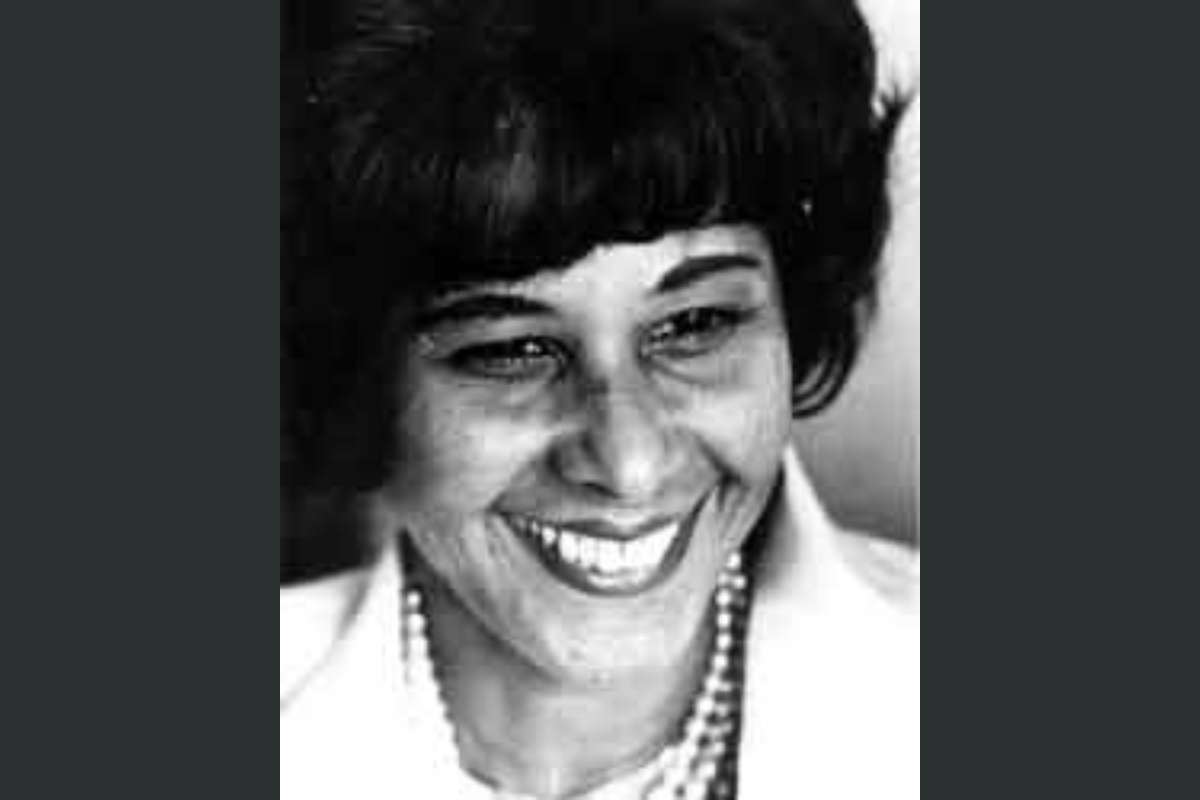
What did Ildaura Murillo-Rohde do? Dr. Ildaura Murillo-Rohde founded the National Association of Hispanic Nurses (NAHN), which today has over 40 chapters and represents 300,000 Hispanic nurses. She was an instructor and health policy advocate, as well as a great psychiatric nurse, therapist, and leader. Learn more about what caused her to found the NAHN, and how her leadership has advanced civil rights in nursing.
Dr. Ildaura Murillo-Rohde: A Career of Advocacy
Early Career
Dr. Murillo-Rohde was born in 1920 and grew up in Panama amongst a family of health professionals. After immigrating to the United States in 1945, she attended nursing school in San Antonio, Texas. There, she noticed how few Hispanic nurses there were compared to the large population of Hispanic people in the community. American nurses couldn’t communicate with their Spanish-speaking patients or understand their beliefs and customs, resulting in massive care gaps.
After finishing her initial nursing degree in 1948, she pursued an undergraduate degree in psychiatric nursing instruction from Columbia Teachers College in New York City in 1953. While earning her initial degrees, Murillo-Rohde leaned heavily on Hildegard Peplau’s theory of interpersonal relations. A lifelong mental health nurse, Murillo-Rohde believed in community, optimism, mutual respect, and patient-centered care.
After graduating, Murillo-Rohde worked in Bellevue Psychiatric Hospital, primarily caring for patients diagnosed with a so-called “Puerto Rican Syndrome,” seen in Puerto Rican soldiers who returned from the Korean War. This cluster of symptoms after traumatic events would later become known as Post-Traumatic Stress Disorder (PTSD).
During her time at Bellevue, Murillo-Rohde witnessed the shortcomings of the public health system when it came to assisting Puerto Rican families. Spanish-speaking people received inadequate mental health care, and she believed this population needed more access than the rest of the population, and that nurses have a duty to fill these gaps. She wrote:
“As health professionals, we have an obligation to use our expertise to devise appropriate and effective treatment modalities to meet the needs of the Puerto Rican family specifically, and the Spanish-speaking population in general, since the various models used with [the] white Anglo-Saxon middle class are not effective.”
In 1971, Murillo-Rohde became the first Hispanic nurse to complete a PhD from New York University (NYU). Later, she pursued additional study at the Institute of Psychotherapy and Psychoanalysis with a focus on psychotherapy and marriage and family therapy. She went on to serve as the first Hispanic associate dean for the University of Washington’s nursing program.
Forming the National Association of Hispanic Nurses
Murillo-Rohde was the only Hispanic nurse researching Hispanic health issues and policy in the 1970s, and she wanted better representation for Hispanic nurses. She also wanted more policy experts advocating on behalf of Hispanic communities.
An active American Nurses Association member, she urged the ANA to create a Hispanic Nurses Caucus at the 1974 convention. But after facing resistance, she instead formed a separate organization alongside other like-minded Hispanic nurses, called the National Association of Spanish-Speaking Spanish-Surnamed Nurses (NASSSN).
Murillo-Rohde formed the new NASSSN in Washington State, and it was later renamed the National Association of Hispanic Nurses (NAHN) in 1979. As the association’s first president, she led from 1976 to 1980. During the early years of the association, “There was no money to do anything,” she noted. “For the first four years, I was the chief cook and bottle washer for the NAHN. I promoted the association, I put out the newsletter, I did everything.”
Today, the NAHN is a powerful advocate for the Latino community, yet there remains a shortage of Hispanic nurses in the profession. Hispanic people make up 19% of the U.S. population, but just 9% of RNs identify as Hispanic, Latino, or Spanish. Promisingly, the percentage of Hispanic and Latino nursing students has been on the rise, in part due to the NAHN. Murillo-Rohde was especially proud of how the organization encouraged its members to pursue advanced education.
Later Career
Alongside her work in advocacy and organization, Dr. Murillo-Rohde served as an academic and government leader. She was the first Hispanic dean of the SUNY Downstate Medical Center College of Nursing, and served in academic positions in Michigan, Washington, Puerto Rico, and more.
Dr. Murillo-Rohde was appointed as the World Health Organization’s (WHO) psychiatric consultant to the Guatemalan government, where she established a training program for psychiatric care. She also became a permanent United Nations Representative to UNICEF for the International Federation of Business and Professional Women.
Dr. Ildaua Murillo-Rohde died in Panama in 2010. She was 89.
What Nurses Can Learn from Dr. Ildaura Murillo-Rohde
Dr. Murillo-Rohde saw how language barriers, cultural misunderstandings, and systemic inequities could limit patients’ access to quality care and undermine health outcomes. Rather than viewing these challenges as outside the scope of nursing, she believed they were central to the profession’s responsibility.
When she wasn’t given an adequate platform through the ANA, she made her own. By founding the National Association of Hispanic Nurses, she demonstrated that nurses can lead change by creating structures that amplify underrepresented voices and address inequities at an institutional level.
Dr. Murillo-Rohde’s legacy encourages nurses to view cultural competence as a core clinical skill, not an optional add-on. For modern nurses navigating increasingly diverse patient populations, her work encourages clinicians to lead with empathy, courage, and a commitment to social justice, both inside and outside the clinical setting.
Learn About Other Nurse Leaders
Curious to know more about famous nurses who impacted the profession and the world? Check out our articles on these nurses throughout history:
- Linda Richards
- Susie King Taylor
- Lillian Wald
- Mary Seacole
- Mary Eliza Mahoney
- Mabel Keaton Staupers
- Susie Walking Bear Yellowtail
- Betty Mae Tiger Jumper
- Mary Ann Bickerdyke
- Florence Nightingale
Looking for Nursing Jobs?
Dr. Ildaura Murillo-Rohde was a fierce advocate for patients and for nursing. If you’re ready to advocate for your career, sign up for personalized job notifications. We’ll send you tailored roles that fit your specialty, schedule, and location needs.