Dorothy Johnson: Nursing Theory Explainer


The Dorothy Johnson nursing theory outlines systems of patient behavior and positions nurses as leaders in improving health balance. Nurses can use Johnson’s work to understand the complexities that influence patient health and plan care that addresses patient needs. Learn more about her legacy and read on for a Dorothy Johnson nursing theory summary.
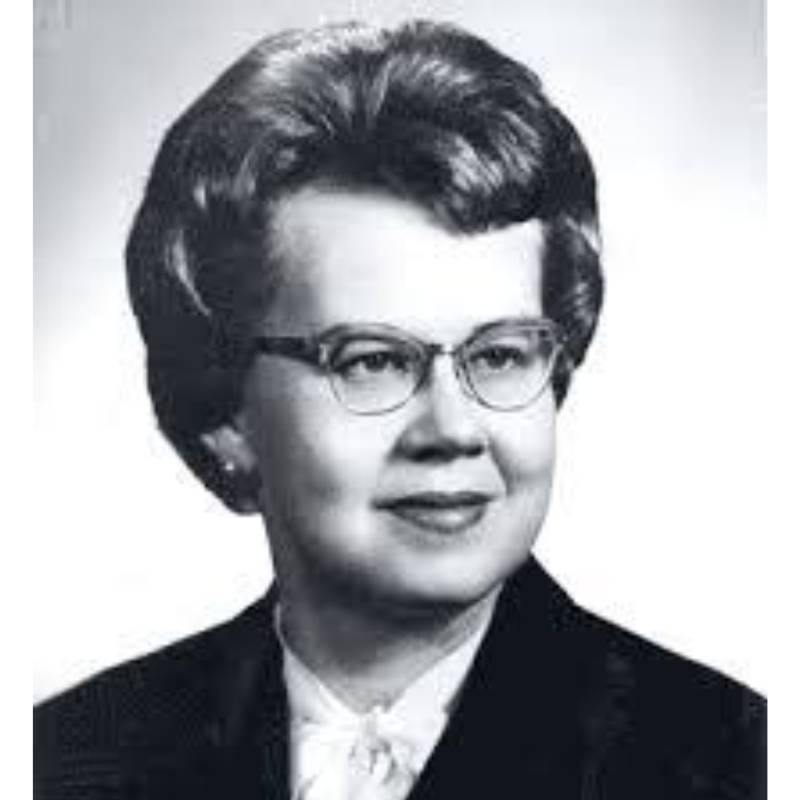
Dorothy Johnson. Source: Miami Dade College
Dorothy Johnson: Biography
Johnson was born in Savannah, Georgia, in 1919. She later earned her Bachelor of Science in Nursing (BSN) from Vanderbilt University in 1942, and then worked as faculty there after graduating. She went on to receive a master’s degree from Harvard and spent the rest of her career at the University of California, Los Angeles.
Johnson published and assisted with many academic works during her career and is known as one of the most prominent nursing theorists of the 20th century, working alongside other leaders like Sister Callista Roy. In 1980, Johnson introduced her most influential concept, the Behavioral System Model, drawing from behavioral and nursing science to provide a framework for patient health and the nurse’s role in promoting balance.
Breaking Down The Dorothy Johnson Theory of Nursing
Johnson believed that the nurse’s role is to support the patient in positive health behaviors before, during, and after illness. Nursing is a profession focused on maintaining and reestablishing balance in the body — like giving insulin to a patient whose blood glucose is high. Nursing interventions, like administering insulin per sliding scale orders, help to protect, support, and stimulate systems with the goal of balance.
Patients are complex systems that include subsystems. Imbalance in one subsystem can lead to dysregulation in another, and in the person as a whole. The nurse helps support the patient in using healthy behaviors to maintain subsystem balance.
Johnson outlined seven subsystems, each with a purpose and behavioral traits:
Each subsystem has three requirements:
- Protection: Defense or shielding against harm
- Nurturance: Input, which is needed for growth
- Stimulation: Promoting appropriate responses
When you use nursing diagnoses, you’re pointing out various insufficiencies and discrepancies in one of the above systems. Then, using the nursing process, you choose nursing interventions based on the patient’s needs.
For example, if you’re caring for a patient who can no longer toilet independently, this can represent an imbalance in the eliminative and achievement subsystems. The nurse can provide protection by removing tripping hazards from the environment, and nurturance through education about safe, assisted toileting.
Dorothy Johnson Theory: Example
Anna is a 68-year-old woman admitted to a medical-surgical unit following a stroke. She has mild left-sided weakness, difficulty swallowing, and mild aphasia (language difficulty). Prior to admission, she lived alone and was relatively active. Now she is a few days from discharge, so the unit case manager is evaluating her needs.
Disrupted Subsystems:
- Dependence: Anna struggles with independence. She is reluctant to ask for help and attempts to do tasks despite weakness, which leads to fatigue and a risk for falls.
- Ingestive: Because of swallowing difficulty, Anna has reduced nutritional intake and a fear of choking, leading to the risk of dehydration.
- Eliminative: Because of her reduced food and liquid intake, as well as fatigue and lack of activity, Anna is at risk for constipation and low urine output.
- Achievement: Anna’s sense of competence is shaken. She feels discouraged because tasks she once did easily, like feeding herself, are now difficult.
- Aggressive: Anna appears anxious and irritable when caregivers approach, possibly due to a fear of losing control.
Potential Nursing Interventions:
- Collaborate with speech therapy to perform a swallow assessment and plan safe nutrition (e.g., thickened liquids and a modified diet).
- Provide meals in small, frequent portions and assist with feeding, but encourage effort from Anna to maintain her sense of achievement.
- Offer a call bell and frequent checks to reassure Anna that help is available, supporting the dependency subsystem.
- Offer encouragement and feedback to help Anna regain confidence in performing self-care tasks within limitations.
- Request a home health consult to determine Anna’s ongoing needs and address any safety issues in her home.
Find More Nursing Theories
Interested in learning more about nursing theories and how you can apply them today in your practice? Check out our articles on influential nurse theorists.
- Dorothea Orem
- Faye Abdellah
- Florence Nightingale
- Jean Watson
- Lydia Hall
- Madeleine Leininger
- Patricia Benner
- Virginia Henderson
Ready for Your Next Great Nursing Job?
The Dorothy Johnson nursing theory shows how influential you can be in patients’ lives. If you’re looking to practice in a new area or role, we can help you find it. We offer personalized job notifications that let you know when a role matches your skills, schedule, and location. Learn more today.