Arizona Nurse Burnout Resources


Are you a nurse in the Grand Canyon State? If so, you may already be aware that Arizona nurse burnout has hit alarming levels, ranking among the states with the highest levels of burnout for nursing professionals.
Nurses in the state care for an average of 148 patients, and web searches for “nurse burnout” in Arizona outpace nearly every other state. So what’s driving this crisis? And, more importantly, what resources can help support nurses facing these challenges?
In this guide, we’ll explore the main causes of burnout in Arizona, highlight state-specific statistics, and share resources and strategies to help nurses manage stress, find support, and advocate for positive changes in the field.
The State of Nursing in Arizona
Arizona nurse burnout isn’t just a number — it’s the result of a unique mix of workforce pressures, population growth, and healthcare demands. To understand why so many nurses in the state are feeling stretched thin, we need to take a closer look at the state’s nursing workforce, demographics, and the challenges they face daily.
Here are some statistics about the state of nursing in the Grand Canyon State:
- Population and nursing workforce: Arizona is home to over 7 million people and relies on about 165,000 nurses to care for them, including about 110,000 registered nurses (RNs), more than 11,000 licensed practical nurses (LPNs), and over 13,400 nurse practitioners (NPs).
- Staffing: Nursing shortages in AZ are reaching critical levels, with an expected deficit of nearly 30,000 RNs
- Patient base and demographics: As a popular retirement destination, the state has a higher share of older adults than the national average, with 19.3% of residents aged 65 and older.
- Cost of living: The living expenses in the state are 6.4% higher than the national average.
- Earning potential: Average nurse salary in Arizona is $95,230 per year, slightly below the U.S. average of $98,430.
Beyond Arizona: Nurse Burnout Definition
So what exactly is nurse burnout? According to the World Health Organization (WHO), burnout is considered an occupational phenomenon marked by three key signs: emotional exhaustion, growing mental distance from your work, and a reduced sense of professional effectiveness.
For nurses, it often shows up as compassion fatigue, feeling emotionally distant from patients, dreading the thought of going to work, or even questioning whether they want to quit the nursing profession altogether. Burnout is more than just a bad day at work — it’s also a condition that builds up over time when stress consistently outweighs recovery and support.
Since burnout isn’t a one-size-fits-all phenomenon, each nurse may experience it in a unique way. Here are some resources to guide you in identifying whether what you’re experiencing might be burnout:
- Burnout Assessment Tool (BAT)
- Maslach Burnout Inventory (MBI)
- Professional Quality of Life Scale (ProQOL)
Managing Nurse Burnout in Arizona
Overcoming burnout is not simply a matter of willpower — it requires self-care, professional guidance, meaningful connection with others, and adopting new habits. Here’s a practical guide to help nurses recharge, relieve stress, and protect their well-being.
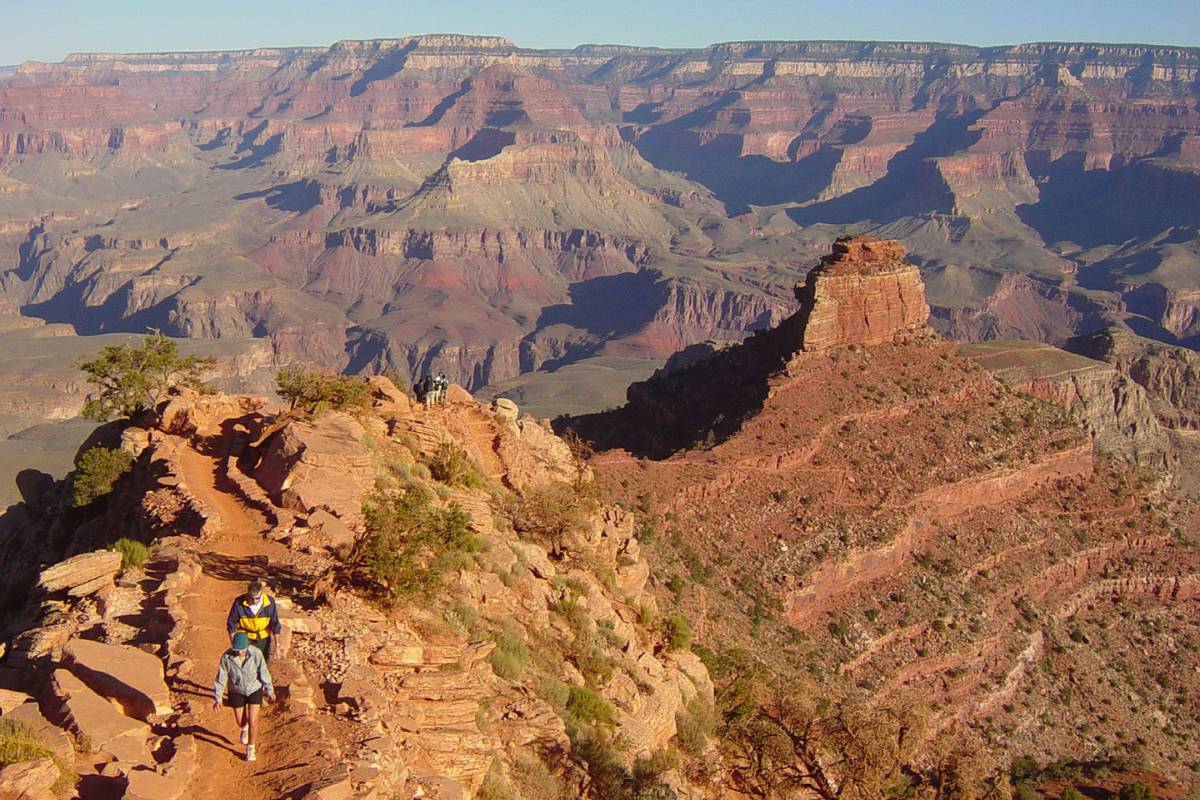
Photo by Michael Quinn.
1. Add Joy to Your Life
One of the best antidotes to burnout is joy. Luckily, Arizona is filled with stunning landscapes and outdoor adventures that can provide the perfect escape from daily stress. Spending time in nature — also called ecotherapy — not only reduces stress but also gives you something exciting to look forward to outside of work.
Here are some outdoor locations to explore in Arizona:
- Grand Canyon National Park
- Sedona’s Red Rock State Park
- Saguaro National Park
- Petrified Forest National Park
- Monument Valley
Need more Arizona nurse burnout busters? The state’s unique adventures offer an energizing break from the daily grind. Here are some thrilling ways to add excitement to your life in the Grand Canyon State:
- Hot air balloon rides
- Whitewater rafting
- Rock climbing
- Jeep tours and off-road adventures
- Stargazing
- Treetop adventures

Photo by Susan Weber.
2. Relax More
Taking intentional time to relax is essential for managing stress and recovering from burnout. Arizona offers a variety of peaceful retreats, serene landscapes, and wellness-focused activities to help nurses recharge both mentally and physically.
Here are some top-ranking spas in Arizona, perfect for nurses looking to relax and recharge:
Looking for longer-term Arizona nurse burnout recovery programs or weekend getaways? Here are a few examples of Arizona resorts that offer the opportunity for a well-deserved escape:
- Amara Resort and Spa
- Arizona Grand Resort and Spa
- Enchantment Resort
- Hilton Phoenix Tapatio Cliffs Resort
- Lake Powell Resort
3. Adopt Healthy Habits
Meditation, yoga, and exercise are simple yet powerful ways to quiet the mind, reduce stress hormones, and restore emotional balance. Consistent healthy routines — like balanced meals, proper hydration, and regular sleep — give your body a sense of safety and stability, which is essential in stressful times when everything around you feels uncertain.
Managing nurse burnout in Phoenix? As the largest city in the state, Phoenix offers multiple nurse burnout resources, including yoga studios, meditation centers, and fitness programs to help nurses recharge and maintain their well-being. Here are some resources in the state’s other most populous cities:
| City | Yoga Studios | Meditation Centers | Gyms |
|---|---|---|---|
| Tucson | Yoga studios in Tucson | Meditation centers in Tucson | Gyms in Tucson |
| Mesa | Yoga studios in Mesa | Meditation centers in Mesa | Gyms in Mesa |
| Gilbert | Yoga studios in Gilbert | Meditation centers in Gilbert | Gyms in Gilbert |
| Chandler | Yoga studios in Chandler | Meditation centers in Chandler | Gyms in Chandler |
4. Seek Support
Burnout can feel isolating, but you’re not alone — and connecting with others who understand your challenges can make a world of difference. Arizona offers a range of professional, peer, and community-based resources designed to help nurses manage stress, talk through struggles, and find the encouragement they need to keep going.
Looking for guidance as an Arizona RN? Mental health support resources are available to help you navigate stress and stay connected to a supportive community.
| Mental Health Services | Support Groups | Hotlines | Specialized Groups |
|---|---|---|---|
5. Consider a Leave of Absence
When burnout becomes overwhelming and self-care alone isn’t enough, stepping away with a leave of absence can be exactly what you need to recharge. Taking time off is not a weakness — it’s a courageous, proactive step to protect your well-being.
Here are some practical considerations when taking a leave of absence in Arizona:
- Check employer policies: Most hospitals and healthcare systems offer medical or personal leave options under the Family and Medical Leave Act (FMLA).
- Consider your finances: Some programs provide paid leave, short-term disability, or PTO — know what’s available to you.
- Document medical support: Certain leaves may require a note from a healthcare provider to confirm mental health needs.
- Prepare your team: Coordinate with your nurse supervisors to ensure your patients are cared for while you take the time you need.
Finding Another Nursing Position in Arizona
Have you taken advantage of all Arizona nurse burnout resources and self-care strategies, but still feel constantly drained at your workplace? It may be time to explore a new role or setting. But what are the happiest nursing jobs? And how can you ensure your next one won’t leave you feeling drained? Here are some options to explore:
- Non-bedside roles: Positions in nurse education, clinical research, or occupational health allow you to continue using your skills without the demands of direct patient care.
- Remote jobs: Telehealth, medical coding, and telephone triage roles can offer flexibility and the chance to maintain your nursing expertise while working from home.
- Different specialties: Transitioning to a post-acute clinical area, such as rehabilitative care, substance abuse recovery, or pain management, can offer a change of pace while still allowing you to make a meaningful impact on patients’ recovery and well-being.
- Different facility: Sometimes, burnout stems from the workplace culture rather than nursing itself. Switching to a new employer — whether it’s a unionized hospital, a non-union facility, or a healthcare organization with stronger staff support — can make a huge difference in job satisfaction.
Maybe a move to a new location is the next right step for you. Check out jobs in the following AZ cities to see what your options are:
- Nursing jobs in Phoenix, AZ
- Nursing jobs in Tucson, AZ
- Nursing jobs in Mesa, AZ
- Nursing jobs in Gilbert, AZ
- Nursing jobs in Chandler, AZ
Resources for Arizona RNs
Arizona nurses don’t have to go it alone. These organizations offer support, guidance, and connections to help you navigate your career, stay informed, and thrive in your practice:
- Arizona State Board of Nursing
- American Nurses Association
- Arizona Nurses Association
- Arizona Nurse Practice Act
- Arizona Organization for Nurse Leaders
- Arizona Indian Nurses Association
- Student Nurses Association of Arizona
Build a Fulfilling Nursing Career With Intelycare
Armed with Arizona nurse burnout resources, you can confidently explore opportunities that prioritize both your professional growth and personal well-being. Let us connect you to nursing roles that fit your lifestyle and passion, because you deserve a job that loves you back.