10 Must-Have Medical Assistant Skills

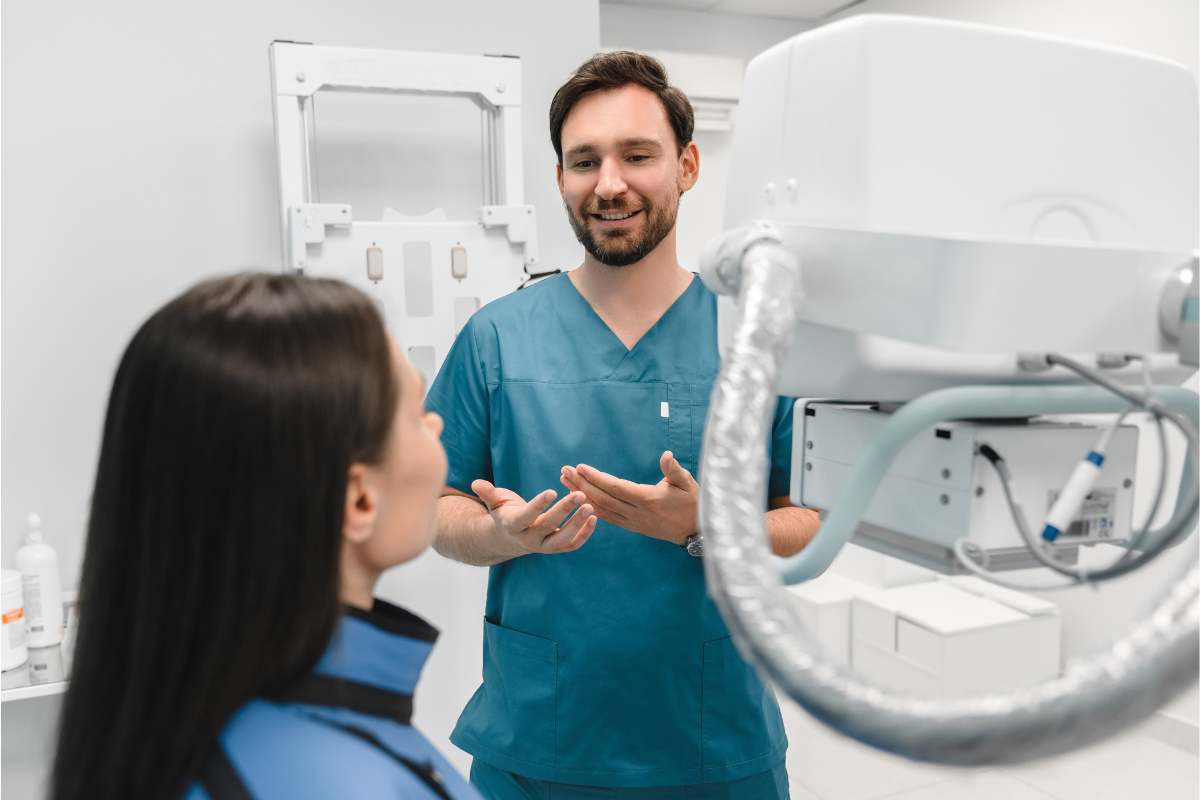
Which medical assistant skills set top professionals apart in today’s fast-paced and ever-changing healthcare industry? From taking vital signs and collecting lab specimens to scheduling appointments and keeping stock of medical supplies, medical assistants (MAs) have a range of clinical and administrative tasks to keep their workdays busy. But what are the core skills for a medical assistant? Let’s break down the essentials for success in this role.
What Skills Do You Need to Be a Medical Assistant?
Medical assistants provide essential clinical and administrative support in medical offices, clinics, and hospitals. They help other healthcare professionals provide patient care services, while also performing routine clinical procedures, such as measuring vital signs, and handling day-to-day operational tasks, like recording medication consents and preparing exam rooms. (For a more comprehensive understanding of this role, read our article on what a medical assistant does.)
Overall, the specific medical assistant skills you’ll need at your job may vary depending on the healthcare institution and its unique needs, but they generally fall into several main categories, each containing a set of clearly defined tasks.
| Clinical Duties | Administrative Tasks | Patient Support Responsibilities |
|---|---|---|
|
|
|
10 Must Have Medical Assistant Skills
Success in healthcare begins with mastering core skills as a medical assistant. From patient care to administrative tasks, below are 10 essential competencies to provide high-quality patient care.
1. Measuring Vital Signs
Accurate vital signs aren’t just numbers — they also guide important decisions. Even small mistakes in measuring blood pressure — such as using the wrong cuff size or improper positioning — can misclassify a patient’s condition, leading to inappropriate treatment decisions, like administering medication that patient didn’t need or missed signs of deterioration.
Measuring vital signs accurately is a foundational skill that requires more than just pressing a button on a machine. Proper technique is key: The patient should be seated with their back supported, feet flat on the floor, and arm at heart level, and the cuff size should match the patient’s arm circumference to ensure reliable, accurate readings.
2. Performing CPR
Cardiopulmonary resuscitation (CPR) is one of the most critical life-saving skills a medical assistant can possess. In emergency situations such as cardiac arrest, choking, or respiratory failure, immediate and effective CPR can significantly increase a patient’s chance of survival.
Since CPR guidelines change as new research emerges, medical assistants need to keep their certification up to date and practice regularly. Ongoing training helps build muscle memory, so in a real emergency, responses are quick, accurate, and automatic.
3. Doing EKGs
Electrocardiograms (EKGs) are used to monitor heart activity and help detect conditions like arrhythmias, heart attacks, and other cardiac issues. Medical assistants play a key role in performing EKGs accurately, as even small errors can affect the results and lead to misinterpretation.
This skill involves preparing the patient properly, placing leads accurately, and knowing when a reading doesn’t look quite right. Helping patients stay calm and comfortable during the test also helps ensure more accurate results.
4. Administering Medications
Medication administration is an important skill for medical assistants, but state regulations and the healthcare setting determine the scope. Typically, medical assistants can administer certain medications under the supervision of a licensed provider.
This responsibility requires careful attention to detail. Medical assistants must confirm the correct patient, medication, dose, route, and timing, and accurately document what was given. Knowing their scope of practice, following provider instructions, and monitoring for side effects all play a key role in keeping patients safe.
5. Collecting Samples
Collecting patient samples is a common responsibility, and it plays a vital role in diagnosis and treatment. This often includes drawing blood (phlebotomy), as well as collecting urine, stool, throat swabs, or other specimens needed for lab testing.
Proper technique is essential to ensure accurate results. Medical assistants must follow correct procedures for sample collection, use the appropriate containers, and label samples accurately. Just as important is handling specimens correctly and sending them to the lab promptly — delays can lead to invalid results.
It’s also important to remember that a medical assistant’s scope of practice varies by state. In some states, phlebotomy or specimen collection requires specific training or certification, while in others, it can only be done under the direct supervision of a licensed provider.
6. Assess Patients for Safety
Keeping patients safe is a top priority. Part of this involves assessing patients for risks, such as falls, injuries, or other hazards in the healthcare setting. It also involves knowing when to alert a nurse or physician if something seems off. Quick recognition of warning signs — such as changes in breathing, unusual vital signs, or altered mental status — can ensure timely medical intervention.
By staying vigilant and proactive, medical assistants help maintain a safe and supportive environment for every patient.
7. Operating Medical Equipment
MAs often work with a variety of medical devices, from Hoyer lifts and wheelchairs to autoclaves and centrifuges. Knowing how to operate this equipment correctly is essential for both accurate patient care and workplace safety.
Medical assistants may also need to troubleshoot minor issues and report malfunctions promptly, so patient care is not interrupted.
8. Preparing Examination Rooms
A well-prepared exam room helps providers work efficiently and ensures patients feel comfortable. MAs are responsible for cleaning and organizing rooms, setting up necessary instruments and supplies, and ensuring all equipment is functioning properly.
This includes arranging exam tables, sanitizing surfaces, stocking gloves, gowns, and other disposable items, and ensuring that diagnostic tools like stethoscopes and ophthalmoscopes are ready for use.
9. Assisting With Minor Procedures
Medical assistants frequently support nurses or physicians during minor procedures such as wound care, suture removal, administering injections, or performing dressing changes. This requires knowing proper sterilization techniques, handling instruments safely, and understanding the procedure well enough to anticipate what the provider will need next.
10. Documenting Accurately
Accurate documentation is a cornerstone of quality healthcare and an essential skill. This involves recording patient information, vital signs, test results, medications, and procedures in medical charts or electronic health records (EHRs).
Keeping thorough records helps providers have the information they need to make the best decisions and helps maintain continuity of care across visits. Mistakes in documentation can lead to treatment errors, delays, or confusion among the healthcare team.
How Can You Improve Your Medical Assistant Skills?
Continuing education courses can help you refine your medical assisting skills and stay up-to-date with the latest healthcare standards. Additional ways you can boost your skills include the following:
- Certification programs: Earn credentials such as the National Certified Medical Assistant (NCMA) and Certified Clinical Medical Assistant (CCMA) to validate your expertise.
- Specialized courses: Enroll in courses that strengthen clinical and administrative skills, such as phlebotomy or infection control.
- On-the-job training: Work alongside experienced colleagues, seek mentorship, or join skill-building activities offered at your workplace. Stay curious.
- Professional networking: Connect with other medical assistants, join professional associations, and attend workshops or conferences to exchange knowledge and learn best practices.
It’s Time to Find Your Job Match
Whether you’re just developing your medical assistant skills or have years of experience, we can help you find quality healthcare jobs that fit your abilities and goals. Sign up today to explore opportunities made for you.