Understanding Geriatric Mental Health: Overview and FAQ


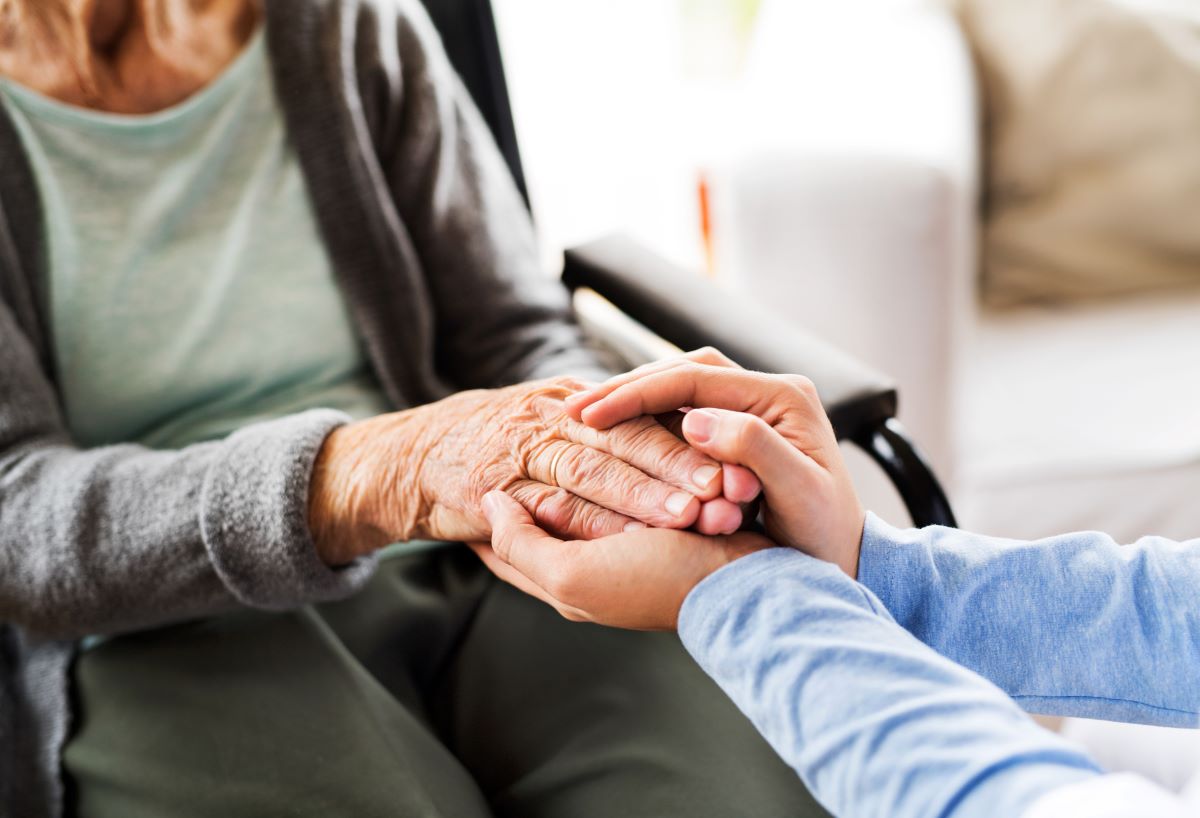
By 2030, the number of aging Americans is expected to increase from 12% to 20% of the population. As this trend increases, so does the complexity of aging patients’ needs. If you operate a healthcare facility, you’re likely considering ways to prepare for our aging population’s care. One way to do this is by partnering with a geriatric mental health specialist.
Considering the biopsychosocial needs of older individuals can help healthcare organizations improve patient health outcomes, satisfaction, and quality of life. In this article, we review the importance of addressing elderly behavioral health disparities and answer frequently asked questions from those looking to boost geriatric wellness within their organization.
Declining Mental Health in Elderly Populations: Risk Factors
Aging is a complex mental and emotional process. Older adults may experience physical or life changes that affect mental health. Experiencing the loss of loved ones — and facing the end of their own lives — places older adults at an increased risk for anxiety and depression. Other disease processes like Alzheimer’s cause memory, mood, and behavioral changes.
In addition to these geriatric behavioral health challenges, elderly individuals often lack the support and community connections they had in their younger years. Whether they live independently or in a long-term care facility, seniors tend to experience higher rates of loneliness, isolation, and neglect. Additional risk factors contributing to these mental health disorders include:
- Ageism
- Financial insecurity
- Decreased sense of purpose
- Declining physical health
- Frequently experiencing negative emotions like loss, grief, sadness
Understanding Geriatric Mental Health: FAQ
It’s essential that healthcare administrators provide these vulnerable patients with the services and resources they need to continue living robust and fulfilling lives. To do this, clinicians must be skilled at identifying signs and symptoms of declining mental health and should know how to initiate a psychiatry consultation.
We’ll help you continue (or begin) the journey of helping your elderly patient population to receive the care they deserve by answering some of your key questions below.
What is the most common mental illness in the elderly patient base?
While some sources claim that depression is the mental illness with the highest prevalence in geriatric populations, most assert that it’s a combination of disorders, to include anxiety, cognitive impairment, and mood disorders (like depression).
Why is geriatric mental health important?
The American Association for Geriatric Psychiatry (AAGP) expects the number of older adults with mental illness to double to 15 million by 2030. The number of adults living with Alzheimer’s is expected to double to 13 million by 2060. In practice settings from assisted living facilities to veteran care centers and hospitals, there will be an increasing demand for the scientific knowledge about aging and mental health that can guide better outcomes amidst comorbid conditions and the increasing shortage of available providers and nursing staff.
What is geriatric psychiatry?
It can be hard for caregivers and providers to understand how to deal with mental illness in elderly patients. Providers with expertise in geriatric behavioral health — to include geriatric psychiatrists, psychologists, or specialty nurse practitioners — consider the emotional, physical, and social needs of older adults.
They have the education and training to effectively diagnose and manage mental health conditions an older adult may experience. Common mental health issues a geriatric psychiatrist may treat include anxiety, cognitive impairment disorders (such as delirium or dementia), mood disorders (like depression and bipolar disorder), and psychotic disorders (later-life schizophrenia, for example).
A specialist in geriatric psychology or mental health also considers someone’s overall health picture when managing mental health conditions. Many older adults have comorbidities that impact behavioral health, such as diabetes, heart disease, and chronic pain.
What are the benefits of working with a geriatric psychiatrist?
Including a behavioral health specialist for the elderly on your multidisciplinary team has many benefits. Their expert clinical knowledge allows them to incorporate various interventions into a patient’s plan of care, including:
- An in-depth psychological evaluation to diagnose mild to moderate disorders.
- Medications to eliminate or reduce the severity of mental health disorder symptoms.
- Referrals to psychologists and therapists trained to counsel geriatric mental health patients.
- Education of patients and their caregivers on disease processes, side effects, and treatment options.
- Intervention at the earliest signs of emotional imbalance to prevent further neurological decline.
By employing these clinical care strategies, healthcare teams will become more knowledgeable on how to improve mental health in elderly clients’ care, helping individuals maintain close ties with community resources and support networks.
These treatments may also reduce the burden on families and direct care staff, who often experience caregiver strain. This can be a major relief at facilities with a high volume of residents who have behavioral health challenges. When caregivers have a better understanding of their residents’ needs, their working relationship improves — and so does job satisfaction.
Do in-house doctors treat mental health conditions?
Most long-term care centers and acute care facilities have an in-house family medicine doctor called an attending physician. This individual oversees medical care for patients and residents, including medication management, cognitive therapies, testing, and more. Residents may also choose to continue seeing their primary family doctor to manage their care.
It’s common for family medicine doctors or nurse practitioners to manage mental health conditions. In fact, about two-thirds of depression cases are managed by primary care doctors. While family medicine doctors are well-prepared to treat mental health conditions, their ability to deliver targeted behavioral health therapy may be limited. A board-certified geriatric psychiatrist has the education and training to dive deeper into an older adult’s mental health needs.
Where can I find an elderly behavioral health specialist?
As a facility leader, you may be wondering how to find a geriatric psychiatrist to best serve your residents. Visit AAGP online to find geriatric psychiatry professionals in your area. You may also consider searching for a geriatric behavioral health long-term care service to visit your facility.
Depending on your location, you may have access to a geriatric mental health long-term care program that sees patients or residents at your facility. At a consultation visit, a geriatric psychiatric specialist may deliver services such as:
- Diagnostic assessments of mood disorders
- Decision-making assessments
- Grief counseling
- Family consultation
- Medication management
- Non-pharmacological behavior management
The Centers for Medicare and Medicaid Services (CMS) also offers mental health services for older adults in certain Medicaid facilities. To qualify, a nursing home or long-term care facility must be considered an “Institution for Mental Diseases” (IMD). Check to see if your state offers a service called “IMD over 65” for Medicaid patients.
Want to Learn More Ways to Maximize the Quality of Life for Your Residents?
Offering services like geriatric mental health at your facility can enhance resident wellbeing and comfort. With additional healthcare insights and actionable tips from IntelyCare, you can continue optimizing your organization to provide more holistic, person-centered care, benefitting outcomes and satisfaction scores.