Security in Hospitals: 5 Best Practices for Facilities


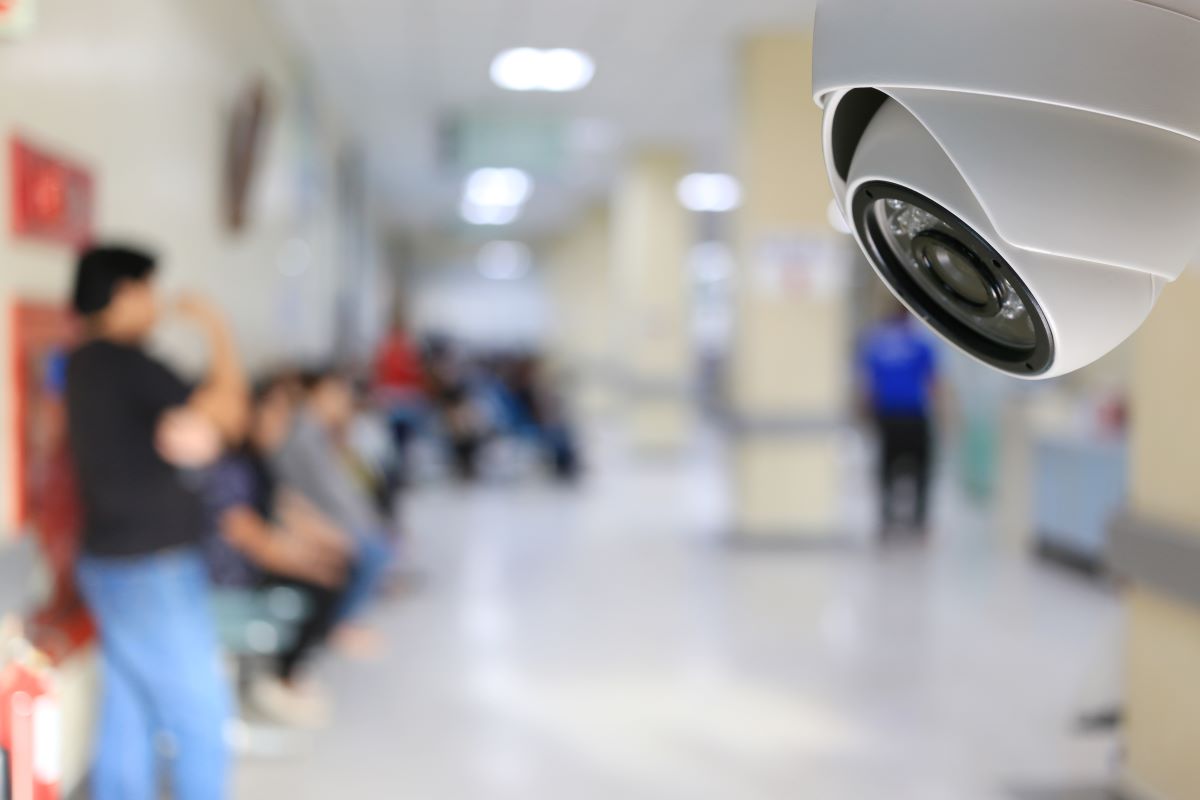
Staff safety in hospitals has become a growing nationwide concern, prompting some states to take legislative action. Yet, protecting healthcare workers often falls to the security in hospitals. Their challenging task is underscored by the fact that healthcare workers experience 48% of all nonfatal injuries from workplace violence, despite only accounting for 10% of the total U.S. workforce. These alarming statistics highlight the urgency of strengthening healthcare facilities’ security strategies to better protect staff and patients alike.
This hospital security guide offers a deeper understanding of healthcare’s violence concerns in addition to some of the key security threats facing facilities today. We’ll also offer best practices for improving your hospital security protocols and approach. With these safety-minded insights, you’ll be better equipped to reduce the risk to staff wellbeing, creating a workplace environment that promotes the safe and consistent delivery of uninterrupted, high-quality patient care.
How Common Is Workplace Violence Against Healthcare Staff?
The statistics surrounding violence in the healthcare setting are startling. Nearly 17,000 healthcare workers lost one or more days of work to occupational injuries or illness related to workplace violence in a single year. Additionally, nearly 9,000 workers experienced multiple days of restricted duty or work transfers for the same reasons.
IntelyCare’s recent Nursing Trends Survey results revealed that 28% of nurse respondents feel “unsafe” or “very unsafe” in their work environment. However, these experiences aren’t restricted to just nurses. A 2024 study found that 91% of emergency department (ED) physicians had been a victim of workplace violence, and events like the 2025 shooting incident within a Pennsylvania ICU reveal the risk extends to patients and their families as well.
Why Is Security in Hospitals Important?
Healthcare aggression and violence expose clinicians, patients, and their family members to dangerous situations. Therefore, prioritizing robust hospital security coverage is essential to keeping operations running smoothly. Utilizing a security team can help your organization:
- Improve the culture of safety by minimizing external and internal risks of violence.
- Boost patient and staff satisfaction scores.
- Improve health outcomes by allowing clinical providers to focus on patient care efforts.
- Create a healthy work environment where staff members feel safe and protected.
- Build trust among healthcare executives, employees, and patients.
What Types of Threats Pose a Risk to Healthcare Facilities?
Thousands of individuals enter and exit hospitals every day. Security at a hospital filters access by helping to manage and monitor the volume of visitors, most of whom have good intentions and are there to show patients support and assist with recovery processes. Some, however, may struggle to handle the pressure and vulnerability of a loved one’s suffering, provoking them to commit acts of workplace disturbances or violence.
In these instances — and others where the patient’s own distress leads to aggravated outbursts — healthcare facility security intervenes to manage and diffuse the crisis situation, protecting the safety of all individuals. Security teams may also be called to manage external dangers like bomb threats in addition to internal, nonviolent issues like theft or vandalism.
Without security for hospitals, clinicians would be required to juggle the dual responsibilities of patient care and facility safety. Many providers don’t receive the extensive formal training necessary for handling these situations alone, and aren’t able to provide appropriate patient care while navigating these distressing moments. This is why strategic hospital security policies and procedures are essential for preventing unsafe working conditions and minimizing threats when they arise.
Improving Security in Hospitals: 5 Facility Tips
Understanding the importance of security at a hospital is only the first step to improving patient and staff wellbeing at your facility. Here are five best practices that can help you implement initiatives that promote environmental consistency and a continuous culture of safety.
1. Promote Collaborative Safety Planning Among Staff and Hospital Security
The first step in planning healthcare security efforts is to gain insight into your facility’s current safety concerns. Poll clinicians, parking assistants, secretaries, and food service staff to identify security needs.The gathered answers to these questions can then be used to develop mutually agreed upon hospital security protocols.
Additional considerations:
- Form a multidisciplinary task force that includes security personnel to implement healthcare facility security protocols and address safety issues as they arise.
- Develop joint, scenario-based hospital security training to ensure cohesive teamwork and communication when actual events arise.
2. Align Hiring Decisions With Essential Healthcare Security Requirements
Is hospital security dangerous work? It can be. That’s why it’s essential that facilities create a comprehensive hiring framework for these essential personnel that attracts candidates with the right skillset for this challenging work. At a minimum, hospital security guard hires should possess strong communication skills, some background, related experience, and a known ability to stay calm and professional in high stress situations.
Additional considerations:
- Create an extensive onboarding experience for new hospital security personnel that prioritizes de-escalation tactics and crisis management.
- Extend mentorship opportunities to security in hospitals, creating connections that foster teamwork and reduce the risk of compassion fatigue.
3. Standardize and Update Intersystem Emergency or Security Codes
Most hospitals utilize overhead alarm systems to communicate emergencies occurring within the facility. These often use color-coded alerts to denote the type of response personnel required. For example, a “code blue” would require a rapid response medical team, while a “code gray” call could indicate workplace violence.
However, in other settings, that same “code gray” could indicate a possible tornado watch. Switching to plain language distress calls that are shared across systems could help expedite response times and prevent costly, risky confusion.
Additional considerations:
- Create workplace violence drills utilizing the emergency code to encourage faster response times during real events.
- Partner with other hospitals and facilities to adopt shared plain language distress codes to avoid intersystem miscommunication or staffing confusion.
4. Embed Hospital Security Officers Into the Daily Workflow and Staffing Matrix
Hospital security duties and responsibilities cover a range of potential threats. By integrating them into the hospital work environment beyond entry points and the ED, they’re better able to understand the unique security concerns of each unit or department. Daily interactions outside of emergency events also help to form the connections and trust that improve psychological safety, boosting the teamwork that can optimize outcomes across the crisis continuum.
Additional considerations:
- Encourage hospital security officers to conduct routine safety rounds across the facility throughout the day to encourage early communication of concerns or potential risks.
- Include an employee spotlight for security personnel during systemwide employee orientations, clarifying their role and demonstrating how they fit within the larger team.
5. Conduct Joint Safety Event Debriefs Among Clinicians and Security in Hospitals
In the unfortunate event that a safety event does arise, it’s important to hold a debrief session after the situation has been handled to discuss why the event took place, how it was handled, and what could be done to improve the response in the future. Hosting these supportive meetings can prevent burnout, improve employee retention, and boost satisfaction scores.
Additional considerations:
- Collaborate to create SMART safety goals that focus on risk mitigation and crisis avoidance, using post-event debriefs to mark progress or identify points of possible remediation.
- Invite hospital security guards to events meant to improve healthcare staff mental health, like Schwartz Rounds or stress decompression workshops.
Discover More Ways to Improve Safety at Your Facility
True workplace safety goes beyond making security in hospitals a collaborative facility effort. Boost your staff (and patient) wellbeing initiatives with our facility guides and healthcare insights, backed by experts and designed to help optimize your patient and organizational outcomes.