Safe Patient Handling: Facility Training Guide

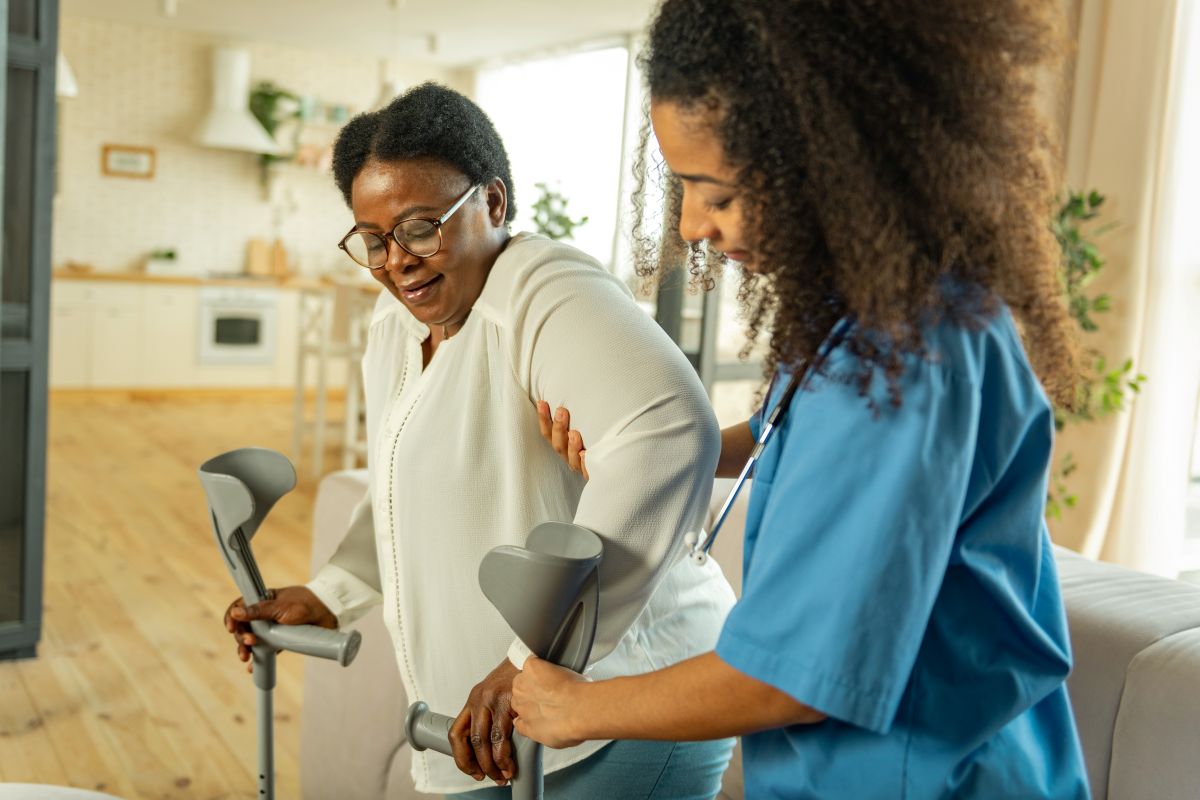
Safe patient handling (SPH) refers to moving and repositioning patients in a manner that minimizes risk of injury to healthcare staff and the patients themselves. Facility leaders are urged to focus on this important training area due to the high incidence of workplace musculoskeletal injuries sustained by staff when handling patients.
These injuries come with significant employer costs related to nurse turnover, medical compensation, and legal fees. It’s estimated that back injuries alone cost healthcare employers $20 billion annually. Workplace injuries can lead to chronic pain and fatigue for staff, which translates to compromised care for patients. Furthermore, improper patient handling puts patients at risk.
Training staff on SPH is crucial for preventing workplace injuries, promoting a culture of safety, and improving outcomes for patients. We’ll provide an overview of patient handling risks and safety principles, and discuss the essential components to include in your training program. We’ll also cover the ways multidisciplinary teams contribute to SPH efforts, and give you valuable resources, tips, and examples to use as you develop your facility’s training initiatives.
What Is Safe Patient Handling? An Overview
The safe handling of patients, sometimes referred to as safe patient handling and mobility (SPHM), is a topic of growing importance for healthcare providers. Though the safe transferring, lifting, and repositioning of patients has always been an aspect of providing patient care, these tasks gained political and legal attention in the 1990s due to high healthcare employee injury rates.
Research conducted by the National Institute for Occupational Safety and Health (NIOSH) found that nursing assistants, personal care aides, and orderlies suffered more workplace injuries than workers in any other occupation. Following this, 11 states enacted patient handling laws, rules, and regulations to protect healthcare workers, and many facilities initiated SPH programs.
Additional factors contributing to the increased awareness of SPH are the obesity epidemic and the aging population.
Increased Focus on SPH Due to the Obesity Epidemic
At least one in five (20%) adults in the U.S. is obese, and in 23 states this rate increases to approximately one in three (35%). Before 2013, there were no states that had an obesity rate of 35%. This increase in the prevalence of obesity over the past decade highlights the evolving nature of this public health concern, and the changing demands on healthcare workers. Obese patients represent an increased risk of musculoskeletal injuries for healthcare staff.
Increased Focus on SPH Due to the Aging Population
The aging population is another factor increasing biomechanical demands on healthcare workers. Approximately 18% of the population is 65 or older, and the fastest growing segment of our population is those aged 85 and over. These individuals represent an increased risk for injury for healthcare staff charged with caring for them, due to the physiological and cognitive effects of aging.
High-Risk Patient Handling Tasks at Nursing Homes
Staff at nursing homes are often tasked with assisting patients with both obesity and advanced age. It’s estimated that half of nursing home residents require assistance with transfers due to limited mobility, and one in three residents is obese. Nursing home resident obesity has more than doubled over the past two decades. Studies show that 44% of workplace injuries at nursing homes are a result of lifting patients.
Who Needs Patient Handling Training?
Across facility types, all staff involved in patient care should be trained on safe handling techniques and strategies. This includes multidisciplinary staff throughout the facility’s hierarchy. By training all levels of the staff, including physicians, nurse practitioners, and caseworkers, organizations mitigate the risk of high-level staff requesting frontline staff to complete unsafe patient handling due to lack of awareness of safety principles.
Why Do Hospitals Have Safe Patient Handling Programs?
Thanks to the growing body of evidence about the risk of injury related to the unsafe manual movement of patients, many hospitals have implemented SPHM programs. These programs focus on minimizing manual patient handling to tasks that involve safe weight limits, and educating staff about selecting and using SPHM technology. Providing education and training to your staff can benefit your organization by:
- Preventing the costs associated with workplace injuries.
- Improving staff morale.
- Reducing nurse turnover.
- Increasing the quality of care you’re providing to patients.
Ensuring you have adequate protocols in place and that staff is properly trained can also help your facility maintain compliance with state patient handling legislation and federal workplace safety regulations.
Safe Patient Handling Training Essentials
The details of the training that you provide for your staff will depend on the specifics of your facility, such as your patient population and the types of services you offer. However, there are core elements that all SPH training programs should address. Below, we’ll go into depth on these core topics and provide resources so that you can further tailor your training materials to meet state requirements and optimize patient care.
1. Identify Risks and Assess Hazards
Educate staff about the risks and hazards they (and their colleagues) encounter while providing patient care. This will help them identify situations that may cause injury so that they can make appropriate adjustments.
Identification of risks requires foundational knowledge of biomechanics. The CDC offers a helpful resource on ergonomic hazards in the workplace that breaks down the causes of common injury types.
Teach staff that abrupt overexertion and repetitive and static postures can cause injury. For example, a nurse on a med-surg floor may be aware that repositioning an obese patient without the assistance of a lift would put her at risk of sustaining a back injury. She may not be aware that holding a static position while assisting a phlebotomist with a blood draw also represents a risk.
2. Choose and Use Appropriate Assistive Equipment
A crucial component of safely handling patients is selection of the correct assistive device. To choose the right device, staff may need to know how to assess their patient’s mobility level. Inform staff of the mobility assessment criteria that your facility has in place, and how often it should be used.
Also, provide a clear explanation of how to facilitate a physical therapy (PT) consultation. Discuss expectations for interprofessional collaboration, such as how to communicate PT consult results with all members of the care team.
Educate staff about the use of selected assistive equipment, including:
- Where it’s stored.
- How to report damage.
- How and when to charge batteries.
- Maintenance procedures.
Frontline staff members who will be using mechanized assistive devices with patients should receive hands-on training. Involve the vendor when appropriate (for example, when incorporating a new model of ceiling lift). Allow staff to test all features and accessories until they feel confident, and deliver annual refreshers to review safe usage.
You may want to reference the Occupational Safety and Health Administration (OSHA) Safe Patient Handling Checklist to ensure you’ve addressed all aspects of assistive device utilization.
3. Review Patient Handling Evidence-Based Best Practices
The importance of using technology, rather than manual efforts, for repositioning and moving patients is a cultural shift in the healthcare industry. Staff members who have spent most of their careers manually moving patients may wonder, why are mechanical aides essential for safe patient resident handling? Provide evidence to back up your training points, so that resistant staff members understand the “why” behind using assistive devices.
Learn More Ways to Support Your Healthcare Staff
Empowering your staff to use safe patient handling techniques is a great way to demonstrate supportive leadership. Looking for more ways to uplift your team? Our healthcare guides and resources offer fresh ideas for promoting safety and wellness at your facility.