Remote Patient Monitoring: Overview and Best Practices

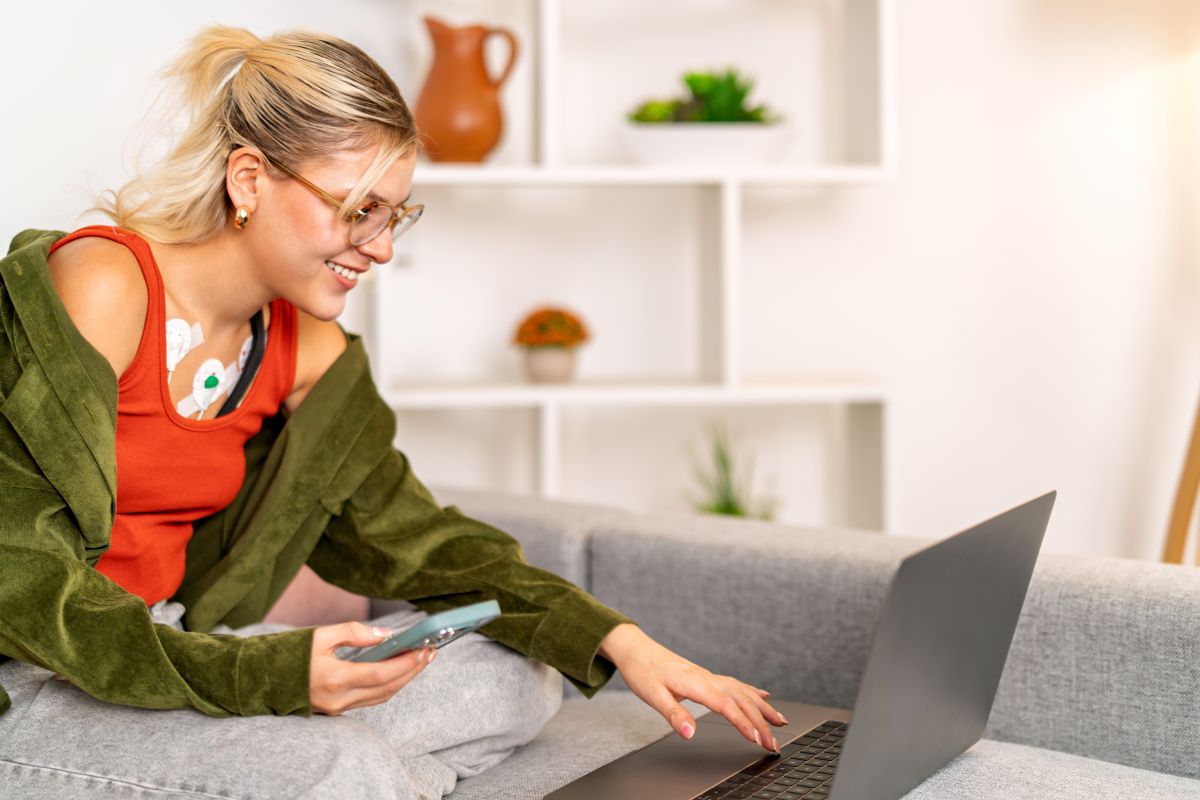
Remote patient monitoring (RPM) is when health data is gathered from a patient outside of the clinical environment and shared with clinicians for the purpose of making informed decisions about a care plan. Because this practice involves an intersection of technology and medicine, it’s a rapidly evolving model of care delivery. In one recent study of over 5,600 hospitals in the U.S., the use of RPM increased by 40% over 5 years.
The increasing use of RPM may be due to a few different factors. Changes that the Centers for Medicare and Medicaid Services (CMS) implemented in response to Covid-19 made telemedicine and virtual care options more financially viable for providers and patients, causing a spike in the use of these services. In an analysis of Medicare data from 2019 to 2023, RPM use increased by over 3,334%. Other contributors are the increasing availability of high-speed wireless internet and our aging population’s chronic conditions.
Though RPM is becoming more widely used, it’s not a good fit for every patient or facility. Let’s discuss the limitations of RPM, how it can be used, and its prominent advantages and disadvantages. We’ll also cover three best practices for the RPM program at your facility.
What Is Remote Patient Monitoring (RPM)?
In broad terms, remote monitoring involves a patient who is outside of a medical setting collecting their own health data using a medical device, sharing the data, and collaborating with care providers to alter their treatment course if needed. When it comes to medical billing, insurers often distinguish between two distinct forms of remote monitoring: remote physiological monitoring and remote therapeutic monitoring.
Remote Physiological Monitoring
This involves the use of devices to monitor physiological data, such as blood pressure, oxygen saturation, and blood glucose levels.
Here are some commonly used remote patient monitoring devices:
- Blood pressure cuff
- Scale
- Glucometer
- Spirometer
Remote Therapeutic Monitoring
This involves monitoring non-physiological metrics, such as a patient’s subjective report of completing an exercise or taking a medication. Some therapeutic monitoring entails the use of a device to track data. For example, a bluetooth-enabled sensor can be placed on an inhaler to track medication usage.
How Does Remote Patient Monitoring Work?
Typically, a patient and provider (or care team) will work together to ensure that the patient has the necessary tools to implement remote tracking of their condition. Taken together, the tools form a kit that is used to communicate with the care team from a remote location. Here’s a breakdown of the elements needed:
- Medical monitoring device(s)
- Internet-connected communication device (tablet, smartphone)
- RPM software platform
The specific medical devices that are used will depend on the condition that is being monitored. For example, a patient with hypertension will need a blood pressure cuff, while a patient with diabetes may use a glucometer or continuous glucose monitor. In some cases, the medical device needs to be FDA-approved in order to qualify for insurance reimbursement.
In addition to gathering the necessary tools, the patient and provider must go over a plan for monitoring and communication. To implement remote monitoring, a patient will use the devices as discussed to share the relevant data. The provider is responsible for responding appropriately to the data that is collected. To bill for remote patient monitoring, CTP codes that correspond to the phase of the process or the type of monitoring may be used.
Examples of Remotely Monitoring Patients
For some conditions, remote patient monitoring benefits patients by promoting the early detection of deconditioning, allowing for proactive interventions. Here are two examples of using RPM in practice.
Example 1:Patient With Exacerbation of Cirrhosis
- The patient is hospitalized with worsening cirrhosis-related symptoms, treated at the hospital, and discharged home.
- The patient is identified as eligible for the RPM program.
- The patient is contacted within one day of hospital discharge and virtually enrolled in the RPM program.
- A kit with the necessary tools is mailed to the patient’s home.
- The patient receives virtual teaching about how to use the kit, and a plan is made for communication between the patient and the care team.
- The patient uses the medical devices to monitor cirrhosis-specific symptoms daily.
- The collected data is automatically integrated into their electronic health records.
- Certain data triggers alerts for the care team and requires intervention. Alerts are monitored 24/7 by a trained team of healthcare providers and the appropriate interventions are provided (such as instructions for diet modifications or medication dosage changes).
- After 90 days, the patient transitions out of the program.
Example 2: Patient With Newly Diagnosed Hypertension
- A patient is hospitalized for symptoms of hypertension. The patient is diagnosed and a treatment protocol is started.
- While hospitalized, the patient is identified as a good fit for a hypertension-specific RPM program.
- The nursing staff discusses the RPM program with the patient, and the patient agrees to participate.
- In-person education is provided while the patient is hospitalized, and the patient demonstrates back to staff how he will use the remote blood pressure monitoring system, including a cuff, smartphone app, and text-based communication channels.
- The patient is sent home with the appropriate equipment and proceeds to use it as instructed to share twice-daily readings with his team.
- When a metric falls outside of the pre-determined parameters (tailored to the patient), a nurse on the care team calls the patient to discuss the situation and determine a plan.
- After two weeks, the patient’s blood pressure readings remain consistently stable and within a therapeutic range and he transitions out of the program.
What Are the Advantages and Disadvantages of Monitoring Patients Remotely?
Monitoring patients outside of a controlled, clinical environment comes with variable challenges that are patient-specific. The patient’s living situation, attitude toward their condition, and support systems may affect the success of monitoring efforts. Success also depends on the care team and their workflow and resources. Let’s look at some stand-out advantages and disadvantages of this care model.
| Cost-efficient solution for patients because they can stay home as opposed to incurring bills for a hospital or nursing home stay
May improve patient outcomes by detecting early, treatable signs of deterioration May promote patient engagement in the disease-management process |
The frequency of monitoring can increase anxiety and stress in patients, who may become hyperaware of small changes in their condition
Can lead to “alert fatigue” for both the individual being monitored and the team performing the monitoring Care can be disrupted by internet connectivity issues |
Best Practices for Remote Monitoring of Patients
Delivering care through RPM programs is a relatively new concept, and there is still a lot to be learned. Healthcare researchers, innovators, and leaders continue to assess best practices for remote monitoring. As the software and medical devices used improve, our strategies for offering these services will change as well. Here are three best practices to consider for your facility’s program.
1. Determine Whether Telehealth Is a Good Fit
Before diving into the logistics of remote monitoring with a patient, have a face-to-face (in person, if possible) discussion to assess the patient’s health and technological literacy.
Almost 9 out of 10 American adults struggle with health literacy, and it isn’t necessarily correlated with education level or intelligence. Simple questions about their condition can illuminate their understanding about the disease process and the purpose of monitoring.
In addition, test the patient’s comfort level and aptitude with technology. Poor health or tech literacy may indicate the patient won’t adhere to a remote monitoring protocol.
2. Introduce the Patient to the Concept of RPM In-Person
After designing and testing an RPM program, care providers at the Mayo Clinic Rochester reported that patients adhered to the program best when enrollment occurred in-person, as a part of discharge planning. Additional studies confirm that RPM is most effective when it’s co-designed by the patient and the provider, and an in-person conversation is a great way to facilitate this.
3. Staff Remote Patient Monitoring Care Teams With a Variety of Skill Levels
A patient’s adherence to RPM protocols is only one side of the equation. The care team must also be properly equipped and staffed so that they can initiate timely health interventions. A mix between general nurses, specialized nurses, advanced practice nurses, and physicians may be needed to optimize the program in terms of patient outcomes, patient experience, and cost-effectiveness.
For example, daily, non-urgent communication with a patient could be handled by a virtual RN, while an escalation in the patient’s condition may need to be assessed by a nurse with specialized knowledge or advanced-practice credentials.
Stay Current On Healthcare Innovations
The use of tech in healthcare is evolving at unprecedented rates. It can be challenging to stay on top of the many advances, such as remote patient monitoring strategies. We’re here to support you with our research-backed healthcare industry insights that are designed to keep you informed.