Orthopedic Nurse Certification (ONC): Overview and FAQ

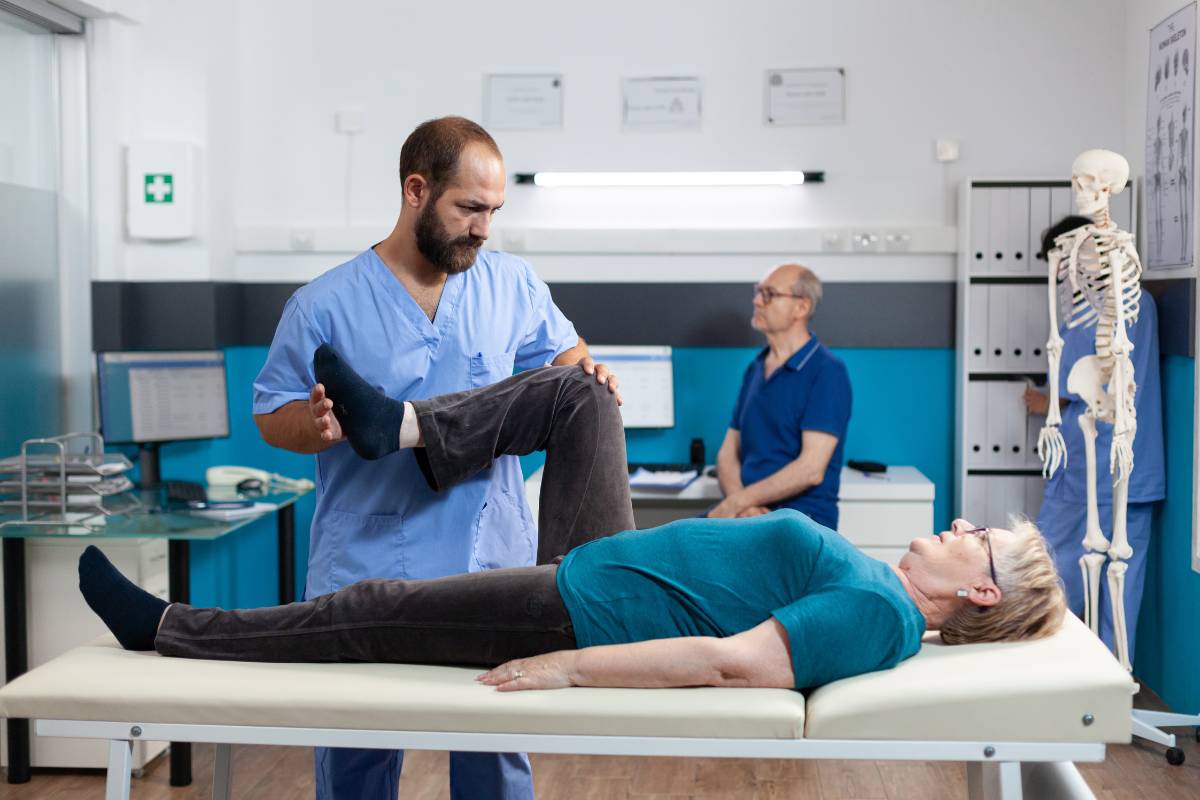
The Orthopedic Nurse Certification (ONC) is a nationally recognized credential that validates the expertise of registered nurses (RNs) who specialize in caring for patients with musculoskeletal conditions such as fractures, joint replacements, arthritis, and spinal disorders. Earning ONC certification signals to employers that you’re actively invested in specialty practice and professional growth, making you a more desirable candidate for best-paying work opportunities, promotions, and leadership roles in the specialty.
With over 121 million Americans affected by musculoskeletal diseases — the nation’s leading cause of disability — the need for skilled orthopedic nurses is undeniable. This guide covers everything you need to know to earn this valuable credential.
ONC Nursing Certification: Snapshot
- Eligibility: You’ll need an active RN license, at least 2 years of nursing experience, and 1,000 hours of specialty-specific nursing practice within the past 3 years.
- Preparation: Review the study reference list and certification handbook, and consider investing in ONC prep products, such as online practice exams and e-flashcards.
- Application process: Create an online account on the organization’s website, complete your application for initial certification, upload all required documents, and wait for it to be reviewed and approved.
- Exam: Your test will have 150 questions, and you’ll have 3 hours to answer them.
- Cost: The exam fee is $425.
- Renewal: You’ll need to renew your credential every 5 years.
What Is ONC Certification for Orthopedic Nurses?
ONC is a professional credential that’s awarded to orthopedic RNs who meet specific eligibility criteria and pass a specialized exam administered by the Orthopaedic Nurses Certification Board (ONCB).
The journey to getting certified is straightforward but rigorous. First, meet the eligibility requirements, then prepare thoroughly for the test, and finally pass the exam. The test covers major orthopedic conditions and key skills needed to excel in the specialty.
| Conditions You’ll Be Tested On | Skills You’ll Be Tested On |
|---|---|
|
|
Orthopedic Nurse Certification Requirements
Want to know what it takes to become an ONC-certified orthopedic nurse? Let’s walk through the steps to earn this prestigious credential.
1. Meet Eligibility Requirements
First things first — make sure you’re eligible. The ONCB sets out a few requirements you’ll need to check off before you can take the certification exam:
- Hold a current and unrestricted RN license in the United States or its territories. International applicants must meet eligibility criteria by verifying their credentials through the Commission on Graduates of Foreign Nursing Schools.
- Acquire 2 years of experience as an RN.
- Complete a minimum of 1,000 hours of orthopedic nursing practice within the past 3 years.
2. Prepare for the Exam
Once you’ve confirmed your eligibility, it’s time to get exam-ready. Start by reviewing the ONC exam content outline provided by the ONCB — think of it as your orthopedic nurse certification study guide. This blueprint lays out exactly what topics you’ll be tested on. On top of that, there are plenty of helpful resources you can use to strengthen your preparation efforts:
3. Register for the Exam
When you’re confident in your preparation, the next step is registering for the ONC exam through the ONCB website. You’ll need to set up an online account, fill out the application, and upload documents that show your eligibility and work experience. Once your application is approved, you’ll get a “Notice to Schedule” email from Meazure Learning, the official testing vendor, within a few days.
4. Pay the Exam Fee
The fee for the ONC examination is $425. This orthopedic nurse certification cost covers the exam itself but does not include study materials or preparatory resources. If you’re a member of certain professional organizations, such as the National Association of Orthopaedic Nurses (NAON) or the Nurse Organization of Veterans Affairs (NOVA), you may be eligible for a discount.
5. Pass the Orthopedic Nurse Certification Test
With your exam registration complete, it’s time to face the test. The exam is designed to ensure that certified nurses have the skills and knowledge needed to provide top-tier orthopedic care. Here’s a quick glimpse of what you can expect on test day:
- Your test will last 3 hours.
- You’ll need to answer 150 questions (135 scored and 15 unscored).
- You’ll need a raw score of at least 97 to pass.
6. Maintain the Certification
Certification is valid for five years, and you’ll need to renew it to ensure your expertise stays current and relevant. The ONCB offers two options for recertification. You can either retake the ONC exam or complete 75 contact hours of continuing education — at least 50 of which must be in clinical orthopedics and up to 25 in general nursing — plus accumulate 1,000 hours of orthopedic nursing practice in the previous five years.
FAQ: ONC Certification for Orthopedic Nurses
What do I do if I fail the exam?
If you’re worried about failing, the ONC offers a Retest for Success program that gives eligible nurses a free backup retake. For those not in this program, ONCB provides a $50 discount for each retest. You won’t need to submit a new application unless more than 366 days have passed since your last exam.
What is a typical salary for ONC-certified professionals?
The national average salary for registered nurses in the U.S., including those specializing in orthopedic care, is $98,430 per year. Holding a professional certification can strengthen your case in salary negotiations, potentially boosting your pay.
Keep in mind that your exact paycheck can vary depending on your experience, education, and where you work. Nursing offers flexibility to work across states, some of which offer higher pay:
What are the benefits of obtaining ONC credentials for nurses?
Earning the ONC credential comes with a range of professional and personal advantages. According to the ONCB, certified nurses often report greater confidence in their professional abilities, higher job satisfaction, and increased respect within their healthcare teams. Certification can also do the following:
- Validate your expertise in orthopedic nursing.
- Show your commitment to lifelong learning and clinical excellence.
- Give you flexibility to work in diverse environments, including acute care, primary care, emergency services, and home care.
- Increase your competitiveness for new job opportunities and career advancement.
- Help you achieve lasting professional growth and recognition.
Related Certifications
Want to expand your professional credentials? Here are some other certifications to explore:
- Ambulatory Care Nursing Certification (AMB-BC)
- Certified Emergency Nurse (CEN)
- Certified Rehabilitation Registered Nurse (CRRN)
- Certified Medical-Surgical Registered Nurse (CMSRN)
- Certified Neuroscience Registered Nurse (CNRN)
- Trauma Certified Registered Nurse (TCRN)
Want More Out of Your Nursing Career?
Orthopedic nurse certification (ONC) can boost your professional credibility — and with IntelyCare, you don’t have to wait to put your skills to work. Discover quality nursing opportunities that align with your ambitions and desired lifestyle by signing up today.