Nursing Workplaces: 10+ Types of Rehab

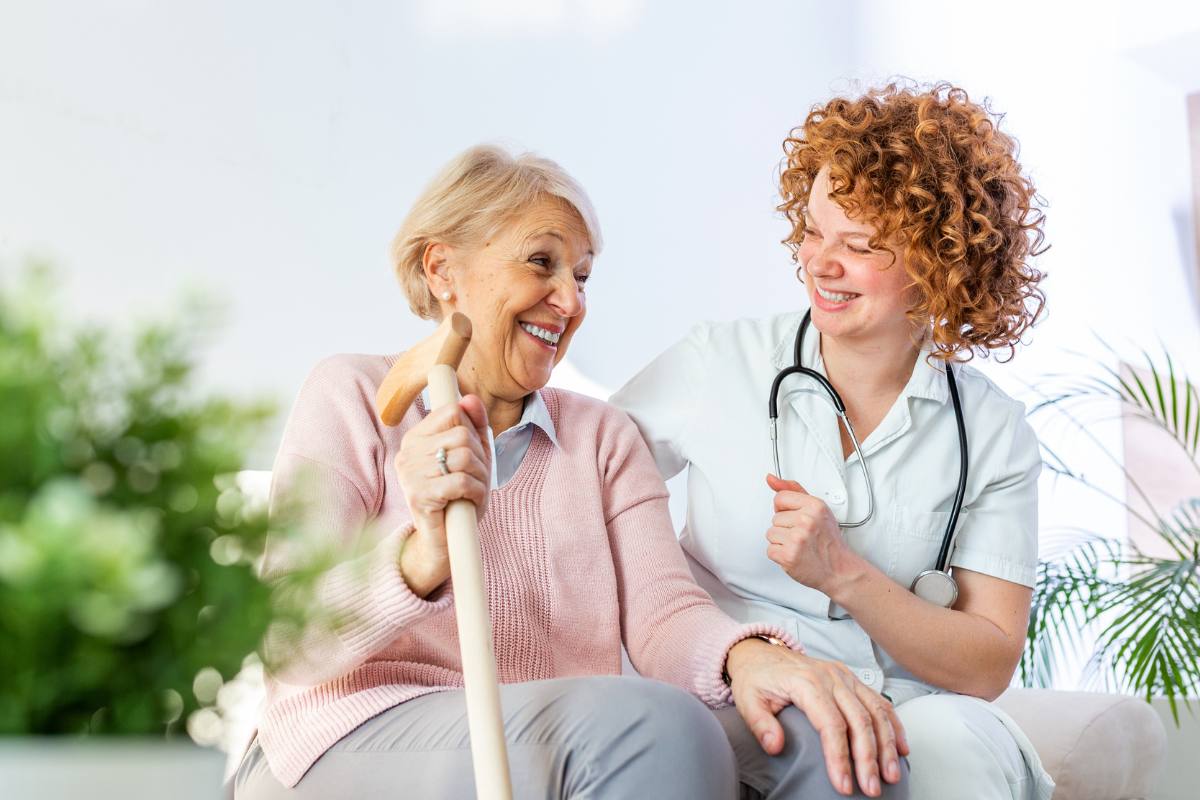
When we break down types of rehab, we find a range of facilities that fall into this category — and a huge number of people who need these services. In the U.S., tens of millions of adults seek rehabilitating care annually, from physical therapy and post-surgical recovery to behavioral health support and addiction treatment, along with highly-specialized programs for cardiac, neurological, and pulmonary conditions.
If you’re a nurse wanting to work in rehabilitative care, this article will walk you through the major types of rehab facilities, what patient populations they serve, and what you can expect in each setting.
What Is Rehab?
Rehabilitation — often simply called rehab — refers to a broad range of healthcare services designed to help a person regain, maintain, or improve physical, mental, behavioral, or cognitive function after an illness, injury, surgery, or chronic health condition. In medical terms, rehabilitative care aims to help individuals restore the highest level of independence and quality of life by targeting the specific skills and abilities they may have lost or struggled to use.
Unlike acute care facilities, which focus on stabilizing a condition or treating disease, rehab is about functional recovery — it helps patients relearn or strengthen abilities such as walking, speaking, performing daily tasks, and coping with stress.
Wondering who works in rehabilitative care facilities? As a nurse, you’ll usually work within a multidisciplinary group, with the exact team varying by facility. Common roles include:
- Medical doctors
- Physical therapists
- Occupational therapists
- Speech-language pathologists
- Social workers
- Case managers
- Psychologists/psychiatrists
- Orthotists/prosthetists
- Respiratory therapists
- Dietitians/nutritionists
- Adaptive equipment specialists
- Neuropsychologists
The patients you care for also vary widely depending on the types of rehabilitation nursing you specialize in. Here are some typical examples:
| Type of Patients | Examples of Conditions | Examples of Nursing Tasks |
|---|---|---|
| Patients recovering from neurologic conditions | Traumatic brain injury (TBI), stroke, spinal cord injury |
|
| Patients recovering from cardiac conditions | Heart attack, coronary artery bypass graft (CABG) surgery, heart failure |
|
| Patients recovering from orthopedic/post-surgical procedures | Total hip replacement, total knee replacement, spinal fusion surgery, rotator cuff repair |
|
| Patients with chronic pain | Fibromyalgia, osteoarthritis, post-mastectomy pain, low back pain |
|
| Patients with behavioral health needs | Major depressive disorder, generalized anxiety disorder, bipolar disorder, schizophrenia |
|
| Patients in substance use recovery | Alcohol use disorder, opioid use disorder, stimulant use disorder |
|
| Pediatric patients | Cerebral palsy, developmental delays, post-injury rehabilitation, congenital musculoskeletal conditions |
|
| Geriatric patients | Post-fall injuries, advanced osteoarthritis, age-related deconditioning |
|
10 Types of Rehab Facilities
1. Physical Therapy Rehabilitation
Physical therapy rehabilitation, commonly abbreviated as PT, is one of the most common and widely recognized types of rehabilitation facilities. This type of rehab focuses on restoring strength, mobility, balance, coordination, and overall physical function after injury, illness, or surgery.
You’ll see patients recovering from:
- Amputations
- Orthopedic surgeries (hip/knee replacements, spinal surgeries)
- Sports injuries
- Stroke or neurological conditions
- Prolonged hospitalizations causing deconditioning
- Workplace injuries
This setting is highly hands-on and mobility-driven, so as a nurse, expect to be on your feet for much of your shift. Your role centers around ensuring safety during movement, monitoring for complications, and reinforcing therapy goals.
2. Occupational Therapy Rehabilitation
Occupational therapy rehabilitation (OT) helps patients maximize independence by focusing on their ability to perform activities of daily living (ADLs), self-care, and meaningful leisure activities. Unlike physical therapy, which targets strength and mobility, occupational therapy emphasizes functional skills — the everyday tasks that allow patients to live safely and independently.
In this setting, you’ll commonly work with patients recovering from the following conditions:
- Stroke
- TBI
- Hand or upper-extremity injuries
- Cognitive impairment
- Post-traumatic injury functional decline
In OT-focused rehab settings, you’ll spend much of your shift reinforcing the skills patients are practicing in therapy and helping them apply those skills in real-world situations. The goal isn’t just movement — it’s also about restoring a patient’s ability to live a meaningful, functional life.
3. Speech and Language Rehabilitation
Speech-language rehabilitation focuses on restoring patients’ capacity to communicate through spoken and written language, as well as addressing swallowing issues. These facilities help patients by retraining muscles responsible for speech and learning strategies to prevent choking, aspiration, and food retention.
You’ll often work with patients experiencing:
- Aphasia (difficulty understanding or producing language)
- Dysarthria (slurred or weak speech due to muscle impairment)
- Dysphagia (difficulty swallowing)
While speech-language pathologists guide structured treatment, as a nurse, you’ll reinforce those strategies throughout the patient’s daily routine — especially during meals, conversations, and cognitive tasks.
4. Cognitive Rehabilitation Therapy
Cognitive rehabilitation therapy is all about helping patients retrain their minds — restoring memory, attention, and problem-solving skills that may have been lost or impaired. It works in two complementary ways: restorative rehabilitation, which focuses on rebuilding cognitive abilities from the ground up, and compensatory rehabilitation, which equips patients with strategies to work around challenges and function more effectively in daily life.
These types of rehab facilities commonly serve patients recovering from:
- TBI
- Stroke
- Brain tumors
- Hypoxic brain injury
- Neurological disorders
As a nurse, much of your role centers on creating consistency — maintaining daily routines, reinforcing coping strategies, and gently guiding patients through exercises designed to rebuild or compensate for cognitive deficits.
5. Substance Use Rehabilitation
Substance use rehabilitation settings range from hospital-based medical detox units to residential treatment centers and structured outpatient programs. Unlike other rehab specialties focused primarily on physical recovery, this environment blends medical stabilization, psychiatric support, and behavioral therapy.
You’ll care for patients withdrawing from:
- Alcohol, where risks include seizures, Wernicke-Korsakoff syndrome, and delirium tremens
- Opioids, where symptoms may include severe body aches, skin crawls, and vomiting
- Benzodiazepines, which can cause symptoms like panic, hallucinations, and suicidal thoughts
- Stimulants like cocaine or methamphetamine, often associated with anxiety, dehydration, and depression
- Polysubstance use, which requires complex withdrawal management
In the first 24–72 hours of detox, your assessment skills are critical. As a nurse, you’ll likely use standardized withdrawal scales (such as CIWA for alcohol or COWS for opioids), administer medications, and monitor for seizures, tremors, hallucinations, and other dangerous withdrawal signs. As patients stabilize physically, the focus shifts to teaching patients healthy coping and relapse-prevention skills.
Keep in mind that substance abuse recovery nursing requires strong boundaries, emotional resilience, and a nonjudgmental approach. It can be unpredictable — some days are medically intense, others emotionally heavy. But your consistency, calm presence, and clinical vigilance can quite literally save lives and help patients begin again.
6. Chronic Pain Rehabilitation
Chronic pain rehabilitation is all about helping patients reclaim their lives from pain that refuses to go away. These patients may look healthy on the outside, but everyday activities — walking to the kitchen, sitting through a meeting, climbing a short flight of stairs — can seem impossible for them at times. Chronic pain rehabilitation facilities focus on helping patients reclaim their lives through a combination of medical treatment, alternative therapies, education, and psychological support.
These types of rehab facilities, you’ll commonly work with patients experiencing:
- Abdominal pain
- Back pain
- Complex regional pain syndrome
- Fibromyalgia
- Headaches
- Post-cancer treatment-related pain
- Postural orthostatic tachycardia syndrome
- Neuropathic pain
Your responsibilities involve a mix of clinical skill and emotional support. You’ll administer medications carefully, monitor for side effects, and assist with gentle mobility exercises — but you’ll also teach pacing strategies, relaxation techniques, and coping tools to manage flare-ups.
7. Specialty-Specific Rehabilitation Facilities
Some rehabilitation facilities focus on specific medical conditions or patient groups. These include neurologic, cardiac, pulmonary, and oncology rehabilitation, each designed to target the unique challenges these patients face.
Here are some examples of specialized types of rehab centers:
- Neurological rehab treats conditions that affect the brain and nervous system, helping patients regain motor control, cognitive function, and independence.
- Cardiac rehab is a structured, medically supervised program designed for people recovering from heart attacks or other cardiovascular events.
- Pulmonary rehab is focused on improving breathing ability, endurance, and overall quality of life in people with chronic lung diseases.
- Oncology rehab supports patients after cancer treatment to counteract the effects of surgery, chemotherapy, radiation, or prolonged inactivity.
In specialty-specific rehab facilities, nursing care is highly collaborative and condition-focused. Nurses act as safety monitors, therapy assistants, educators, and patient advocates.
8. Mental Health Rehabilitation
Conditions like major depressive disorder, schizophrenia, and anxiety can make everyday activities — getting out of bed, meeting with friends, going to work — feel overwhelming. These facilities provide structured, supportive environments where patients can build healthy coping skills, emotional resilience, and learn the importance of self-care.
Some of the specific conditions and challenges these facilities may address include:
- Behavioral health and psychiatric conditions
- Post-traumatic stress disorder (PTSD) and other trauma-related disorders
- Grief and loss recovery
- Depression and other mood disorders
- Anxiety and stress-related disorders
Facilities where mental health rehabilitation is offered have structured programs that integrate therapy, medication management, life skills training, and social support. Nurses are central to this care, closely monitoring patients’ mood and behavior, administering medications, and teaching stress‑management techniques.
Every day is unpredictable: Moments of breakthrough can be followed by setbacks, and emotional intensity is high. But with patience, consistency, and empathy, psychiatric nurses help patients regain confidence, independence, and the ability to engage with life fully.
9. Vocational Rehabilitation
Vocational rehabilitation is all about helping patients get back into the workforce — or find meaningful ways to stay active — after illness, injury, or disability. These facilities focus on practical, real-world skills, combining therapy with hands-on training to equip patients with the tools, confidence, and strategies needed to thrive in a job or meaningful activity of their choice.
Typical programs include the following activities:
- Job skills training
- Work simulations
- Adaptive technology and equipment
- Soft skills development
As a nurse, you’ll guide patients as they relearn work-related skills, test their endurance, and practice common job tasks, all while building confidence and independence. You’ll also play a key role in monitoring safety and health during all activities.
10. Recreational Therapy Rehabilitation
Recreational therapy (also called therapeutic recreation) uses structured activities like sports, creative arts, and gardening to promote physical, cognitive, and emotional recovery. It helps patients reconnect with life, find joy in daily activities, and maintain motivation for long-term recovery.
This type of therapy is beneficial for a wide range of patient populations, including people with physical disabilities, older adults facing isolation, and children after hospital stays struggling with anxiety. The therapeutic activities in this type of rehab facilities include:
- Sports or exercise programs to improve strength, coordination, and endurance
- Arts, music, or drama therapy to foster creativity, self-expression, and emotional processing
- Group games and other social activities to build communication, teamwork, and social confidence
- Outdoor or nature-based activities to promote mindfulness, stress reduction, and functional mobility
- Leisure skill training, helping patients discover hobbies and activities they can continue at home
As a nurse, you’ll be closely involved in guiding patients through recreational therapy, ensuring they participate safely and meaningfully in each activity. Through collaboration with art therapists and other members of a treatment team, you’ll help design and adapt activities to meet each patient’s unique needs and abilities.
More Types of Rehab Facilities
Rehab doesn’t always happen in a hospital hallway or therapy gym. Around the world, innovative rehab programs are redefining recovery that blends physical, emotional, and even environmental healing. Some programs use holistic approaches, like Ayurveda, acupuncture, and even animal‑assisted therapy; others combine spiritual healing modalities into the treatment plan; and a few even focus on therapeutic fasting and personalized lifestyle coaching.
Here are some examples of supplementary therapies that are used in some holistic rehab environments:
- Aquatic therapy
- Aromatherapy
- Craniosacral therapy
- Meditation
- Yoga
- Thai Chi
- Energy healing
- Reiki
- Chakra healing
- Sweat lodges
- Horticultural therapy
The bottom line: There’s no shortage of rehab workplaces for nurses. Pick the one that sparks your passion — whether it’s therapeutic exercise, substance abuse recovery, or specific holistic healing modalities. The right fit turns work into purpose.
Looking for the Right Fit in Nursing?
What type of rehab facility is the best match for your passion and aspiration? We can help you find the best-fitting nursing job that supports your growth. Subscribe to receive tailored notifications for opportunities you’re looking for.