Myra Estrin Levine: Nursing Theory Guide


When Myra Estrin Levine introduced her Conservation Model, she offered a new way to think about what nurses really do: Help people build the inner reservoir of strength they need to heal. Instead of focusing solely on eradicating the illness, Levine emphasized the importance of protecting a patient’s energy and body, as well as their personal and social integrity — all essential to maintaining resilience in the face of the illness. The nurse’s role, therefore, is to create supportive conditions that minimize energy loss and stress while promoting recovery.
So, what makes Myra Levine’s Conservation Model so special, and why is it still relevant in nursing today? This article will explore its main ideas and the famous nurse who brought the theory to life.
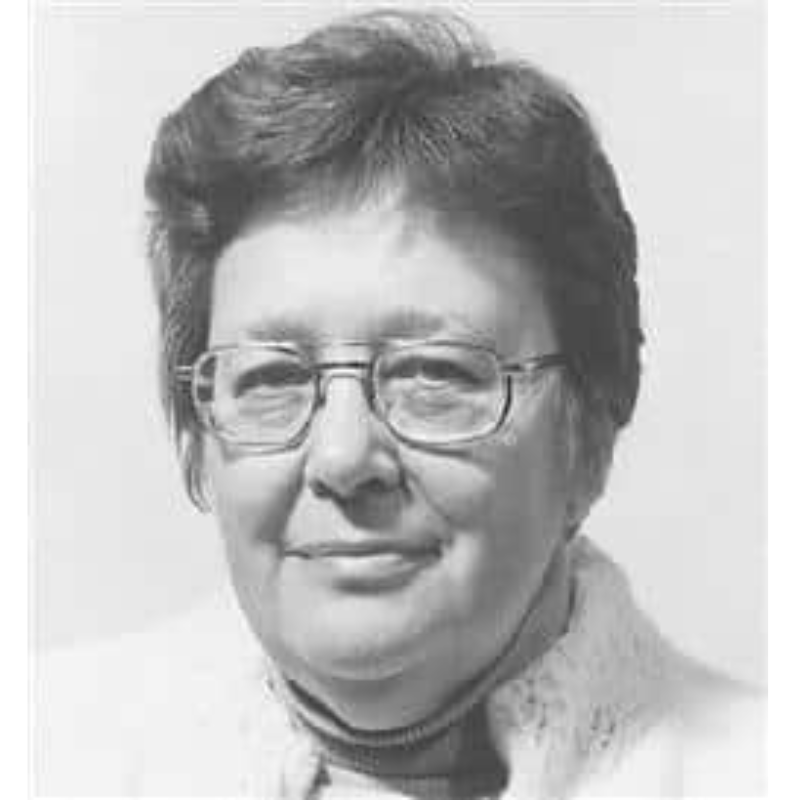
Myra Estrin Levine. Source: Nurselabs
Myra Estrin Levine Theory: What Is it?
At its core, Levine’s Conservation Model is about helping patients adapt to stress and preserve what’s essential to recover physically, emotionally, and socially. Through her work as a clinician and educator, Levine recognized that healing — often a physically and emotionally draining process — relies on a patient’s internal reserves of energy and other vital aspects. She suggested that it’s the role of a nurse to help patients conserve what’s essential to support adaptation and restore the patient’s overall integrity.`
Levine first developed her theory in the 1960s but continued to refine it until 1989. Her ideas were inspired by both biological and systems theories — especially the scientific principle of conservation, which states that certain physical quantities remain constant in an isolated system, even as changes occur within that system. She applied this concept to nursing by asking: How can we help patients conserve their strength while adapting to change?
To really understand Levine’s theory, it helps to understand the following key terms:
| Key Term | Description |
|---|---|
| Adaptation | The ability to maintain integrity when going through the process of change. As Levine explained, the achievement of adaptation is “the frugal, economic, contained, and controlled use of environmental resources by the individual in his or her best interest.” Each person has a unique range of adaptive responses that evolve with age and can be challenged by illness. |
| Conservation | The result of successful adaptation. It’s how individuals continually protect their sense of wholeness — finding the most efficient, energy-saving ways to handle change while preserving their identity and individuality. |
| Wholeness | Seen as something that exists when a person’s interactions with their environment allow them to maintain their integrity. In Levine’s view, wholeness is health and the goal of adaptive change. |
Myra Estrin Levine Theory Summary
1. Conservation
Central to this theory are four conservation principles, which provide a framework for nurses to focus their care on the areas of a patient’s life that are most vulnerable during illness:
- Energy: Help patients manage their strength through rest, nutrition, and reducing unnecessary stress so they can heal efficiently.
- Structural integrity: Protect and restore the body by preventing injuries, supporting wound healing, maintaining mobility, and more.
- Personal integrity: Preserve the patient’s mental and emotional well-being, including a sense of self-worth and self-esteem.
- Social integrity: Ensure that patients maintain meaningful connections with family, friends, and their community.
Levine stressed that these four principles do not work in isolation. Instead, they are interconnected and dynamic — changes or stressors in one domain (e.g., energy depletion or conflict within family) often influence others (e.g., structural and personal issues).
Practical tip: Assess each patient holistically and identify which area is most at risk. For example, for a fatigued patient (energy), schedule rest periods and nutritious meals; for an isolated patient (social integrity), arrange virtual visits with family or spend an extra five minutes talking to them.
2. Types of Environment
Levine viewed the environment as a critical factor influencing a person’s ability to adapt. She viewed the environment not as something separate from the individual, but as a constant, interactive force that can either support or challenge the person’s integrity.
In her theory, there are two types of environments that nurses must consider when planning care:
- Internal environment: Refers to the person’s inner world — the physiological and psychological processes that keep the body and mind in balance. Assessing things like circulation, oxygenation, emotional stability, and coping mechanisms can give you clues about a patient’s internal environment.
- External environment: Includes all the physical, chemical, and biological factors surrounding a person, such as temperature, noise, air quality, and potential hazards. It’s the nurse’s role to modify these factors when possible — for instance, by ensuring their patients’ rooms are noise-free, safe, and clean.
The patient’s external environment can be further subdivided on several important constituents:
- Perceptual environment: Includes the aspects of the environment that the patient can perceive and control. Examples include choosing a comfortable position in bed to rest, maintaining cleanliness, or adjusting room temperature.
- Operational environment: Contains factors outside the patient’s direct awareness or control that still affect their health. This includes pollution, noise, germs, and other unseen elements in the surroundings.
- Conceptual environment: Encompasses non-material influences such as spiritual beliefs, values, culture, and traditions. These elements shape how a person perceives health, illness, and recovery, and can provide meaning in the face of challenge.
Practical tip: Assess both the internal and external environment for each patient. For example, monitor vital signs and emotional state (internal), while ensuring the patient’s room remains safe and comfortable (external). Show you care by asking questions like, “Are you comfortable?” and “Is there anything we can do to make your room more comfortable for you?”
3. Adaptations and Organismic Responses
In addition to the four conservation principles, Levine’s theory explains that patients respond to illness and injury through adaptation and organismic responses — natural ways the body and mind work together to protect integrity and restore balance.
Myra Estrin Levine described three main features of adaptation:
- Historicity: Responses are shaped by past experiences and reappear when similar challenges arise.
- Specificity: Some responses are built into our genetic makeup, unique to each individual.
- Redundancy: Humans can evaluate situations and choose from multiple possible responses based on experience and learning.
Organismic responses, on the other hand, are automatic, built-in reactions that help defend the body and promote survival. Here are the four types of organismic responses:
- Fight-or-flight response prepares the body to confront or escape perceived threats.
- Inflammatory response directs healing fluids and immune cells to injured areas.
- Stress response releases hormones like adrenaline and cortisol to help the body cope.
- Perceptual response gathers and processes the information through the mind to guide the body’s next move.
Together, these adaptive and organismic responses form the body’s natural toolkit for maintaining wholeness and stability — the very essence of Levine’s Conservation Model.
Practical tip: Use Levine’s adaptation framework to create personalized care plans that anticipate how patients will respond to stress or illness. For example, when admitting a patient, consider asking about past experiences with similar conditions to predict likely coping strategies.
4. Integrity
The heart of Levine’s theory is integrity — the idea that individuals strive to maintain their unique identity and stability, even in the midst of change. In this model, nurses are not just caregivers but facilitators of adaptation — professionals who help patients use their energy wisely, protect their bodies, honor their sense of self, and help nurture supportive relationships with others.
Practical tip: Preserve each patient’s individuality by honoring their personal routines, choices, and preferences in daily care.
Myra Estrin Levine Conservation Model: Nursing Metaparadigm
Similar to other major nursing theories, Levine’s Conservation Model is organized around four central ideas — the key components of the nursing metaparadigm:
- Person: Individuals are viewed as holistic beings — sentient, thinking, and future-oriented, yet aware of their past. Each person is in constant interaction with their environment, responding to change in a way that is unique to them. According to Levine, the person can represent not only an individual but also a family, a group, or a community.
- Environment: This includes both internal and external factors that continuously interact with one another. When the balance between the external and internal environments is disrupted, illness occurs.
- Health: Understood as a pattern of adaptive change, health is viewed as a dynamic state in which a person maintains wholeness and integrity through continual adaptation in a changing environment. It’s not merely the absence of disease, but the ability to function meaningfully in everyday roles and relationships.
- Nursing: Seen as a human interaction, this refers to a partnership between nurse and patient that supports adaptation and preserves integrity when a person can no longer do so on their own.
Myra Estrin Levine Biography
Born on December 12, 1920, in Chicago, Illinois, Myra E. Levine entered a world of hardship — her twin sister did not survive, and her family struggled financially during the Great Depression. Her father, Julius Jay Estrin, suffered from chronic gastrointestinal illness, which contributed significantly to her interest in health care and nursing.
Levine started her nursing education by earning her nursing diploma from Cook County School of Nursing in 1944 — simply because she couldn’t afford a comprehensive program. The same year she also got married to Edwin Levine. Despite financial challenges, she completed her bachelor’s in nursing at the University of Chicago in 1949 and later a master’s at Wayne State University. Her early career included clinical roles in geriatric and surgical nursing, where she saw firsthand the critical impact nurses have on patient recovery.
When her husband accepted a teaching position at the University of Chicago, Levine joined the faculty at the University of Illinois, and discovered a true calling in teaching. For the next 30 years, she dedicated herself to nursing education, often designing entirely new courses and curricula to prepare students for the realities of clinical practice.
These experiences ultimately shaped her Conservation Model of Nursing, a theory that remains a cornerstone of nursing practice, reminding the profession that compassionate care is always at the heart of healing. Levine remained active throughout her life, serving as a professor at multiple Chicago-area universities, including Loyola University. Even after retiring in 1987, she continued consulting and speaking at conferences.
Myra Levine passed away on March 20, 1996, in hospice care in Illinois, leaving behind a legacy that continues to inspire nurses today.
Check Out More Nursing Theories
Interested in learning more about nursing theories and how you can apply them today in your practice? From grand theories to middle-range theories, here’s a look at some of the most influential nurse theorists and their groundbreaking ideas.
- Dorothea Orem
- Faye Abdellah
- Florence Nightingale
- Jean Watson
- Lydia Hall
- Madeleine Leininger
- Margaret Newman
- Patricia Benner
- Virginia Henderson
Ready to Upgrade Your Nursing Career?
Myra Estrin Levine showed how nurses can transform lives — now it’s your turn. Tell us what type of job you’re looking for and we’ll help you to discover nursing opportunities that match your skills, goals, and lifestyle. Learn how IntelyCare can find job matches tailored to your needs.