Nurses to Know: Mary Breckinridge, Founder of the Frontier Nursing Service

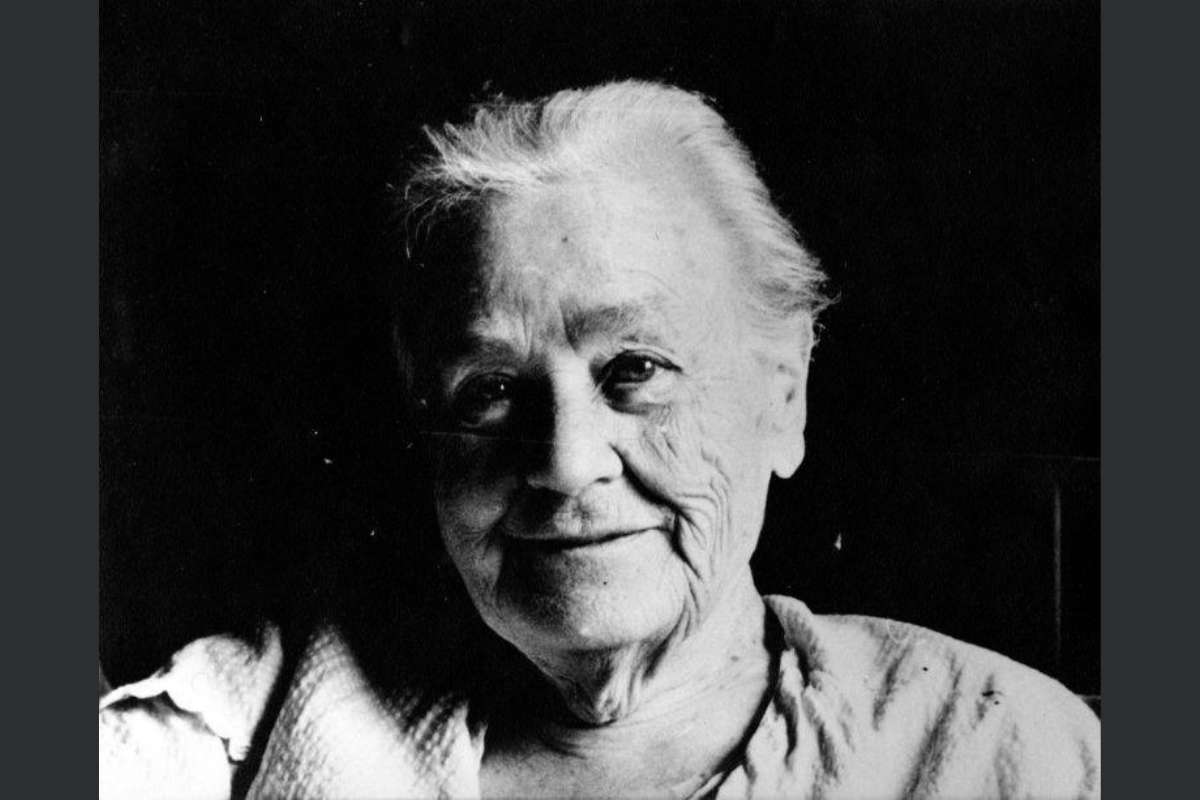
Before modern hospitals reached America’s most remote communities, one nurse refused to accept that geography should determine survival. Mary Breckinridge, a visionary public health nurse and midwife, transformed maternal and infant care in the isolated mountains of Appalachia by bringing skilled nursing directly to those who needed it most — on horseback, through rugged terrain, and against daunting odds.
But who was the woman behind the Frontier Nursing Service (FNS), the nation’s first rural mother-baby healthcare organization? This article explores Breckinridge’s extraordinary journey, the legacy she built, and why her mission continues to matter today.
Who Is Mary Breckinridge?
Early Life
Mary Carson Breckenridge was born on February 17, 1881, in Memphis, Tennessee, the daughter of Katherine Carson and Clifton Rhodes Breckinridge, a powerful political figure in his own right. Her grandfather, John C. Breckinridge, had served as Vice President of the U.S. under James Buchanan, and her father served in Congress as a Representative from Arkansas, minister to Russia, and commissioner of Indian affairs.
Raised among diplomats and lawmakers, Mary’s childhood unfolded between private tutors and elite schools, preparing her for a life of privilege — though fate had other plans.
At just 23 years old, Mary married Henry Ruffner Morrison, but the promise of young marriage was shattered when he died only two years later. In the wake of that loss, a turning point emerged: the illness and death of a friend’s child. That loss reshaped her life. Determined to save lives, Mary enrolled at St. Luke’s Hospital School of Nursing in New York City, graduating in 1910.
Mary’s life soon took another turn when she married Richard Ryan Thompson, president of Crescent College and Conservatory for Young Women in Eureka Springs, Arkansas. For two years, Mary taught French and hygiene, shaping young women’s minds while quietly enduring personal heartbreak. She gave birth to two infants — neither of whom survived childhood. The relationship ultimately ended in divorce in 1920, closing yet another chapter of loss.
But tragedy did not silence Breckinridge — it sharpened her resolve. After leaving her husband, she returned fully to nursing, stepping into leadership during one of the nation’s darkest public health crises — the influenza epidemic.
Early Nursing Career
When the influenza epidemic of 1918 swept across the nation, Breckinridge did not hesitate. She supervised nurses on the front lines, confronting widespread illness, death, and the limits of existing healthcare systems. The experience deepened her resolve and clarified her calling — nursing was her mission.
Following World War I, she traveled to Europe to work with the American Committee for Devastated France, where she organized programs to support malnourished children, nursing mothers, and pregnant women in communities shattered by war. The countryside she encountered bore little resemblance to her privileged upbringing. Villages were in ruins. Children were malnourished. Pregnant women labored without medical help. Here, Breckinridge was not just a nurse — she was also a lifeline.
While in France, she became acquainted with British nurse-midwives, witnessing firsthand how skilled midwives could dramatically reduce maternal and infant mortality in rural communities. Inspired, she realized that rural America faced similar challenges: Mothers and babies often had little or no access to trained healthcare providers.
Determined to bring these solutions home, she went to London to study midwifery at the British Hospital for Mothers and Babies and spent time with the Highlands and Islands Medical and Nursing Service in Scotland, a rural healthcare model that would later serve as the blueprint for her own work in the U.S.
Upon returning to the U.S., Breckinridge deepened her expertise by studying public health nursing at Teachers College, Columbia University. It was here that her purpose crystallized: improving the health of children, ensuring safe childbirth, and developing a system of rural healthcare that could reach even the most isolated communities.
Founding the Frontier Nursing Service
In 1925, Breckinridge put her vision into action by founding the Kentucky Committee for Mothers and Babies, soon renamed the Frontier Nursing Service. She chose the rugged, mountainous region of southeastern Kentucky, where access to medical care was nearly nonexistent.
The FNS was built around a small hospital supported by outpost clinics, each located within a five-mile horseback ride. These outposts were staffed by nurse-midwives who provided prenatal care, attended births in patients’ homes, serving an average of 250 families per outpost.
Beyond birth care, FNS nurses held immunization clinics and educated families on sanitation, clean water, and disease prevention. Until 1939, most of the nurse-midwives were British-trained. When World War II forced many of them to return home, Breckinridge founded the Frontier Graduate School of Midwifery, now known as Frontier Nursing University, ensuring a pipeline of skilled American nurse-midwives to continue the mission.
By 1958, the FNS had delivered over 10,000 babies, with results that stunned the nation. Maternal deaths fell to just 9.1 per 10,000 births, far below the U.S. average of 34 per 10,000, and low-birth-weight babies were almost half as common — a powerful testament to the life-changing care they were provided. In total, the FNS has now reached more than 64,000 rural mothers, children, and families.
Later Work and Legacy
Breckinridge’s dedication did not wane with age. She never truly retired from the work she loved — she worked right up until the end of her life. Under her leadership, the FNS became a model for rural healthcare in the U.S. and the rest of the world.
She continued to grow the organization for 40 years, serving as its director until she died on May 16, 1965, at the age of 84. She left behind more than an organization — she left a lifelong example of what one nurse with vision, skill, and heart can do.
What Did Mary Breckinridge Do? Continued Legacy
Breckinridge earned countless honors for her work. France awarded her the Medaille de la Reconnaissance Française for her humanitarian efforts, and back home in the U.S. she was inducted into the American Nurses Association Hall of Fame and the National Women’s Hall of Fame, cementing her legacy as one of the most influential figures in nursing history.
She shared her story in her book, Wide Neighborhoods (1952), capturing the spirit and struggles of the FNS. Her legacy even made its way into history and art: The U.S. Postal Service honored her with a Great Americans stamp, and a bronze statue in Hyden, Kentucky, celebrates her famous horseback rides bringing care to mothers and babies.
Get Inspired by Famous Nurses
Want to keep exploring the incredible work of nurses through history? These stories will inspire you:
- Betty Mae Tiger Jumper
- Faye Wattleton
- Lillian Wald
- Linda Richards
- Mary Ann Bickerdyke
- Mabel Keaton Staupers
- Mary Seacole
- Ruby Bradley
- Susie King Taylor
Build an Impactful Nursing Career
Inspired by Mary Breckenridge? Turn inspiration into action. IntelyCare helps you find quality nursing roles that match your skills, your life, and your ambition — start today!
Image source: frontier.edu