Nurses to Know: Mary Ann Bickerdyke, Civil War Nurse and Advocate for Veterans

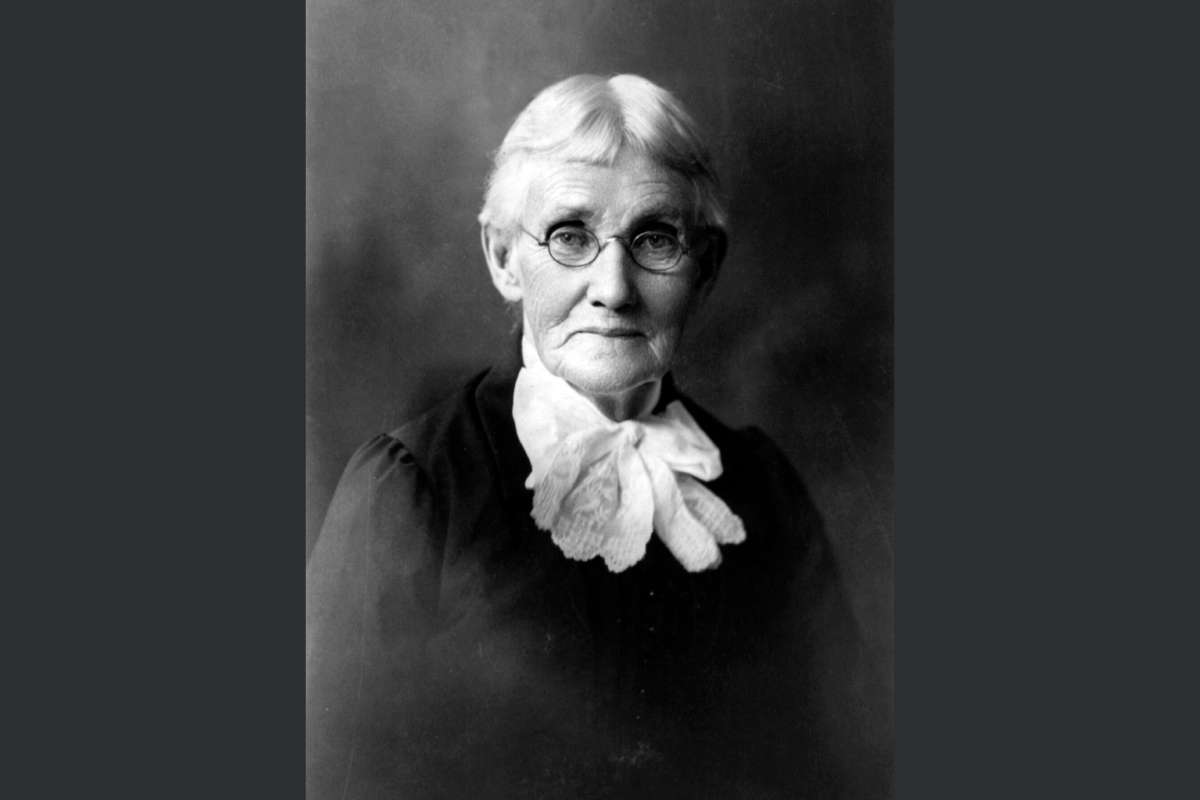
Before nursing had textbooks, training programs, or uniforms, Mary Ann Bickerdyke was already defining the profession. As a Civil War nurse, she transformed overcrowded tents and barns being used as field hospitals into places of healing by insisting on cleanliness, proper nutrition, and humane treatment for wounded soldiers. Her dedication earned her the nickname Mother Bickerdyke and cemented her legacy as one of the country’s most influential nurses.
But who really was this remarkable woman , and how did she change the course of nursing history? Read on to explore the story of a trailblazer whose hands saved countless lives and whose legacy still echoes today.
The Life of Mary Ann Bickerdyke
Early Life
Born on July 19, 1817, in Knox County, Ohio, Mary Ann Ball (Bickerdyke after marriage) began life in humble circumstances on her parents’ farm. Tragedy struck early when her mother died before Mary Ann reached her second birthday. As a result, she and her sister were sent to live with their grandparents, also in Ohio, where they spent much of their early childhood.
When her grandparents passed away, Mary Ann went to live with her uncle. Beyond these fragments, few details of her early life have survived. Although some accounts claim that Mary Ann attended Oberlin College or assisted with the Underground Railroad, historians have found no solid evidence to support these stories.
In 1847, Mary Ann married Robert Bickerdyke, and the couple settled in Cincinnati. Together they had two sons. As Robert’s health declined, the family was forced to move frequently in search of a better climate, first relocating to Iowa and later to Illinois. In 1859, Robert passed away, leaving Mary Ann to support herself and her children alone. During this challenging period, she began developing her skills as a botanic physician, treating illnesses with herbs, plants, and alternative remedies.
Early Nursing Career
The outbreak of the Civil War in 1861 would change Mary Ann Bickerdyke’s life forever. When Reverend Edward Beecher — her church minister and the brother of Uncle Tom’s Cabin author Harriet Beecher Stowe — called on the congregation to help Union soldiers stationed in Cairo, Illinois, the town rallied, collecting $500 worth of medical supplies. But they needed someone brave enough to deliver them. Bickerdyke, after making sure her sons were cared for, stepped up.
What she found in Cairo shocked her to the core. Soldiers lay sick and wounded in squalid, disease-ridden conditions. Filth was everywhere. Chaos ruled. She didn’t hesitate — quickly organizing sanitation, setting up nursing care, and bringing order to the camp.
Dr. Benjamin Woodward, superintendent of the general hospital at Cairo, vividly recalled Bickerdyke’s arrival:
“At first the men ridiculed her, but her cheerful temper took no offense, for she knew she was right; but woe to the man who insulted her. Her first requisition was for bathing-tubs; these were made from half-hogsheads and barrels. She organized the nurses, saw that all the sick were cleaned, and, as far as possible, given clean underclothes. A special diet-kitchen was established, and a great change for the better was soon seen in the patients. As a rule, she hated officers, looking on them as natural enemies of the enlisted men.”
Post-War Nursing
Bickerdyke’s contributions did not end with the Civil War’s final battles. After 1865, she devoted herself to supporting the veterans whose lives she had helped save, assisting them in applying for federal pensions and ensuring they received the benefits they had earned through their service. In many cases, she worked to secure pensions not only for the veterans themselves but also for the more than 300 women who had served as nurses during the war.
She also worked with the Chicago Home for the Friendless, an organization dedicated to aiding those in need, and later opened a boarding house in Salina, Kansas, as part of efforts to help veterans resettle on farmland in the West. In 1874, Bickerdyke moved to Kansas to be near her sons, where she once again answered a call for help — this time assisting communities devastated by a widespread locust plague.
In 1876, Bickerdyke relocated to San Francisco, where she took a job at the U.S. Mint. She poured her energy into the Salvation Army and other relief organizations, continuing her lifelong mission to help those in need. She remained a tireless advocate for Civil War veterans, traveling frequently to Washington, DC, to press pension claims. Congress ultimately granted her a pension of $25 per month in 1886.
A year later, she returned to Kansas, where she spent her final years. Mary Ann Bickerdyke died on November 8, 1901, in Bunker Hill, Kansas — but her story was far from over.
Mary Ann Bickerdyke: Major Contribution to Nursing
Bickerdyke’s career helped lay the foundation for the professionalization of nursing in the U.S. Over the course of the Civil War, she helped establish or improve nearly 300 hospitals, transforming chaotic, disease-ridden field hospitals into centers of care where wounded soldiers received proper nutrition, hygiene, and compassionate attention. Soldiers and commanders alike recognized her effectiveness; she earned nicknames like Mother Bickerdyke and was widely respected for her tireless dedication.
Her extraordinary contributions are honored through multiple memorials. In Galesburg, Illinois, a bronze statue created in 1906 depicts her kneeling beside a wounded soldier, symbolizing her courage and compassion on the battlefield. The U.S. government also honored her influence on military medicine by naming a World War II hospital ship, the SS Mary Bickerdyke. Even modern landmarks, such as the Bickerdyke Bridge, stand as a daily reminder of her enduring presence in the community.
As chief of nursing, she didn’t let strict military rules get in the way of doing what was right for the soldiers. Officers who tried to stop her quickly learned she wasn’t someone to mess with. General William T. Sherman famously threw up his hands and said, “I can’t do a thing in the world. She ranks me!” Other commanders even called her the “Brigadier Commanding Hospitals” and one of Sherman’s “best generals,” reflecting the unique authority she wielded on the battlefield despite being a woman.
Get Inspired By Famous Nurses
Want to read more inspiring stories about trailblazing nurses? Explore our articles on other famous figures in nursing history:
- Clara Barton
- Edith Cavell
- Dr. Ildaura Murillo-Rohde
- Florence Nightingale
- Harriet Tubman
- Lillian Wald
- Linda Richards
- Mary Eliza Mahoney
- Mary Seacole
- Ruby Bradley
Ready to Start an Impactful Nursing Career?
The legacy of Mary Ann Bickerdyke shows what one nurse can achieve. Start your own journey today with IntelyCare — explore quality nursing jobs across the country and create a career that truly matters.