Lydia Hall Nursing Theory Overview and Examples


In an era where medical care can feel rushed and impersonal, Lydia Hall offers a timeless reminder that healing needs human connection, not just medical intervention. Hall’s “Care, Core, and Cure” theory defines nursing as an amalgamation of three essential responsibilities: care (meeting basic needs), core (providing emotional support), and cure (delivering medical care). Together, they create a patient‑centered approach that supports healing of the whole person — body, mind, and spirit.
So, what is the Care, Core, and Cure nursing theory exactly, and how can you apply it today? In this article, we’ll explore the key principles of Hall’s theory and share practical insights to help you integrate it into your practice.
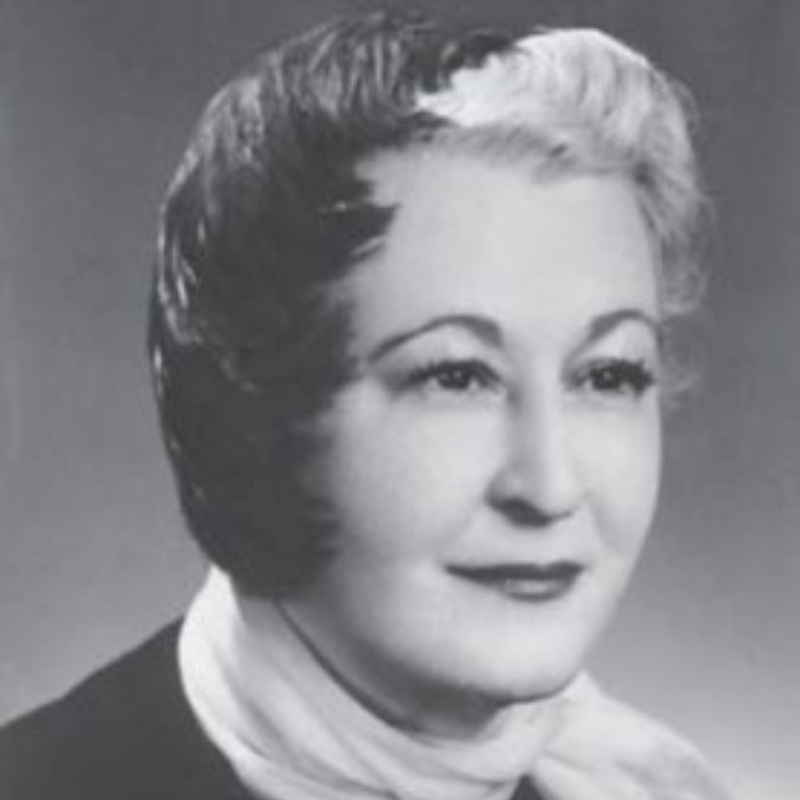
Lydia Hall. Source: YorkBlog.com
Lydia Hall Nursing Theory: What Is it?
Developed in the mid‑20th century, Hall’s Care, Core, and Cure is a middle-range nursing theory that challenged the idea that nursing was simply about following medical orders. Instead, it frames nursing as a distinct discipline that blends three sets of tasks aimed at addressing patients’ physical, emotional, and medical needs.
What makes Hall’s theory stand out is its clear definition of nursing, which she organizes into three interrelated components:
- Care: Meeting the patient’s basic physical needs, such as hygiene, nutrition, comfort, and safety.
- Core: Addressing the patient’s emotional needs, such as helping them feel understood and supported.
- Cure: Working collaboratively with physicians and other members of the healthcare team to provide medical treatments to address the patient’s illness or disease.
Visually, this model can be represented in three overlapping circles — care, core, and cure — that represent the physical, emotional, and medical aspects of care. The size and overlap of these circles depend on the patient’s condition and needs, showing the adaptable nature of nursing care.
Lydia Hall: Biography
Born in New York on September 21, 1906, Lydia Eloise Hall grew up in a medical family, with her father working as a surgeon. Her nursing journey began in Pennsylvania, where she completed a diploma program at the York Hospital School of Nursing.
Driven by a passion for learning and a vision for improving patient care, Hall advanced her education at Teachers College, Columbia University, earning a bachelor’s degree in public health nursing in 1937 and a master’s degree in the teaching of natural life science in 1942.
Between 1930 and 1935, Hall’s career took her through a diverse range of experiences in Pennsylvania and later in New York. She worked as a research nurse, a staff nurse, a nurse supervisor, and even as a life insurance company representative — each role shaping her understanding of nursing and patient care.
By 1947, Hall had already made her mark in nursing education, taking on faculty positions at the York Hospital School of Nursing and Fordham Hospital School of Nursing. She later became an executive assistant at the New York Heart Association and, in 1950, took on a teaching and research role at Teachers College. Her career also extended to important public health work with the U.S. Public Health Service (PHS).
Her greatest contribution came in 1960 when she became a director of the Loeb Center. The center employed only professional nurses to provide all direct patient care — a revolutionary concept that emphasized nursing as a therapeutic, rather than merely supportive, profession.
An equal number of nurses worked days and evenings, allowing patients to choose treatment times based on their fatigue levels and personal rhythms. This approach ensured therapeutic activities were planned around the patient’s own assessment of need rather than staff convenience.
Under Hall’s leadership, the Loeb Center became a living laboratory for her Care, Core, and Cure theory — a place where nursing was not merely about treating illness, but about treating the whole person. Hall served as administrative director of the Loeb Center until her death in February 1969, leaving behind a lasting legacy that continues to influence nursing education and practice today.
Lydia Hall Nursing Theory: Main Assumptions
Hall’s theory is grounded in several key assumptions that reflect her view of the patient and the nurse’s role in the healing process. Here are the core ideas of her theory:
1. Healing Energy Comes From the Patient, Not the Nurse
Hall believed that the motivation and energy for healing already exist within the patient. The nurse’s role is to support, guide, and facilitate this process — not to fix the patient. The nurse simply helps the patient tap into their own capacity for recovery.
2. The Three Aspects of Nursing Are Interrelated
The components of care, core, and cure should not be seen as separate tasks. Instead, they work in harmony, each shaping and strengthening the other. For example, providing physical comfort through proper positioning and hygiene (care) can help a patient feel more relaxed and open to discussing their fears (core), which in turn can improve cooperation with medical treatments (cure).
3. The Three Aspects Change as the Patient Progresses
Hall viewed patient care as a dynamic process. As patients move through different stages of illness and recovery, the emphasis on each circle — care, core, or cure — shifts. For example, in acute stages of disease, the cure circle may be the priority; during recovery, the care and core circles may take center stage.
Hall’s Theory: Major Concepts
Hall’s theory rests on four key elements, each offering a unique lens through which to view the healing process. Here are the main concepts of the Care, Core, and Cure theory:
Individual
In Hall’s framework, the individual — not the illness — is the true focus of nursing care. Her theory centers on adults aged 16 and older who are beyond the acute stage of illness. Hall viewed patients as active participants in their healing, capable of learning, growing, and contributing to their own recovery.
Practical tip: Hall believed every patient already carries the energy needed for healing, and that it’s the nurse’s role to help them discover it. Inspire your patients to trust their body’s inner healing abilities, remind them of their strength and resilience, and support them in making decisions about their care so they feel ownership of their healing journey.
Health
Hall described health as a state of self-awareness in which individuals consciously make choices that support their own well-being. Instead of defining health as merely the absence of disease, she saw it as an active, ongoing process of growth and self-discovery.
Practical tip: Encourage self‑reflection as part of the healing process. Listen with intention and gently mirror your patients’ thoughts and feelings, using open‑ended questions to help them uncover deeper insights about their emotions, values, and choices.
Society and Environment
Hall also acknowledged that the environment plays an important role in the patient’s healing journey. She believed that traditional hospital settings often created psychological stress for patients recovering from illness.
Practical tip: Create a healing environment that supports the patient’s comfort and emotional well-being. Minimize unnecessary noise, encourage natural light when possible, keep the space tidy, and allow personal items such as photos or blankets if possible.
Nursing
According to Hall, nursing is a blend of three essential functions — care, core, and cure — that together shape the nurse’s role in supporting the patient’s healing journey.
Practical tip: When caring for a patient, intentionally balance the three aspects of Hall’s theory. For example, during routine tasks like giving medication, make time to ensure the patient feels physically cared for and emotionally supported, to cover all three circles in a balanced way.
Shape the Future of Nursing — Starting with Your Career
Like Lydia Hall, you can transform patient care and grow your career. IntelyCare helps you find quality nursing positions that align with your values, goals, and lifestyle. Sign up today to start receiving personalized job matches.