Katharine Kolcaba: Comfort Theory Nursing Overview


When nurse theorist Katharine Kolcaba began exploring what truly helps patients heal, she realized comfort wasn’t just a pleasant bonus that earns hospitals five-star reviews — it was also a vital part of the recovery itself. Through her research, she found that patients who felt physically at ease, emotionally supported, and spiritually connected experienced less pain, lower anxiety, and greater satisfaction with their care. Plus, she transformed comfort from a vague ideal into a measurable outcome — one that you, as a nurse, can intentionally apply in your own practice.
Interested in Kolcaba’s Comfort Theory? This article provides an in-depth look at the theory, its practical use, and the life of the visionary theorist who created it.
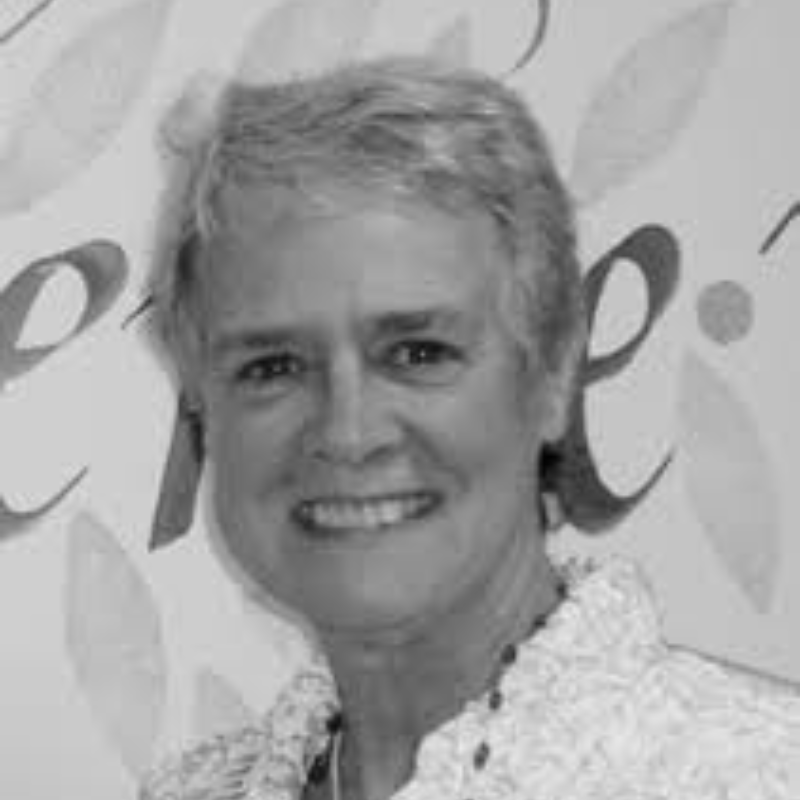
Image source: Nurse Key
Overview: Katharine Kolcaba Nursing Theory
The Comfort Theory developed by Kolcaba is a middle-range nursing theory that emphasizes the importance of patient comfort as a fundamental aspect of care. Introduced in the 1990s, the theory defines three primary forms of comfort:
- Relief, defined as the state of having a specific comfort need met
- Ease, defined as the state of calm or contentment
- Transcendence, defined as the state in which one can rise above problems or pain
These three forms of comfort are experienced across four contexts:
- Physical comfort refers to the satisfaction of bodily needs and sensations, such as relief from pain, nausea, or other discomforts.
- Psychospiritual comfort involves addressing psychological and spiritual needs, nurturing self-worth, life meaning, and one’s sense of connection to something greater.
- Environmental comfort refers to conditions in the surroundings that promote well-being, such as safety, cleanliness, absence of noise, and privacy.
- Sociocultural comfort refers to the sense of ease and well-being derived from healthy interpersonal relationships, cultural identity, and community support.
The interplay of the three types of comfort and four contexts forms a taxonomic structure consisting of 12 cells that represent all the ways patients’ needs can be met. This chart is used by care teams to track the measures being taken to address a patient’s comfort in each category.
| Relief | Ease | Transcendence | |
|---|---|---|---|
| Physical | |||
| Psychospiritual | |||
| Environmental | |||
| Sociocultural |
Katharine Kolcaba Biography
Kolcaba was born on December 28, 1944, in Cleveland, Ohio. She completed her high school education at Mayfield High School in Mayfield Heights, Ohio, graduating in 1962. This was during a period when nursing was changing but hadn’t fully embraced the compassionate-care model it values today.
Her nursing journey began in 1965 with a diploma from St. Luke’s Hospital School of Nursing. Two decades later, in 1987, she earned her master’s degree from the Frances Payne Bolton School of Nursing at Case Western Reserve University.
A decade after that, in 1997, Kolcaba earned her Ph.D. in Nursing and completed a Certificate of Authority as a clinical nursing specialist (CNS). Her studies focused on gerontology, end-of-life care, long-term care interventions, comfort studies, instrument development, nursing theory, and nursing research. These fields would later form the foundation of her pioneering work.
From these experiences, Kolcaba developed what became the Comfort Theory. She first tested it with women facing third-stage breast cancer who were undergoing radiation and chemotherapy, looking for ways to define, measure, and improve comfort in care. Later, she expanded her research to include people with urinary incontinence and those nearing the end of life — showing that comfort is not just a nice extra, but an important part of healing.
Today, the Comfort Theory has found relevance across a wide range of nursing specialties:
- Gerontological nursing
- HIV/AIDS care
- Hospice care
- Holistic and complementary therapies
- Mental health nursing
- Nursing research
- Nursing theory
- Oncology nursing
- Palliative care
- Pediatric nursing
- Skilled and extended care
- Rehabilitation nursing
- Spiritual care
- Symptom management
Katharine Kolcaba Comfort Theory Process
You might be wondering — how does this process actually work in practice? Here are the steps to applying the Comfort Theory:
- Healthcare professionals identify any unmet comfort needs of patients or their families. These needs can arise from physical discomfort, emotional distress, environmental factors, or social challenges.
- They design targeted interventions to meet those needs, whether that means creating a calmer environment, addressing a physical need, or offering emotional support.
- Comfort levels are assessed before and after the interventions. Kolcaba emphasized that comfort can and should be assessed as a measurable outcome, using validated tools such as the General Comfort Questionnaire (GCQ).
- When comfort improves, patients and families are more likely to engage in health-seeking behaviors (HSBs) — a term Kolcaba used to describe the positive actions people take toward maintaining or improving health.
- As these positive behaviors increase, the overall integrity of the healthcare institution is strengthened — reflected in better patient satisfaction, improved outcomes, and stronger nurse-patient relationships.
Key Assumptions of Kolcaba’s Comfort Theory
Kolcaba’s nursing theory is grounded in several fundamental assumptions — the main ideas that explain what the theory is about and how it applies to real-life nursing. Here’s a quick look at its key points:
1. Patients Respond to Complex Stimuli as Wholes
Patients face a variety of stressors beyond physical discomfort, including emotional distress, environmental disruptions, spiritual uncertainty, and cultural dissonance. These complex stimuli rarely occur in isolation — they overlap, interact, and influence one another.
Comfort itself exists in three forms — relief, ease, and transcendence — and across four contexts, making it a layered experience. For instance, managing post-operative pain can be enhanced through emotional reassurance, ensuring privacy, and honoring cultural needs, reflecting the multidimensional nature that’s central to Kolcaba’s taxonomic (12-cell) grid.
Application tips: Use concept mapping to document a patient’s comfort needs across all the domains, ensuring that care plans address all patient needs effectively.
2. Holistic Responses Exceed the Sum of Individual Stimuli
Kolcaba’s theory recognizes that every patient experiences comfort differently, shaped by personal history, cultural background, and health status. Comfort thresholds — the point at which a need must be met to restore well-being — vary from person to person. This means that two patients with the same condition may require completely different approaches to achieve comfort.
Application tips: Collaborate with social workers, chaplains, and other specialists to address overlapping comfort domains.
3. Whole Persons Do Not Disappear Into Ever-Larger Wholes
While individuals exist within broader systems such as families, communities, and cultures, Kolcaba’s theory asserts that each person retains a distinct identity and unique comfort needs. This assumption emphasizes that nursing care must recognize the individuality of the patient rather than treating them solely as part of a collective group. Respecting the uniqueness of each patient ensures that interventions are personalized and meaningful rather than generic or standardized.
Application tips: When doing patient assessments, take the time to really listen to their stories and personal reports. This gives you a deeper understanding of their perspective, helping you create comfort interventions that match their values, beliefs, and life circumstances.
Need Help Finding Your Next Job?
Ready to bring this nursing theory from Katharine Kolcaba to life in your career? IntelyCare can connect you with tailored nursing jobs that match your skills, passions, and lifestyle. Sign up today to explore opportunities designed for you.