How to Become a Pediatric Psych Nurse: 4 Steps

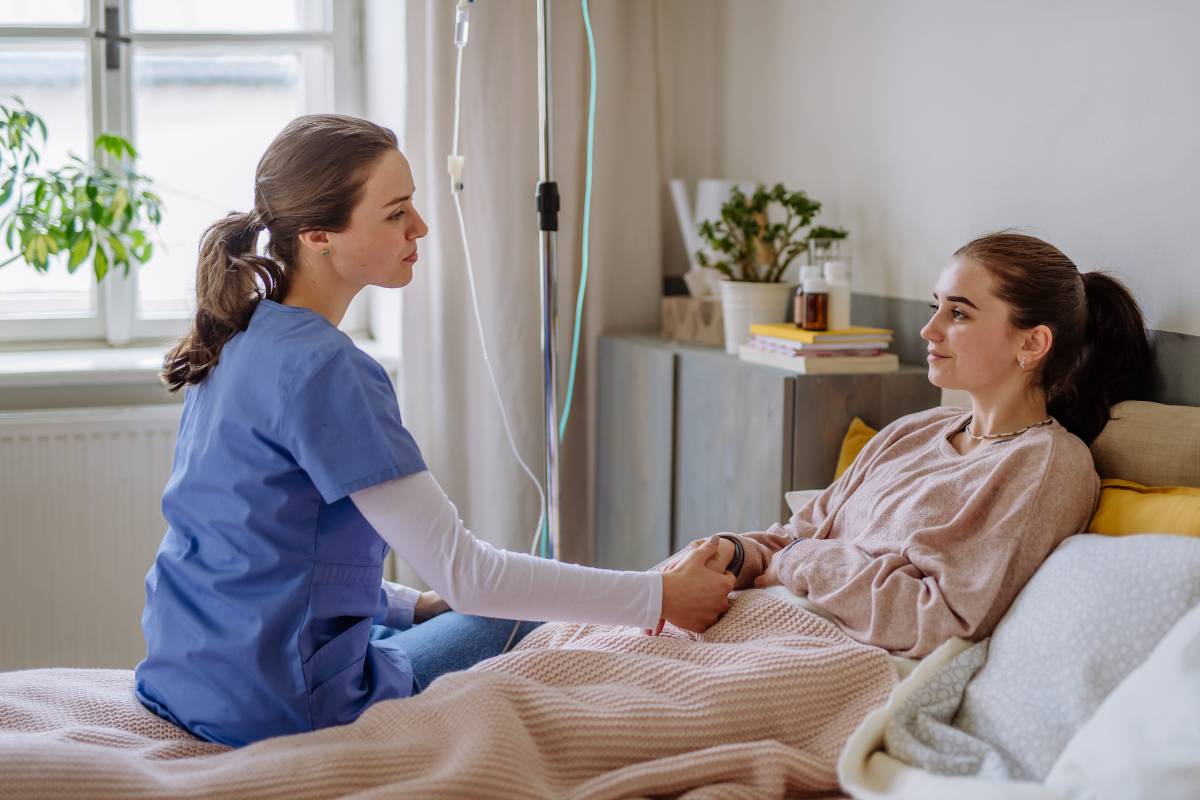
As a pediatric psych nurse, you’ll walk alongside kids and teens facing some of their darkest moments. You may be the person watching a 10-year-old pull at their sleeve to show you self-inflicted cuts and later sit shoulder‑to‑shoulder with a 17-year-old who finally admits they’re addicted to drugs.
With nearly half of U.S. adolescents experiencing a mental health disorder at some point during their lives and about 9% attempting suicide, your experience can help young patients transform pain into strength and develop healthy coping skills for a brighter future.
If you feel called to make a difference in this meaningful field of work, this article is your step-by-step guide on how to become a pediatric mental health nurse. From schooling and licensure to salaries and career opportunities, we’ve got you covered.
Pediatric Psych Nurse: Career Snapshot
- Mission: Support children and adolescents through mental health challenges.
- Responsibilities: Conduct mental health assessments, identify behavioral or emotional concerns, administer psychiatric medications, and develop care plans.
- Workplaces: Psychiatric hospitals, children’s hospitals, mental health clinics, and community health centers.
- Career path: Nursing degree followed by specialized training in psychiatric mental health.
What Is a Pediatric Psychiatric Nurse?
A psychiatric pediatric nurse is a specialized registered nurse (RN) who provides mental health care to children and adolescents, managing a range of psychiatric conditions, including anxiety, depression, and trauma-related disorders. Beyond hands-on care, this work is about building trust through therapeutic communication, active listening, and meeting patients with empathy, compassion, and non‑judgmental presence.
Thinking about the kinds of cases you’ll handle? Here’s a snapshot of the most common childhood psychiatric conditions in the U.S.:
- Attention deficit hyperactivity disorder (ADHD)
- Anxiety
- Behavior problems
- Depression
The patients you work with can greatly differ based on your subspecialty. An adolescent psych nurse may see more eating disorders and substance abuse cases, while a child mental health nurse may encounter more cases of autism spectrum disorders (ASD) and ADHD.
What Does a Pediatric Psych Nurse Do?
In a clinical setting, pediatric psychiatric nurses are responsible for assessing, diagnosing, and developing individualized care plans for patients under 21 years old. They collaborate with multidisciplinary teams, including psychiatric mental health nurse practitioners (PMHNPs), social workers, and therapists, to deliver comprehensive care, while also educating families and communities about mental health awareness and support.
Here’s a closer look at the common duties in pediatric psychiatric nursing:
| Key Responsibilities | Description |
|---|---|
| Conduct mental health assessments | Assess emotional, behavioral, and developmental needs specific to the patient’s age using tools like Children’s Depression Inventory (CDI) and Vanderbilt ADHD Diagnostic Rating Scale (VADRS). |
| Develop individualized care plans | Create treatment plans tailored to each child’s mental health challenges, developmental stage, and family context, integrating therapy, medication management, and new coping strategies. |
| Administer medications and treatments | Safely administer psychiatric medications or treatments prescribed by PMHNPs or psychiatrists. Monitor for side effects, adverse reactions, and therapeutic effectiveness. |
| Intervene during a crisis | Respond to acute situations such as suicidal ideation, self-harm, or aggressive behavior with de-escalation techniques and immediate stabilization. |
| Provide therapeutic communication | Use age-appropriate language, play therapy techniques, and active listening to build trust with children and teens who may struggle to express their feelings. |
| Teach healthy coping skills | Coach young patients in practical coping mechanisms like mindfulness, stress management, emotional regulation, and problem-solving. |
How to Become a Pediatric Psych Nurse? 4 Steps
Joining this meaningful nursing specialty takes time, training, and dedication — but if you’re passionate about supporting children through their toughest battles, here’s a step-by-step path into this specialty.
1. Get a Nursing Degree
The journey into any nursing specialty starts with getting a nursing degree from an accredited school. There are two types of programs to consider:
- Associate Degree in Nursing (ADN): A 2-year program that provides the foundational training needed to practice safely as a registered nurse
- Bachelor of Science in Nursing (BSN): A 4-year program, preferred by many employers, that offers a more comprehensive education, including leadership, research, and advanced clinical preparation
Keep in mind that you may be required to complete prerequisite courses and take a nursing entrance exam before being admitted. Be sure to check your school’s specific requirements.
Pro tip: Already have a degree in another field? You may be eligible for an accelerated RN program to fast-track your career.
2. Obtain Nursing Licensure
After completing your nursing education, you need to pass the National Council Licensure Examination for Registered Nurses (NCLEX-RN). This standardized exam evaluates your knowledge and skills gained in nursing school to determine if you’re prepared for real‑world patient care.
Once you pass, you’ll need to apply to your state board of nursing for your license to practice. Requirements vary by state and may include additional steps such as background checks, fingerprinting, or completing specific education courses.
Pro tip: Struggling with exam prep? Check out NCLEX prep courses that provide study strategies and targeted practice questions.
3. Gain Work Experience
Launching your nursing career doesn’t follow a single formula. Some nurses begin in broad specialties, such as med-surg nursing or progressive care, to build a strong foundation before specializing further. Others jump straight into their chosen field either through completing specialized internships or applying for entry-level jobs.
Before deciding what’s best for you, explore these related specialties that can help you develop relevant skills:
- Correction facility care
- Pediatric nursing
- Psychiatric nursing
- School nursing
- Substance abuse nursing
4. Pursue a Specialized Certification (Optional)
While certification isn’t always required to work as a pediatric psychiatric nurse, earning one can make you a stronger job candidate and demonstrate your expertise in the field. Two key certifications to consider are:
- Certified Pediatric Nurse (CPN): Offered by the Pediatric Nursing Certification Board (PNCB), this credential is available to RNs who accumulate at least 1,800 hours of pediatric nursing experience within the past 24 months. Alternatively, you can qualify by accumulating 5 years of experience, with at least 3,000 hours of pediatric nursing experience — including at least 1,000 hours within the past 24 months.
- Psychiatric-Mental Health Nursing Certification (PMH-BC): Administered by the American Nurses Credentialing Center (ANCC), this certification is open to RNs with at least 2 years of experience (a minimum of 2,000 hours) and 30 hours of continuing education in psychiatric nursing completed within the past 3 years.
Pro tip: While optional, these certifications can help you stand out in a competitive job market, increase your earning potential, and position you for leadership or advanced practice roles down the road.
Where Can Pediatric Psych RNs Work?
Choosing this specialty can lead you to many different environments, such as hospitals, prisons, treatment centers, and remote nursing jobs. Explore these ideas to envision where your career might take you:
- Addiction recovery facilities
- Children’s hospitals
- Community health centers
- Eating disorder recovery centers
- Juvenile detention centers
- Private practices
- Psychiatric hospitals
- Residential treatment centers
- Schools and educational settings
- Specialized mental health clinics
- Telehealth services
What Is a Typical Pediatric Psych Nurse Salary?
The average salary for registered nurses in the U.S. is $98,430 per year, or $47.32 per hour. Keep in mind, however, that salaries can vary significantly depending on factors such as education, certifications, experience, location, and specialized skills.
For nurses willing to relocate, these states offer some of the highest pay rates in the country:
FAQ: Pediatric Psych Nursing
How long does it take to become a pediatric psych nurse?
Overall, the journey to becoming a pediatric psychiatric RN typically takes between two and four years, depending on your chosen education path. The fastest way to become a nurse is to earn a two-year associate’s degree. Keep in mind that fulfilling admission requirements may require additional time, depending on your prior educational background.
Is it dangerous to work in mental health institutions?
Working in pediatric psychiatric settings can involve certain risks, including exposure to aggressive behaviors from patients. However, healthcare facilities implement various safety protocols, like secure unit design and alarm systems, to mitigate these risks. Additionally, you’ll be taught de-escalation techniques (e.g., CPI training) to navigate challenging situations effectively.
What challenges do pediatric psychiatric nurses face?
Managing family dynamics is a frequent challenge for nurses working in this specialty. Parents may expect a quick fix for their child’s behavior, but resolving a child’s emotional struggles generally requires a deeper, family-centered treatment approach.
What skills are essential for a psychiatric pediatric RN?
You’ll need a mix of heart and skill to work in this field. Great communication is key, especially using words and approaches that make sense to kids and teens. Additional soft skills you may find handy in this specialty include the following:
- Ability to set boundaries
- Cultural sensitivity
- Emotional resilience
- Patience and empathy
- Strong organizational skills
- Time management
Unlock Pediatric Psych Nurse Opportunities With IntelyCare
Ready for a job that fuels your passion? IntelyCare makes it simple to connect with the right opportunities. Sign up for personalized nursing job alerts and discover opportunities tailored to your skills, schedule, and career goals.