Nurses to Know: Betty Mae Tiger Jumper, the First Seminole Nurse

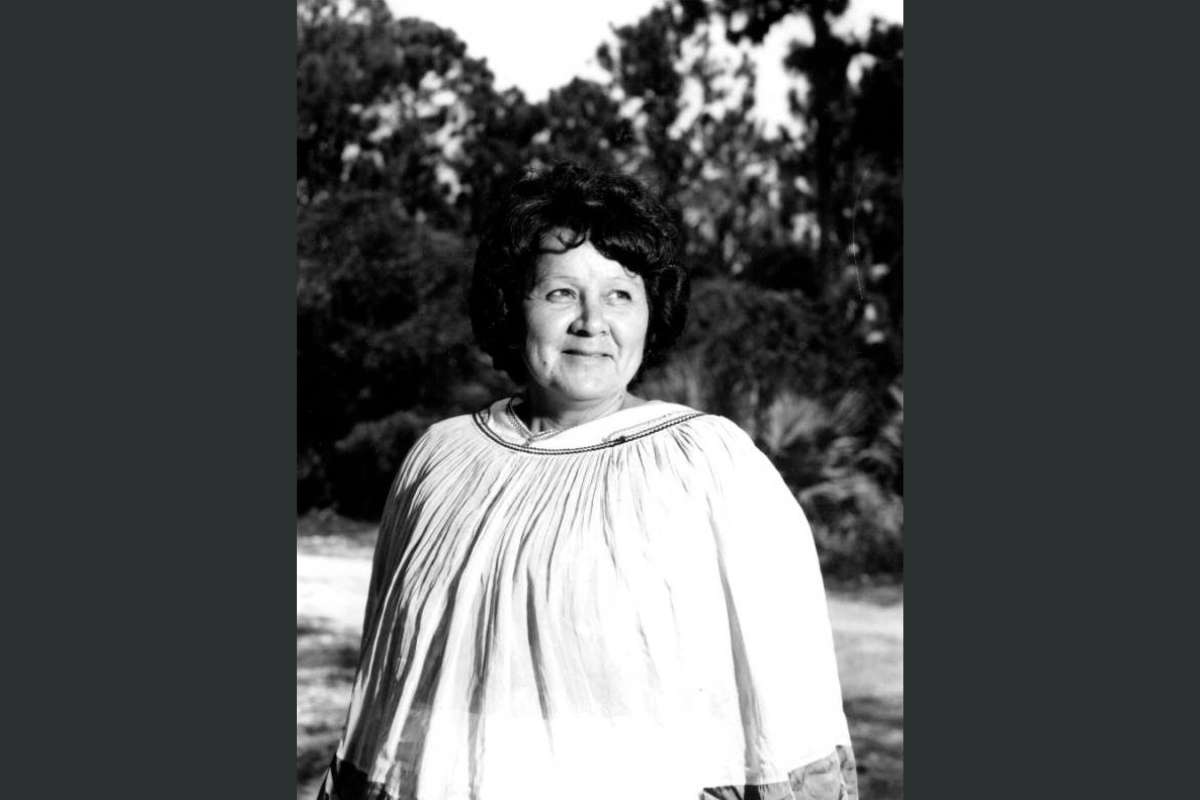
When healthcare and leadership were out of reach for many Native Americans, Betty Mae Tiger Jumper stepped forward. As the first Seminole woman to receive formal nursing training, she dedicated her life to improving healthcare, spreading awareness, and breaking barriers for generations to come. Her leadership later led her to become the chairperson of the Seminole Tribe of Florida, where she left a lasting legacy by bringing modern healthcare to a people with minimal access to medical services.
But who was the famous nurse behind these achievements? This article explores her life, her work, and her enduring legacy.
Who Is Betty Mae Tiger Jumper?
Early Life
Betty Mae Tiger was born on April 27, 1923, in Indiantown, Florida, to a Seminole mother and a father of European descent. Growing up in a Seminole camp, she was raised with traditional stories and a deep sense of cultural identity from an early age. Yet her mixed heritage brought challenges. Facing judgment and exclusion, her family made the difficult decision to relocate to the Dania Reservation in Broward County — an early lesson in perseverance that would shape her future.
Strong women surrounded Betty Mae from the start. Her grandmother, Mary Tiger, a Seminole midwife who had studied nursing in Oklahoma, inspired her curiosity and love of learning. However, education was hard for her to get — Seminole children in Florida were not allowed to attend local White or Black schools.
Determined to learn, Betty Mae convinced her family to send her, at age 14, to a Cherokee Indian boarding school in North Carolina. There, she learned English and, in 1945, became one of the first Seminoles to graduate high school.
Early Nursing Career
After graduating high school, Betty Mae completed her nursing training at the Kiowa Indian Hospital in Oklahoma. She then returned to Florida ready to put her education to work. She began her career as a nurse at Jackson Memorial Hospital and soon started traveling throughout Seminole settlements to provide much‑needed medical care and serving as a translator for patients who didn’t speak English.
The work was far from easy. Betty Mae didn’t just treat illnesses — she served as a vital bridge between the Seminole people’s traditional healing practices and modern Western medicine. She traveled for miles across swamps and remote settlements, bringing care to families who had never seen a nurse before. Along the way, she taught communities about hygiene, vaccinations, and preventive health, earning their trust one visit at a time.
While building her pioneering healthcare work, Betty Mae married Moses Jumper Sr., a larger-than-life figure in the Seminole community — an alligator wrestler, cattleman in Big Cypress, and one of only two Seminole World War II veterans. Together, they raised a family while supporting one another’s roles within the tribe.
Leadership
Betty Mae Jumper was a leader who didn’t wait for change — she created it. In 1967, she made history as the first female chairperson of the Seminole Tribe of Florida. Her victory, however, came with an unexpected challenge. When she took office, she discovered the tribal treasury was empty — not even the $35 it was supposed to contain was there.
Undeterred, she got to work. She pursued federal grants and loans, organized applications across reservations, and leased tribal lands to citrus growers. By the time Betty Mae Tiger Jumper left office in 1971, the tribe had more than $500,000 in the bank and a growing reputation as a strong, capable government.
She also helped found the United South and Eastern Tribes (USET) in 1968, a coalition of Southeastern tribes formed to support the health, well-being, and sovereignty of Tribal Nations. Today, USET remains one of the most influential tribal organizations in the U.S.
Tiger Jumper’s success caught national attention. In 1970, President Richard Nixon appointed her to the National Council on Indian Opportunity — one of only two Native women to serve on this federal advisory body — where she worked the next 16 years advocating for Seminole people and Native communities across the country.
Leadership was not the only way Tiger Jumper made her mark — she also used the power of words. She helped co-found a modest tribal newsletter, Seminole News. She envisioned a publication that would preserve Seminole voices, stories, and history for generations to come. By 1982, after serving as chairwoman and director of operations for Seminole Communications, she became editor-in-chief. She contributed countless articles that gave the Seminole people a lasting voice — one that could not be ignored or forgotten.
Later Life
Tiger Jumper continued speaking, writing, and advocating into her later years, encouraging young people to learn and celebrate their heritage. She has written three books, including her 2001 memoir, A Seminole Legend. She also received an honorary Doctorate of Humane Letters from Florida State University in recognition of her lifelong dedication to healthcare, education, and the preservation of Seminole culture.
By the time she passed away on January 14, 2011, at age 88, she had become the last surviving matriarch of the Seminole Snake clan and a revered tribal elder whose life bridged tradition and progress.
What Did Betty Mae Tiger Jumper Do? Continued Legacy
Over the course of her extraordinary life, Betty Mae Jumper received numerous prestigious honors that celebrated her impact as a nurse, leader, storyteller, and cultural advocate.
In 1994, she was inducted into the Florida Women’s Hall of Fame, a tribute to her trailblazing contributions to the state’s history and culture.
Her gift for storytelling and dedication to preserving Seminole voices also earned national recognition: In 1997, she received the first-ever Lifetime Achievement Award from the Native American Journalists Association. That same year, the Florida Commission on the Status of Women named her Woman of the Year, cementing her legacy as one of Florida’s most influential figures.
Her legacy lives on through institutions and honors that bear her name, such as the Betty Mae Jumper Medical Center, a testament to her lifelong commitment to health care and community wellness.
Get Inspired by Famous Nurses
Ready to discover more trailblazing nurses and their extraordinary contributions? Dive into these inspiring stories:
- Susie Walking Bear Yellowtail
- Mary Breckinridge
- Edith Cavell
- Harriet Tubman
- Linda Richards
- Madeleine Leininger
- Mabel Keaton Staupers
- Mary Seacole
- Dr. Ildaura Murillo-Rohde
- Susie King Taylor
Build an Impactful Nursing Career
Inspired by Betty Mae Tiger Jumper? Launch your own meaningful career. We help you find quality nursing roles that match your skills, your life, and your ambition — start exploring new career opportunities today.