7 Civil War Nurses Who Made History


More than 15,000 women left the safety of home to serve as Civil War nurses without training, pay, or fanfare. Determined to help, they walked miles over muddy roads, rode crowded trains toward battlefronts, and stepped into makeshift hospitals overflowing with wounded, dying soldiers. This was the daily reality for Clara Barton, Mary Ann Bickerdyke, Dorothea Dix, and other famous Civil War nurses whose dedication saved lives, transformed battlefield medicine, and shaped the nursing profession we know today.
Interested in the history of the Civil War and nursing? This article shares the inspiring tales of seven famous nurses who transformed healthcare during wartime.
7 Civil War Nurses
1. Harriet Tubman (1822–1913)

Image source: National Women’s History Museum
Nicknamed Moses, Harriet Tubman was a fearless freedom fighter, best known for guiding dozens of enslaved people to freedom along the Underground Railroad. With the outbreak of the Civil War in 1861, she was invited by the Massachusetts Governor John Andrew to work with the Union Army’s generals, where she played a key role in helping recruit Black soldiers, while caring for wounded troops and gathering valuable intelligence to support military operations.
During her service, Tubman worked in the coastal regions of South Carolina, supporting Union troops stationed near camps and plantations. She cared for injured soldiers, often relying on herbs and home remedies when medical supplies were scarce.
In addition to her nursing work, Tubman served as a scout and spy, using her deep knowledge of the Southern landscape and her trusted local contacts to gather intelligence on Confederate movements. Her most remarkable achievement came during the Combahee River Raid in 1863, when she helped lead Union gunboats through dangerous mine-filled waters, destroying vital Confederate supplies and freeing more than 700 enslaved people — one of the largest single liberations of the Civil War.
Despite her extraordinary contributions to the war effort, Tubman received no payment or recognition for her service. She had to fight for years after the war to receive compensation, and even then, it came only in the form of a small pension tied to her husband’s military service — remaining the only formal recognition she received for her remarkable work.
2. Dorothea Dix (1802–1887)
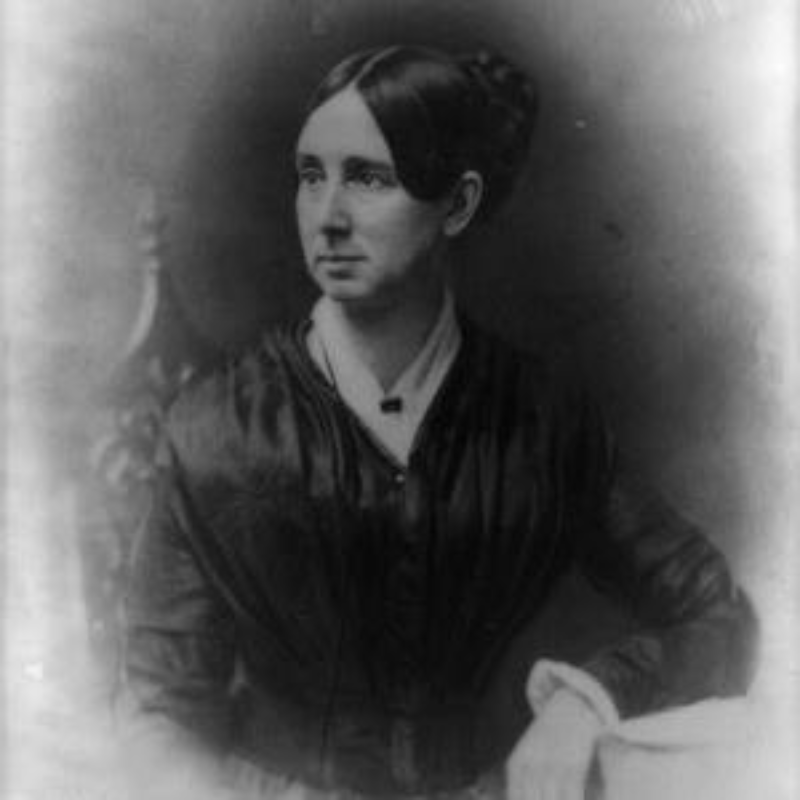
Image source: National Women’s History Museum
A determined reformer, Dorothea Dix entered the Civil War with a clear mission — to bring order, discipline, and dignity to military nursing. Long before the conflict, she had fought to improve conditions for people with mental illness, refusing to accept what was then considered the norm at that time — filthy cells, patient abuse, widespread dysentery — and instead pushing for humane treatment. When war broke out, she turned that same determination toward organizing medical care for Union soldiers.
Appointed Superintendent of Army Nurses — a title that carried authority but no salary — Dix took on the enormous task of recruiting and supervising thousands of women to serve in overcrowded battlefield hospitals. She carefully selected nurses over the age of 30 who were plain in appearance, disciplined, and wholly devoted to service. Though her standards were often questioned, they proved effective, turning disorganized wards into efficient centers of care.
Overall, her leadership not only transformed mental health and wartime medical care, but also elevated nursing into a respected profession defined by structure and order.
3. Clara Barton (1821–1912)
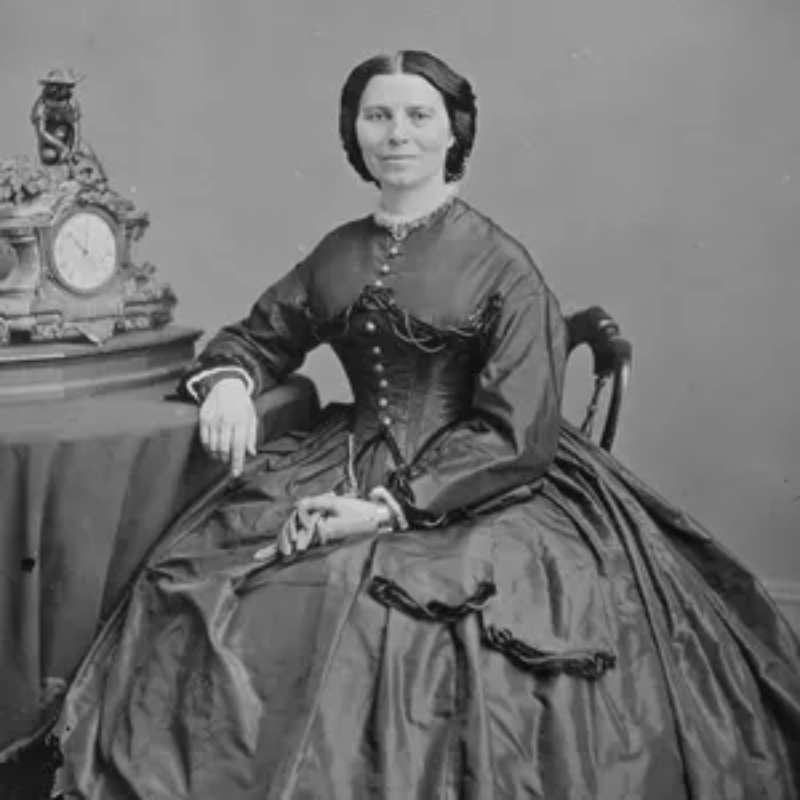
Image source: Britannica
Often called the Angel of the Battlefield, Clara Barton earned this title by delivering supplies, tending to wounded soldiers, and providing direct care on the frontlines — often right where battles had just taken place. Unlike many women who worked in hospitals far from combat, Barton insisted on bringing medical aid directly to soldiers in the field.
Another dangerous and challenging terrain she confronted was inequality. While working in Washington, DC, as a recording clerk at the U.S. Patent Office, Barton challenged the system that valued women’s work less than men’s. She demanded equal pay for equal work and secured compensation on par with her male colleagues, boldly stating, “I may sometimes be willing to teach for nothing, but if paid at all, I shall never do a man’s work for less than a man’s pay.”
Her hands-on leadership saved many lives during some of the Civil War’s bloodiest battles, including Antietam and Fredericksburg. After the Civil War, Barton dedicated herself to humanitarian work and later founded the American Red Cross, providing disaster relief in some of the most dangerous and devastated places in the world.
4. Lucy Higgs Nichols (1838–1915)

Image source: Indiana University
Born into chattel slavery, Lucy Higgs Nichols transformed her circumstances through courage and determination. After escaping enslavement with her young daughter, she joined Union forces and worked with the 23rd Indiana Volunteer Infantry Regiment. Without formal training or recognition, she joined the ranks of Civil War nurses, caring for wounded soldiers, preparing meals, washing uniforms, and stepping in wherever help was needed to keep the camp running.
Nichols served tirelessly throughout the war, tending to injured troops on and off the battlefield and earning deep respect from the soldiers she served. After the war, many of the veterans she had cared for advocated on her behalf, fighting for her to receive formal recognition and a pension for her service — which was initially denied for years due to her status as an enslaved woman during her service. Persistent advocacy from veterans eventually secured her pension, recognizing her vital contributions.
Her life stands as a powerful example of resilience, dedication, and service, highlighting the often-overlooked role of Black nurses who made history.
5. Walt Whitman (1819–1892)
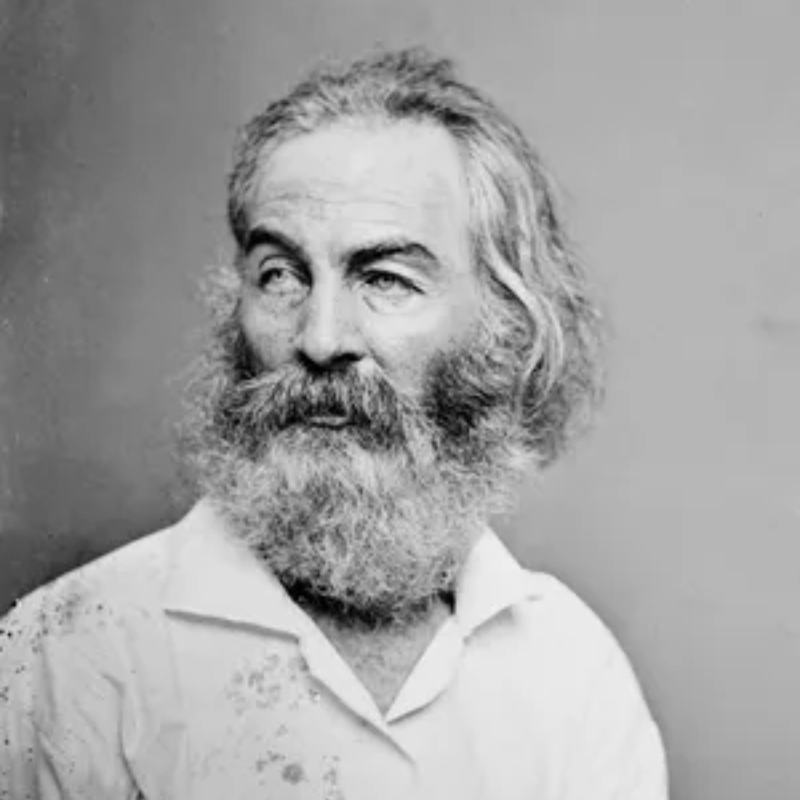
Image source: Britannica
One of America’s most well-known poets, Walt Whitman also served as a volunteer caregiver during the Civil War. When he received news that his brother had been injured in battle at Fredericksburg, Virginia, he left New York and rushed to be by his side. Witnessing the suffering of wounded soldiers deeply moved him — he stayed, caring for injured soldiers, reading to them, washing bandages, and stepping in to provide help anywhere he could.
Whitman quickly became a beloved figure to the soldiers, showing that acts of kindness could heal more than just physical wounds. His hospital experiences shaped much of his poetry, capturing the painful realities of war he witnessed while honoring the resilience of the men he served.
6. Susie King Taylor (1848–1912)

Image source: National Park Service
Civil War nurse Susie King Taylor overcame incredible odds to make a lasting impact. Born into slavery in Georgia and denied education, she learned to read in secret — a skill that would change her life.
After fleeing from enslavement to Union-held territory, she joined the 33rd United States Colored Infantry Regiment, where she was officially listed as a laundress. However, her role went far beyond that title. She served as a nurse, helping the sick and wounded soldiers anyway she could. And her ability to read put her in the unique position to teach newly freed people literacy, helping them prepare for an independent future they’ve been fighting for.
Taylor later became the first African-American woman to publish a memoir of her wartime experience, Reminiscences of My Life in Camp with the 33d United States Colored Troops, preserving an important firsthand account of what life was like for Black soldiers and women during the war.
7. Mary Ann Bickerdyke (1817–1901)

Image source: Britannica
Known as Mother, Mary Ann Bickerdyke earned a reputation for stepping into chaos and transforming it into organized care. Living in Galesburg, Illinois, when the Civil War began, she felt compelled to help soldiers in need. After learning about the severe shortage of medical supplies on the front lines, local citizens raised funds and chose Bickerdyke to deliver them to hospitals in Cairo, Illinois.
Upon arriving, she was shocked by the overcrowded tents, mud-covered floors, and lack of basic sanitation. She immediately set to work cleaning, organizing, and caring for the wounded — earning the nickname Mother Bickerdyke.
Her efforts quickly caught the attention of Union leaders, including General Ulysses S. Grant. From there, Bickerdyke followed troops through more than 19 battles, serving in hospitals from Fort Donelson to Vicksburg and beyond, doing everything she could to ensure proper nutrition, hygiene, and humane treatment for sick soldiers.
Her dedication was not gentle — it was relentless. She ignored ranks and disobeyed the orders when necessary, famously stating that her authority came “from Lord God Almighty.” For that, she was deeply respected by soldiers and commanders who recognized the vital role she played in saving numerous lives.
After the war, she continued advocating for veterans, assisting with pension claims, accessing medical care, and supporting soldiers who needed help transitioning back to civilian life.
What Did Nurses Do in the Civil War?
Back then, nursing wasn’t the organized profession we know today. Most nurses during the Civil War had little or no training when they entered crowded hospitals and battlefield camps. They learned by doing — treating injuries, cleaning infectious wounds, assisting surgeons during procedures — sometimes on day one on the job.
Their role extended beyond medical care. They handled every task necessary to keep hospitals running, cleaning filthy wards, cooking meals, washing clothes, and writing letters on behalf of injured soldiers. In many ways, they became the heartbeat of the hospitals, filling every gap to ensure patients get the care they need — laying the groundwork for modern nursing.
Civil War nurses changed how people saw the profession and women overall. At first, many leaders doubted women’s presence in military hospitals, and some male staff were not comfortable with them being there. However, through hard work and dedication, those same women proved their strength, competence, and value — opening doors for future generations in healthcare and other fields where they had once been excluded.
Explore the Lives of More Famous Nurses in History
- Betty Mae Tiger Jumper
- Edith Cavell
- Faye Wattleton
- Ildaura Murillo-Rohde
- Lillian Wald
- Linda Richards
- Mabel Keaton Staupers
- Ruby Bradley
Inspired by Civil War Nurses?
If you want to make your own impact in healthcare, start by finding the right opportunity. We connect nurses with meaningful jobs that align with their goals and vision. Sign up today to receive job alerts tailored to your interests.