Generational Learning Styles in Nursing: Overview and FAQ

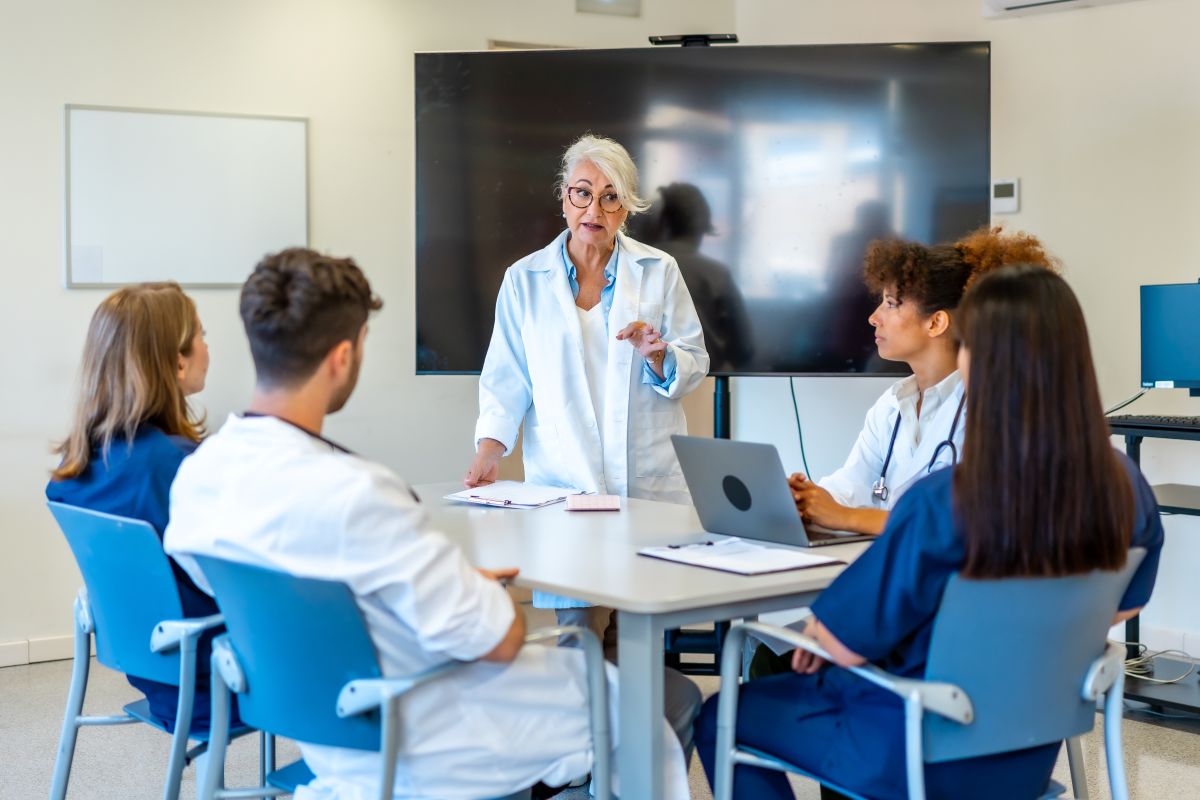
Nurses on social media have gone viral for playfully contrasting generational approaches to patient care. But the value of these differences extends far beyond entertainment. Understanding generational learning styles (or the educational preferences and needs shaped by shared, cohort experiences) can help healthcare leaders maximize the productivity of training initiatives while contributing to a more collaborative, supportive workplace environment.
If widening age diversity within your facility has you wondering how to best tailor orientation and ongoing education programs to match age-based learning requirements, this guide can help. Here you’ll find key insights from generational learning theory, answers to common questions about generationally unique education preferences, and recommendations for strengthening the knowledge and skillsets of staff across age-based divides.
The Different Generations Working in Healthcare Today
There are four generations of workers in healthcare settings today. Below is a quick overview of each. However, it’s worth noting that the values and perspectives listed are broad generalizations and would not apply to every individual in a respective generational category.
|
|
||
|---|---|---|
|
Baby Boomers |
Born between 1946-1964 |
Sometimes called Boomers, they were raised in post-war conditions. They’re often considered very work- (or productivity-) minded and make up 25% of the total workforce. |
|
Generation X |
Born between 1965-1980 |
Shortened to Gen X, they were raised before widespread digitization and value independence. They make up 33% of the total workforce. |
|
Generation Y |
Born between 1981-1996 |
Commonly known as Millennials, they were raised alongside advancing technologies and are often flexible and growth oriented. They account for 35% of the total workforce. |
|
Generation Z |
Born between 1997-2010 |
Referred to as Gen Z, they grew up alongside cell phones and social media. They’re largely communicative and collaborative, making up 5% of today’s total workforce. |
It’s additionally important to note that this table doesn’t include the oldest or youngest living generations. The Traditionalists, born between 1925-1945, are largely retired and no longer participating in the workforce, healthcare or otherwise. The youngest living generation is now Generation Alpha. Born after 2010, Generation Alpha learning styles are the focus of many school-based programs. As they age into healthcare volunteer opportunities and unlicensed positions, their preferences may become increasingly significant to a facility’s educational considerations.
Learning Styles by Generation: Overview
The learning preferences associated with each generation are typically shaped by shared social, political, and economic formative experiences alongside associations with technology. Generational cohort theory identifies and explains common patterns, but may not apply to everyone and shouldn’t be used to replace (or ignore) individual preferences.
Baby Boomer Learning Styles
Boomers’ generational learning styles largely revolve around a hierarchal, teacher-centered approach. Known for valuing hard work and perseverance, staff members who fall within this generation may appreciate (and even prefer) learning experiences that challenge them. Because they grew up without digital interfacing, they often report more comfort with face-to-face interactions, experiencing discomfort and even anxiety with online (or computer-based) learning compared to other generations.
Takeaways:
- This generation may prefer in-person instruction, with less emphasis on online or digital modalities of instruction.
- They often benefit from a designated instructor or teacher, with a clearly defined approach to coursework.
Generation X Learning Styles
Gen X is also called the latchkey children generation, and in conjunction with the lack of instantaneous connection (the internet and cell phones were yet to be invented), they were raised with a figure it out mentality. This translated to a generation that often prefers working and learning alone, eschewing group projects and preferring problem-solving approaches rather than directed, step-by-step instruction.
Takeaways:
- Gen Xers often prefer individual learning activities and may even exhibit skepticism within a teacher-based learning model.
- Flexibility and practicality are key values, and many in this cohort may prefer self-paced or blended educational formats.
Generation Y Learning Styles
Learning styles of Millennial generation nurses tend to involve group dynamics more so than older generations. This generation also tends to appreciate blending professional and personal goals, making education opportunities that engage them at a personal level more rewarding.
Takeaways:
- Multitasking and working in groups may engage this generation better than singular lessons or solo education experiences.
- Mentorship opportunities could be very meaningful to this generation because they blend personal wellbeing with professional growth.
Generation Z Learning Styles
This generation is known for being comfortable with virtual collaboration and connectivity while struggling with in-person or face-to-face interactions. They tend to prefer digital, and even play-based learning because of the common use of computer games throughout their early, formative learning experiences.
Takeaways:
- Digital real-world simulations may appeal to the primary aspects of Gen Z’s learning preferences by mirroring role-based play, while still using preferred learning modalities.
- Group work is preferred, but often only when the connection is virtual.
Generational Learning Styles in the Workplace: FAQ
Now that you have a general sense of each age group’s learning preferences and strengths, let’s answer some common questions about educating a multigenerational healthcare workforce.
Are these separate learning styles backed by research?
The answer to this question is developing as research continues. Current scientific publications are contradictory. Some conclude that evidence exists that supports a generationally specific learning approach, while others consider the theory to be a myth and argue that it perpetuates damaging overgeneralizations.
For now, the best answer is that research is ongoing and facilities applying these theories should follow up on staff feedback after each educational opportunity to ensure that it’s appropriately targeting their teams’ needs.
Is there any overlap between each generation’s learning style?
Absolutely. Appreciation for clear educational goals and expectations in addition to a well-structured program are unanimous across age groups. Additional overlaps include the following:
- Millennials and Gen Zers both tend to prefer group work.
- Problem-based and hands-on learning appeals to multigenerational strengths.
- Positive leadership and opportunities for recognition are valued across age-groups.
What are some real-world generational learning styles examples?
If a facility were rolling out a new electronic health record (EHR) system, generationally minded learning opportunities may look like this:
|
|
|
|---|---|
|
Baby Boomers: |
Receive printed handouts that walk them through new charting processes before heading to a teacher-led seminar on the new system. |
|
Gen Xers: |
Review printed information on the new system before engaging in trial-by-error learning through the simulated EHR training environment. |
|
Millennials: |
Attend small group, hands-on instructional sessions where 2-3 nurses are assigned to a computer and work together to accomplish assigned tasks in the simulated EHR training space. |
|
Gen Zers: |
Watch short, informational clips before engaging in the training environment with a help line available 24/7 through a digital chat board. |
How does understanding different generational learning styles’ psychology benefit facilities?
The benefit doesn’t come from forcing certain age groups to engage in theory-driven learning modalities. The benefit comes from recognizing that people learn differently, and some of those educational preferences may be driven by age and their associated life experiences.
By reviewing these generational preferences, facility leaders are reminded that materials, resources, and formats of educational initiatives should be as varied as their workforce. This can help make learning more accessible and strengthen your staff members’ knowledge and skillsets.
How can healthcare training programs best meet multigenerational needs?
Providing for multigenerational preferences is often aligned with meeting varying individual needs. It follows some very practical strategies for achieving productivity across different learning styles (no matter the source of variances). A successful multigenerational educational program should:
- Clarify the structure and goals of any education event.
- Offer a blended approach that’s multimodal.
- Make the most of face-to-face learning via mentorship and familiar class leadership.
- Maximize opportunities for generationally aligned preferences (like simulation and case-based learning).
- Utilize feedback to review and revise learning access points and strategies.
Want to Ensure That Your Training Resources Maximize Productivity?
Understanding generational learning styles,characteristics, and needs is one way to make the most of your ongoing education programs. To further strengthen your workforce’s knowledge and skills, our facility guides and practice recommendations can help you create targeted learning opportunities that match the changing needs of both your patients and staff.