A Nurse’s Guide to the Neonatal Infant Pain Scale

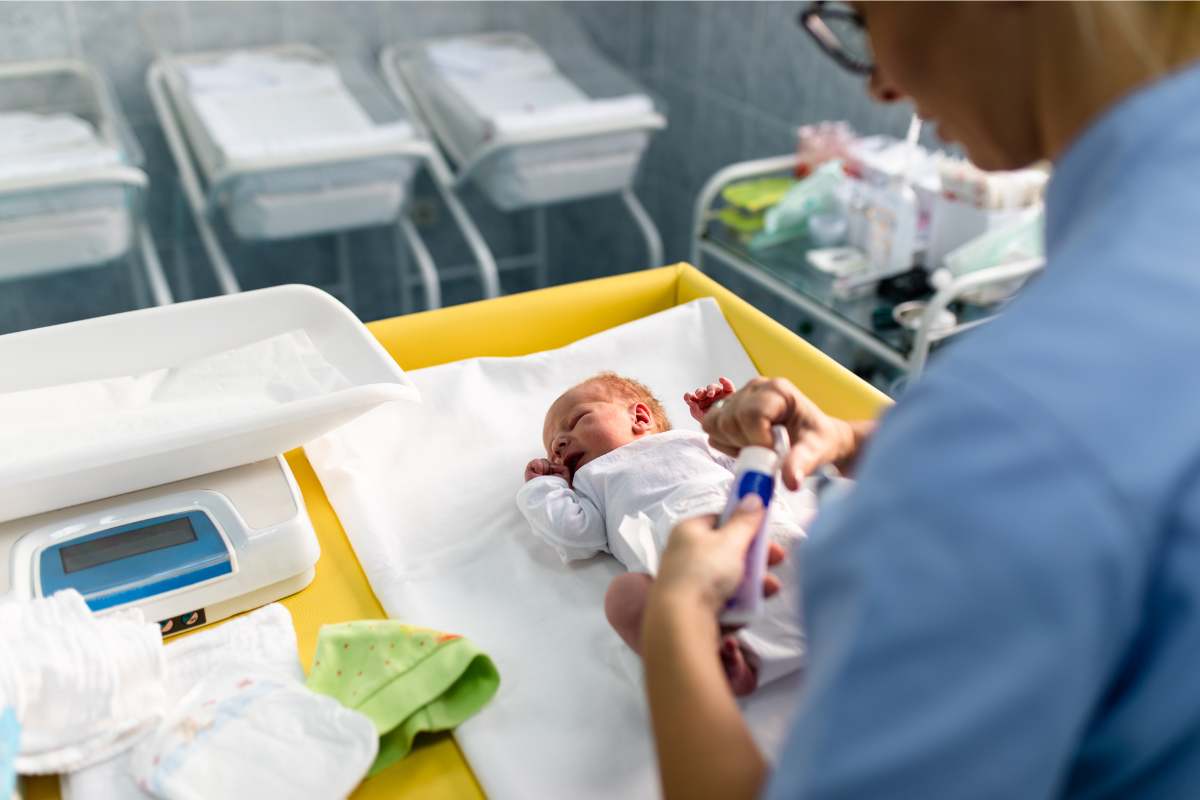
The Neonatal Infant Pain Scale (NIPS) is a fast and reliable tool that allows neonatal nurses to assess pain in newborns — our tiniest patients who can’t yet tell us when or where it hurts. By observing subtle cues like facial expressions, crying, and body movements, NIPS turns these tiny clues into a clear, measurable score, helping you recognize discomfort early and provide timely care. In this article, you’ll discover exactly what the neonate infant pain scale is, how to use it, and how to interpret the results with confidence.
What Is the Neonatal Infant Pain Scale?
NIPS is a behavioral tool used in the assessment process by healthcare providers to measure pain in infants up to 1 year old, examining six critical parameters:
- Facial expression
- Cry
- Breathing patterns
- Arm movement
- Leg movement
- State of arousal
To apply the NIPS, watch the infant for one minute and rate each of the six indicators as 0 or 1, with the exception of crying, which can be rated 0, 1, or 2. Summing these scores gives a total between 0 and 7.
Assessing the Six Parameters of the Newborn Infant Pain Scale
How do you measure pain in someone who can’t speak or point to where it hurts? In newborns, the answer lies in subtle gestures, quiet sounds, and brief expressions. The NIPS helps turn these clues into actionable information. The chart that follows shows exactly what to observe and how to translate it into a score:
| Parameters | What to Look For | Scoring |
|---|---|---|
| Facial expression | Observe the baby’s face for tension or relaxation. Look for brow furrowing, a tightly closed mouth, or grimacing. | 0 = Relaxed/neutral
1 = Tense, grimace, brow furrowed, mouth tightly closed |
| Cry | Listen for the quality and intensity of the baby’s cry. | 0 = No cry
1 = Mild cry 2 = Vigorous, loud, or continuous cry |
| Breathing patterns | Watch the infant’s breathing for changes in rhythm or effort, such as irregular, fast, shallow, or labored breaths; chest indrawing; gagging; or brief pauses. | 0 = Normal, regular breathing
1 = Irregular, shallow, or labored breathing |
| Arm movement | Observe the arms for tension, flexion, or jerky movements. | 0 = Arms relaxed
1 = Flexed, tense, or jerky movements |
| Leg movement | Watch the legs for tension, flexion, or sudden jerky movements. | 0 = Legs relaxed
1 = Flexed, tense, or jerky movements |
| State of arousal | Assess overall alertness and responsiveness. Look for fussiness, restlessness, or agitation. | 0 = Quietly awake or sleeping peacefully
1 = Restless, agitated, difficult to soothe |
Neonatal Infant Pain Scale Scoring
Once you’ve observed and scored each of the six parameters, adding the points gives a total NIPS score ranging from 0 to 7. This total helps you evaluate the level of pain and guide appropriate care:
| Scores | Description | Intervention |
|---|---|---|
| 0–2 | Mild to no pain. | The infant looks relaxed or only a little unsettled. Regular monitoring is usually sufficient, but simple comfort measures like swaddling or skin-to-skin contact can be beneficial. |
| 3–4 | Mild to moderate pain | Signs of discomfort are clear. This is your cue to step in — try repositioning, offering a pacifier, or using sucrose for procedural pain. Keep observing to make sure the infant’s comfort improves. |
| 5–7 | Moderate to severe pain | High scores mean the infant is in significant pain. Quick, decisive action is required — this may include pharmacological interventions along with comforting measures. |
More Neonatal Infant Pain Scales
While NIPS is a reliable tool for everyday pain assessment, there are several other pain scales that can be applicable in particular situations — especially for preterm babies, post-surgical infants, or those in intensive care. Let’s take a closer look at these alternatives and see when to use each one.
- Premature Infant Pain Profile (PIPP) is designed for preterm infants, combining behavioral cues like eye squeeze and nasolabial furrow with physiological signs such as heart rate and oxygen levels. Scores are adjusted for gestational age, making it especially useful for detecting subtle pain responses in preterm babies.
- Face, Legs, Activity, Cry, and Consolability (FLACC) pain scale is one of the most widely used assessment tools, with 5 categories to produce a total score between 0 and 10. It’s been successfully applied in acute and postoperative care settings among infants and pediatric patients.
- Riley Infant Pain Scale (RIPS) focuses on behavioral and physiological responses as well as responses to touch in infants, with studies supporting its effectiveness.
- Neonatal Pain, Agitation, and Sedation Scale (NPASS) pain scale is a well-validated tool used in neonatal intensive care units (NICUs), especially for critically ill or ventilated patients. It not only measures pain and agitation, but also sedation, making it uniquely useful for newborns who need both comfort and careful sedation.
- Neonatal Facial Coding System (NFCS) focuses exclusively on facial expressions, which are highly reliable indicators of pain. It analyzes changes in the brow, eyes, nose, and mouth to capture subtle pain cues in neonates.
- CRIES pain scale is used for infants younger than 38 weeks, and is often used to assess postoperative pain. The CRIES scale measures five indicators: crying, oxygen need, vital signs, facial expression, and sleep state. Total scores range from 0 to 10. A score over 4 calls for further evaluation, while 6 or higher signals the need for analgesia.
- COMFORT scale is often used in intensive care to assess pain in critically ill infants. It combines behavioral indicators (alertness, calmness, movements) with physiological parameters (heart rate, muscle tone, blood pressure) to guide ongoing pain management.
Neonatal Infant Pain Scale: FAQ
How accurate is NIPS?
A cross-sectional study was conducted with 30 hospitalized neonates using the NIPS. The NIPS tool was found to be highly accurate, consistent, and easy to use, making it a trustworthy option for assessing pain in newborns.
What is the best pain scale for NICU babies?
There is no universal gold standard for neonatal pain assessment. NICU nurses use a variety of scales — like NIPS, PIPP, CRIES, and NPASS — choosing the one best suited to the infant’s clinical situation and pain type.
How much pain do newborns feel?
Newborns do feel pain — it’s not just a reflex. Their behavioral and physiological responses are real, and brain imaging shows that painful stimuli activate their brains much like in adults. Since infants can’t tell us how they feel, observational tools like NIPS are essential, though ongoing refinement of these scales is important.
How long does it take to perform a NIPS assessment?
A NIPS assessment is quick, usually taking about one minute of observation per infant, making it practical for routine monitoring in acute care settings.
Is NIPS suitable for preterm infants?
It can be used for preterm infants, but some studies suggest that preterm babies may show subtler behavioral cues. In such cases, PIPP may complement NIPS for more sensitive assessment.
What is the appropriate pain scale for infants under 2 months?
Clinicians use different pain scales depending on a baby’s age, condition, and type of pain. The NIPS is commonly used for procedural and acute pain, while NPASS is preferred for critically ill or ventilated newborns because it assesses both pain and sedation. The COMFORT scale is often used in intensive care settings. Ultimately, the choice of pain scale depends on the needs of each patient.
Your Next Healthcare Opportunity Is Waiting
You’ve learned how to use the neonatal infant pain scale — now it’s time to find opportunities that align with your skills and goals. IntelyCare connects you with quality nursing jobs that match your talents and schedule. Sign up for personalized job matching today.
.