Margaret Newman: Nursing Theory Overview


Nursing theorist Margaret Newman challenged the conventional view of disease as something to be fixed. Instead, she saw illness as an invitation for growth, transformation, and deeper self-awareness.
In her groundbreaking theory, Newman proposed that health and illness are interconnected expressions of the same life process, much like two sides of a coin. She believed that every life experience, even a painful one, contributes to the expansion of consciousness, and the nurse’s role is to facilitate patient evolution through these challenges.
So, what is Newman’s theory all about, and why does it still matter today? In this article, we’ll unpack its key ideas and take a closer look at the famous nurse behind it.
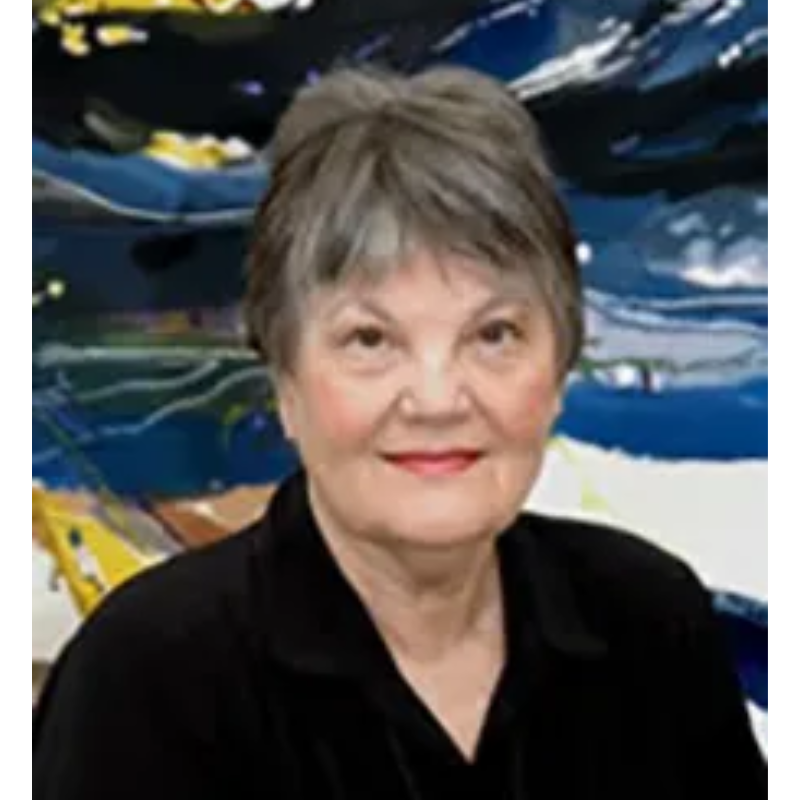
Margaret Newman. Source: International Academy of Nursing Editors
Margaret Newman Theory: What Is It?
Newman’s theory of Health as Expanding Consciousness (HEC) is a grand nursing theory first introduced in the 1970s and refined over the following decades. At its core, the theory challenges traditional medical models that separate health and illness. Instead, Newman proposed that health and disease are part of the same process — both expressions of an individual’s evolving consciousness.
She suggested that certain antecedents often precede expanded consciousness, including disease, chaos, binding, centering, and choice points. In essence, these challenges serve as catalysts that inspire individuals to seek new possibilities and become open to transformation.
Recovery, in this context, can be viewed as a process of expanding consciousness, in which a person searches for meaning and attains a higher level of awareness. The states associated with this phase include self-transcendence, unbinding, decentering, freedom, pattern recognition, and death.
The basic assumptions of the theory are as follows:
- Health is an evolving unitary pattern of the whole that includes both wellness and illness.
- Consciousness is the informational capacity of the whole system, expressed through its changing pattern.
- Pattern describes the ongoing relationship between the person and their environment, characterized by meaning.
Margaret Newman Biography: The Human Behind the Theory
Born on October 10, 1933, Margaret Ann Newman’s journey into nursing began unexpectedly in her early twenties. During this time, she cared for her mother, who had amyotrophic lateral sclerosis (ALS), a progressive and fatal neurological disease that gradually diminishes the movement of all muscles in the body except those of the eyes. This experience was transformative for Newman, who later wrote:
“I learned that my mother, though physically incapacitated, was a whole person, just like anybody else. I came to know her and to love her in a way I probably never would have taken the time to experience had she not been physically dependent. The five years I spent with her before she died were difficult, tiring, restrictive in some ways, but intense, loving, and expanding in other ways.”
Through caring for her mother, Newman realized that illness limits life but does not define it — and that caregiving itself can be transformative. This experience inspired her nursing theory.
Next, she decided to pursue nursing education. After earning her bachelor’s degree, she pursued a master’s degree at the University of California, San Francisco. After graduating in 1964, she worked as director of nursing at a clinical research center and as an assistant professor at the University of Tennessee.
She spent the next decade earning her Ph.D. and teaching at New York University, where she began developing her ideas on nursing theory. One of her most influential teachers and colleagues at the time was Martha Rogers — a nursing theorist who developed the Science of Unitary Human Beings theory.
In 1977, Newman started teaching graduate students at Penn State. In 1978, she was invited to speak at a conference in New York, where she shared her ideas on health as an expanded consciousness for the first time.
Dr. Margaret A. Newman was a Fellow of the American Academy of Nursing and honored as an outstanding alumna by both the University of Tennessee and New York University. She received many awards and recognitions, including the Founders Award for Excellence in Nursing Research from Sigma Theta Tau International. Dr. Newman passed away on December 18, 2018.
Margaret Newman Theory Summary
1. Nurses’ Role
Nursing under Newman’s view is a caring partnership. She believed that the nurse’s purpose is to help patients find meaning in their experiences — specifically in times of illness or hardship. Unlike other nursing models that view a patient as a receiver and a nurse as a deliverer of healthcare services, Newman emphasized the mutual nature of this relationship. Through this shared process, both the patient and the nurse can experience personal growth and expanded consciousness.
2. View on Illness
According to Newman, illness isn’t something to be fixed, but rather a meaningful event that can lead to growth and transformation. In this way, the disease serves as an opportunity for individuals to enhance their consciousness, explore their identity, and transform.
The nurse’s role, therefore, is not to silence the illness or simply manage symptoms, but to look deeper and ask, What is this experience revealing? Through greater self-awareness, people can reach higher levels of consciousness and, at times, even heal the physical body.
For example, imagine you’re caring for a patient with hypertension. While treating symptoms, like headache and blurred vision is certainly important, true healing begins with self-reflection and lifestyle change. In this sense, the disease becomes an invitation for transformation — if a patient does the inner and outer work, the experience can ultimately lead to an even greater sense of health and well-being than before the diagnosis.
3. Patterns
Every person has a unique life pattern that reflects their interactions, emotions, and experiences. Recognizing these patterns helps nurses and patients understand the meaning behind illness or life challenges.
When a personal pattern shows up as disease, it’s often the body’s first signal before any physical or structural changes appear. Simply treating or removing the illness doesn’t change the underlying pattern. If illness is how that pattern expresses itself, then the illness itself becomes part of health — since, in Newman’s view, health is the expansion of consciousness.
For example, imagine a patient with chronic heart disease who keeps returning to the hospital. At first, it might look like a typical case of recurring illness. But Newman’s theory asks, What’s the pattern here?
Through conversation, the nurse might discover that the patient feels lonely after her spouse’s death and tends to get sick around the holidays — times when she misses her partner most and copes with the pain by binge eating. Understanding this pattern places the nurse in a better position to truly help the patient.
3. Attributes of Health as Expanding Consciousness
Newman’s theory outlines several key attributes that highlight the dynamic and interconnected nature of human existence. Together, these form the structural foundation of expanding consciousness and provide a framework for nurses to better understand their patients:
| Attribute | Description |
|---|---|
| Movement | Refers to an individual’s ability to develop self-awareness, leading to deeper self-recognition and an expanded state of consciousness. Recognizing how patients move — physically, emotionally, and developmentally — can help nurses identify changes in awareness or patterns of growth. |
| Time | Defined as a product of movement and a measure of consciousness. Newman distinguishes between objective time (chronological or clock time) and subjective time, which reflects a person’s inner experience of time. Nurses can observe how patients perceive and express time to gain insight into their inner experiences. |
| Space | Represents the subjective field through which consciousness is experienced and expressed. Each person’s perception of space is unique and shaped by their cognitive and emotional experiences. Understanding a patient’s sense of space — such as their comfort with proximity, personal boundaries, or environment — can reveal valuable clues about their state of consciousness. |
| Energy | Represents the fundamental life force or field configuration that constitutes an individual’s being. The person is perceived as a unique pattern of energy continuously interacting with the environment. Although this energy isn’t always directly observable, its manifestations can be seen through patterns of physiological and behavioral change — for example, changes in vital signs such as blood pressure, heart rate, or body temperature. |
| Rhythm | Refers to the patterned flow and synchrony of energy that reflects an individual’s state of consciousness and relational harmony. It’s expressed through observable human behaviors such as voice tone, breathing patterns, gestures, and facial expressions. |
Newman’s Theory Application
Applying Newman’s theory means looking for deeper meaning in what a patient is going through. In practice, this means nurses listen deeply, look for patterns, and create space for awareness and growth to unfold — for both the patient and themselves.
1. Recognize the Patient’s Patterns
When working with a patient, look for patterns and aim to understand the wholeness of their life story rather than focusing only on separate symptoms. This involves listening deeply, observing the patient’s relationships, noticing recurring themes, and recognizing how their experiences connect and influence one another.
Newman described pattern recognition as a process of illumination — when both the nurse and the patient begin to see the whole picture, new meanings and possibilities emerge. This moment of recognition itself can shift consciousness and open pathways for healing that go beyond physical recovery.
2. Engage in Authentic Dialogue
Develop reflective practices to be fully present, intuitive, and empathetic in your interactions with patients. By listening deeply and exploring life events together, the nurse and patient enter the mutual process of growth that expands consciousness.
3. Apply HEC Praxis
Newman called her approach HEC Praxis: The Process of Pattern Recognition. Praxis means integrating theory, research, and practice — in this case, applying research principles to real-life nursing interactions without the need to formally record data.
The process typically follows these steps:
- The nurse and patient (and/or family) begin a mutual inquiry, establishing a collaborative relationship.
- The patient is invited to share meaningful life events and relationships. After this initial meeting, the nurse organizes the narrative into a simple diagram.
- The diagram is shared with the patient, and the conversation continues freely, exploring insights and connections.
- When the patient recognizes their own patterns, the partnership naturally concludes.
This process usually takes at least three meetings. The aim isn’t to collect data — it’s to engage authentically and support personal growth.
4. Educate Patients
According to the Margaret Newman metaparadigm, health and illness aren’t opposites but coexisting states within the same dynamic process. This perspective can be especially helpful for patients living with chronic illnesses. Instead of seeing pain or other symptoms as enemies, it can help them recognize these experiences as meaningful signals, understand patterns in their life, and find opportunities for growth and self-awareness.
Teaching patients this perspective on health can help them move beyond personal limitations, find meaning in their pain, and, sometimes, even transform it.
Check Out More Nursing Theories
Interested in learning more about famous nursing theories and how you can apply them today in your practice? Here’s a look at more renowned nurses and their contributions:
- Dorothea Orem
- Faye Abdellah
- Florence Nightingale
- Jean Watson
- Madeleine Leininger
- Patricia Benner
- Virginia Henderson
Want to Expand Your Consciousness and Nursing Career?
Follow in the footsteps of Margaret Newman — make a real difference in patients’ lives while advancing your own career. IntelyCare connects you with nursing opportunities that match your values, career goals, and desired lifestyle. Start receiving tailored job opportunities today.